


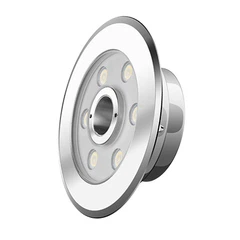


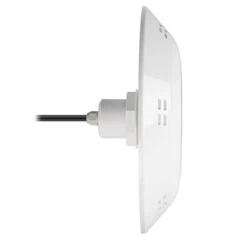


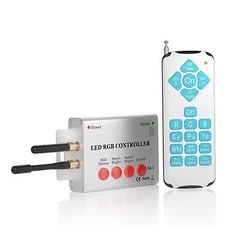
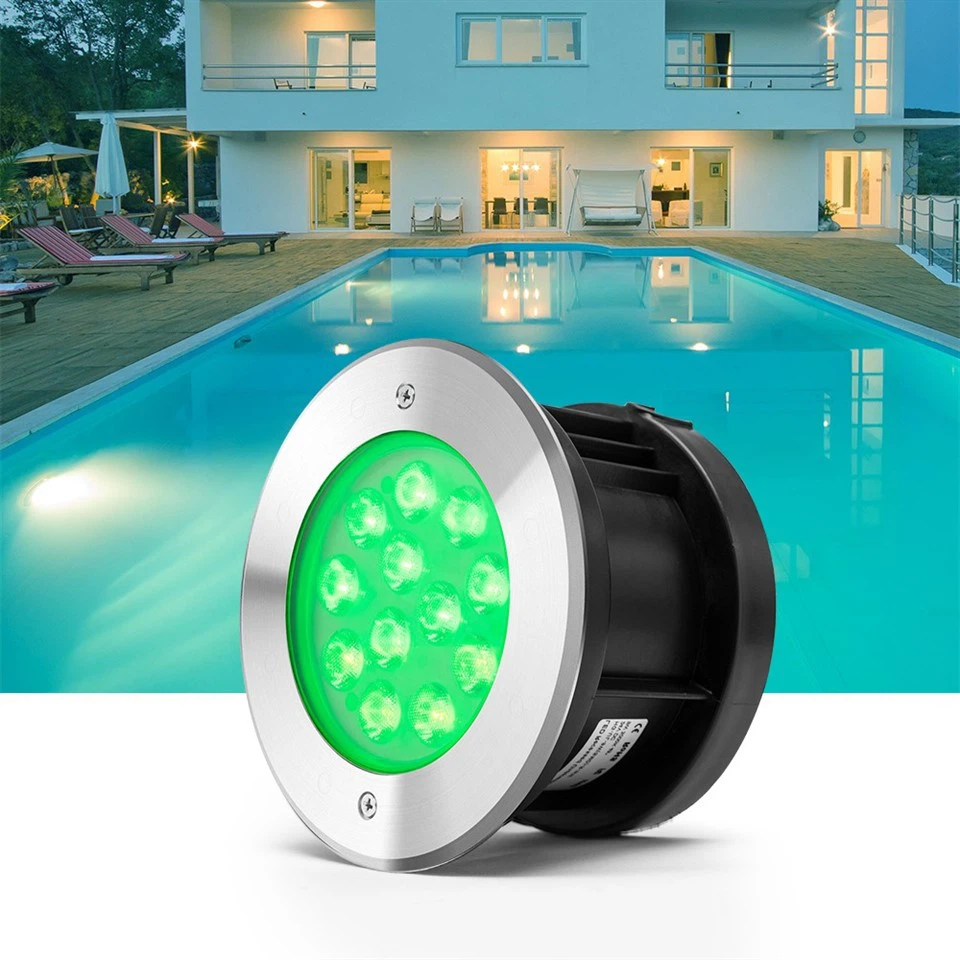


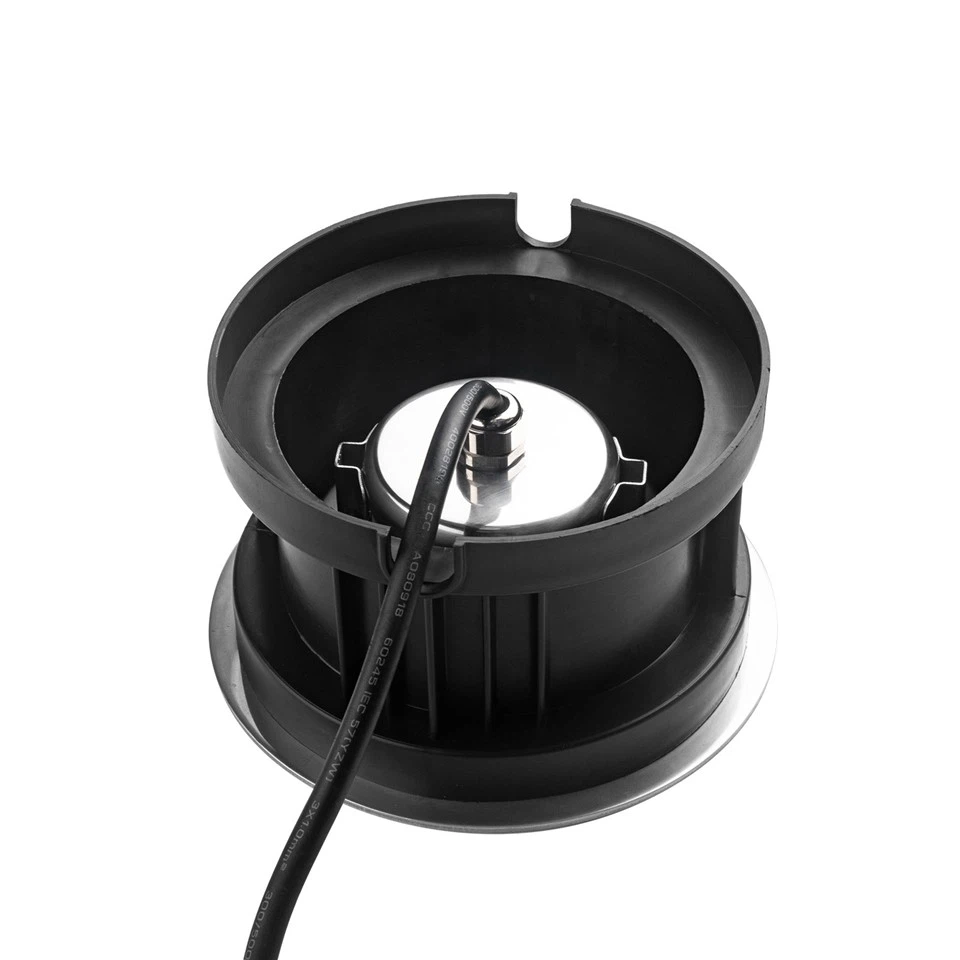

Shenzhen Heguang Lighting Co., Ltd. is well-known as one of the most reliable manufacturers and suppliers of led lights for underwater in China. If you're going to wholesale high quality led lights for underwater made in China, welcome to get free sample from our factory. We also accept customized orders.
led lights for underwater Features:
1. It must meet an IP68 rating, meaning it can be continuously submerged at a specified depth without damage. Some products even reach IP69, resisting the impact of high-pressure water flow.
2. The housing is typically made of 316L stainless steel (superior to the common 304 stainless steel) or corrosion-resistant engineering plastics to resist corrosion from chloride ions in swimming pools, salt in seawater, and other chemicals.
3. Professional underwater lights use a safe extra-low voltage power supply of 12V or 24V. Even in the event of accidental wiring damage, it minimizes the risk of electric shock, ensuring personal safety.
4. The light body has a robust structure, and the surface glass (IK10 tempered glass) has high strength, capable of withstanding certain water pressure and potential physical impacts.


led lights for underwater Parameters:
|
Model |
HG-UL-9W-SMD-R-RGB-D |
|||
|
Electrical |
Voltage |
DC24V |
||
|
Current |
400ma |
|||
|
Wattage |
9±1W |
|||
|
Optical |
LED chip |
SMD3535RGB(3 in 1)1WLED |
||
|
LED (PCS) |
12PCS |
|||
|
Wave length |
R:620-630nm |
G:515-525nm |
B:460-470nm |
|
|
LUMEN |
380LM±10% |
|||
Structure size:

Company Profile:


Frequently Asked Questions about LED Underwater Lights
1. Selection and Purchase
Q1: What are the main advantages of LED underwater lights compared to traditional underwater lights?
High Energy Efficiency: Up to 80% more energy efficient than halogen or incandescent bulbs.
Long Lifespan: Typically lasts 30,000 to 50,000 hours, requiring no replacement for many years.
Rich Colors: RGB LEDs can create millions of colors and dynamic effects (gradients, flashing, music synchronization).
High Safety: Typically powered by safe ultra-low voltage (12V or 24V).
Environmentally Friendly: Free of harmful substances such as mercury.
Low Heat Generation: The lamp body surface does not overheat, making it safer.
Q2: What is an IP rating? What rating is required for underwater lights?
IP rating is an international standard for measuring the dust and water resistance of electrical equipment.
First digit (dust resistance): 6 is the highest level, indicating complete dust resistance.
Second digit (water resistance): 8 or 9K is key for underwater lights.
IP68: Indicates that it can be continuously submerged underwater for extended periods (manufacturers usually specify the depth and time, such as "2 meters underwater, continuous use"). This is standard for swimming pools and fish ponds.
IP69: In addition to being immersion-proof, it can withstand the impact of high-temperature, high-pressure water flow.
Conclusion: Underwater lights intended for permanent installation must be IP68 rated.
Q3: Should I choose a 12V underwater light or one directly connected to AC mains power (120V/240V)?
12V or 24V low-voltage LED underwater lights are strongly recommended.
Safety First: Even in the event of an accidental electrical leak during installation or use, low-voltage electricity will not cause fatal danger, especially for home pools, jacuzzis, and fish ponds.
Ease of Installation: In many regions, there are fewer regulations governing the installation of low-voltage lighting fixtures.
High-voltage lights are typically used in large commercial projects and must be installed strictly according to specifications by a professional electrician.
Q4: How do I choose a sufficiently bright light for my pool or water feature?
Brightness depends on the size and depth of the water body, the color of the pool walls, and the desired atmosphere.
Small Jacuzzi/Small Fish Pond: 1-2 lights, 10-20 watts (or equivalent lumens) each, are usually sufficient.
Standard Residential Swimming Pool: A general rule of thumb is 80-120 lumens per square meter of water surface area. For example, a 10x5 meter pool might require 2-3 lights, with a total luminous flux of 4000-6000 lumens.
Dark Pool Walls or Deep Water: Absorb more light, therefore requiring higher brightness.
Best Advice: Provide your pool dimensions and renderings to a professional supplier; they can provide the most accurate solutions.
Q5: What are the differences between "cool white," "warm white," and "RGB"? How should I choose?
Cool White: The light has a bluish tint, is very bright, and has a modern feel. Suitable for scenarios where lighting is the primary focus.
Warm White: The light has a yellowish tint, is warm and comfortable, and can create a relaxing atmosphere. Suitable for patio water features and fish ponds.
RGB: A combination of red, green, and blue, capable of creating any color. Suitable for parties, festivals, or scenarios where you want to change the atmosphere. RGBW: Based on RGB, it adds a pure white LED, allowing you to enjoy both vibrant colors and pure white lighting, making it a better choice.