






Are LED pool lights affected by water pressure?
As a supplier of LED pool lights, I often encounter questions from customers about the performance and durability of our products, especially in relation to water pressure. It's a crucial aspect to consider, as pools can vary significantly in depth, and different depths mean different levels of water pressure. In this blog, I'll delve into the science behind how water pressure affects LED pool lights and share insights based on our experiences and industry knowledge.
Understanding Water Pressure in Pools
Water pressure increases with depth. The basic principle is that the deeper you go in a pool, the more water there is above you, and this additional water exerts more force. The formula to calculate water pressure is (P = \rho gh), where (P) is the pressure, (\rho) is the density of water, (g) is the acceleration due to gravity, and (h) is the depth. For every foot of depth in fresh water, the pressure increases by approximately 0.433 pounds per square inch (psi). In saltwater, the pressure is slightly higher because saltwater is denser than fresh water.
This means that in a shallow pool, say 3 - 4 feet deep, the water pressure at the bottom is relatively low. However, in a deep diving pool that can be 10 - 12 feet deep or more, the water pressure can be several times higher. This difference in pressure can have a significant impact on the LED pool lights installed at different depths.
How Water Pressure Affects LED Pool Lights
Sealing Integrity
One of the primary concerns with water pressure is its effect on the sealing of the LED pool lights. A well - sealed light is essential to prevent water from entering the internal components, which can cause short circuits, corrosion, and ultimately, failure of the light.
At higher water pressures, the seals of the pool lights are under more stress. The rubber gaskets and O - rings that are used to create a watertight seal need to be of high quality and properly installed. Over time, the constant pressure can cause these seals to degrade. If the seal fails, water can seep into the light housing, damaging the LED chips, drivers, and other electrical components.
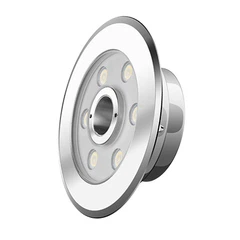
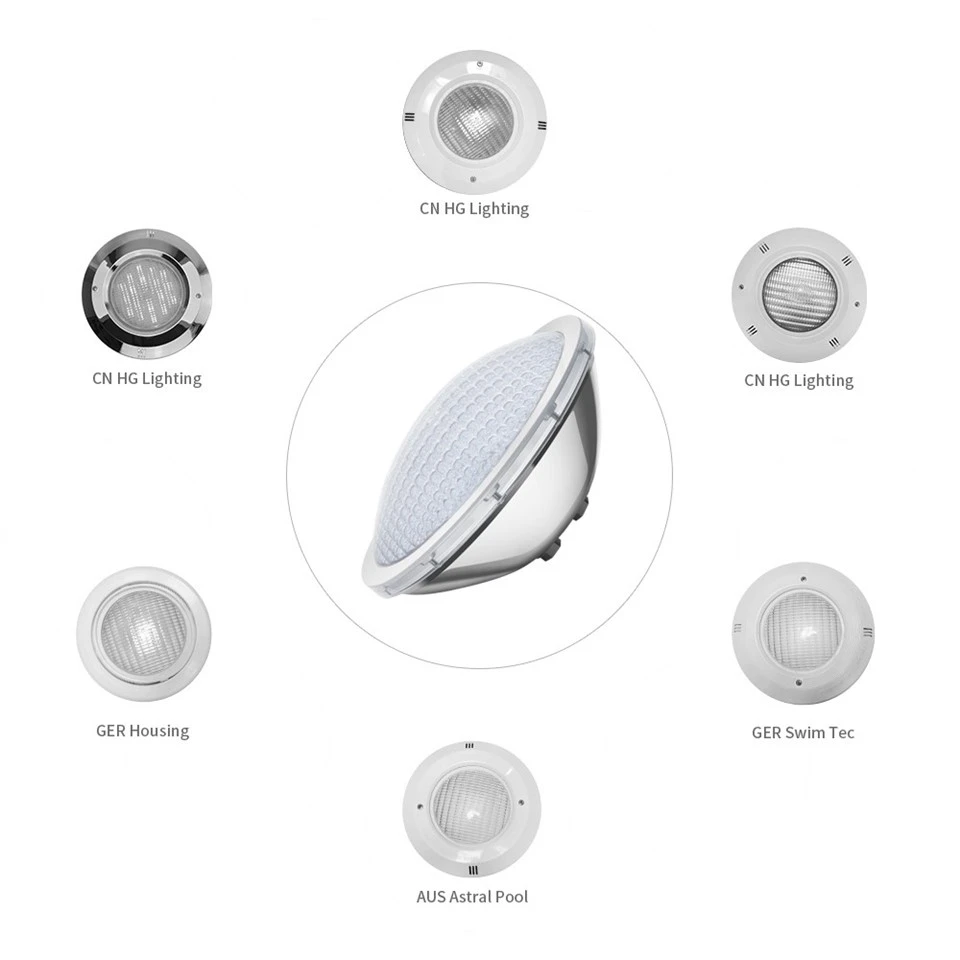
For example, in a deep pool, the high water pressure can force water through even the smallest gaps in the seal. This is why our Led Color Changing Swimming Pool Light is designed with high - quality, durable seals that are tested to withstand the pressure in pools of various depths.
Structural Integrity
Water pressure also affects the structural integrity of the pool light. The housing of the LED pool light needs to be strong enough to resist the external pressure. If the housing is not robust, it can deform under high water pressure.
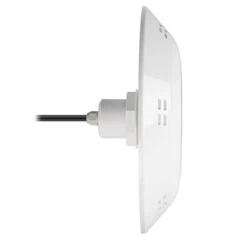
A deformed housing can lead to several problems. Firstly, it can compromise the seal, as mentioned earlier. Secondly, it can put stress on the internal components, potentially causing them to break or malfunction. Our 1800lm led pool lights are made with high - grade stainless steel or other durable materials that can withstand the pressure in most residential and commercial pools.
Heat Dissipation
LED lights generate heat, and proper heat dissipation is crucial for their performance and longevity. Water pressure can affect the heat dissipation process. In some cases, high water pressure can cause the water flow around the light to be disrupted.
The water around the LED pool light acts as a coolant, carrying away the heat generated by the LEDs. If the water flow is restricted due to high pressure, the temperature inside the light housing can rise. This can lead to a decrease in the efficiency of the LEDs and a shorter lifespan. Our Aquatight Pool Light is designed with a unique heat - dissipation mechanism that is less affected by water pressure, ensuring consistent performance.
Design Considerations for LED Pool Lights in High - Pressure Environments
Seal Design
When designing LED pool lights for high - pressure environments, the seal design is of utmost importance. We use double or triple seals in our products to provide an extra layer of protection. The seals are made from materials that are resistant to water, chemicals, and the effects of long - term pressure.
In addition, the installation of the seals is carefully engineered. The grooves in the light housing where the seals fit are precisely machined to ensure a tight and secure fit. This helps to prevent any water from entering the light, even under high pressure.
Housing Material
The choice of housing material is also critical. Stainless steel is a popular choice for high - pressure pool lights because it is strong, corrosion - resistant, and can withstand the force exerted by water pressure. We also use other high - strength plastics and composites that are specifically designed for underwater applications.
The thickness of the housing is another factor. In deeper pools, we may increase the thickness of the housing to provide additional strength. This ensures that the light can maintain its shape and integrity under high pressure.
Pressure Relief Mechanisms
Some of our advanced LED pool lights are equipped with pressure relief mechanisms. These mechanisms are designed to equalize the pressure inside and outside the light housing. When the water pressure outside the light increases, the pressure relief valve allows a small amount of water to enter the housing in a controlled manner, preventing the build - up of excessive pressure differences.
Testing LED Pool Lights for Water Pressure Resistance
Before our LED pool lights are released to the market, they undergo rigorous testing for water pressure resistance. We use specialized test chambers that can simulate the water pressure at different depths.
The lights are placed in the test chamber, and the pressure is gradually increased to the maximum expected level for the intended application. The lights are then monitored for a certain period to check for any signs of water ingress, structural damage, or performance degradation.
We also conduct long - term testing to simulate the effects of years of use in a pool. This helps us to identify any potential issues early on and make necessary improvements to our products.
Conclusion
In conclusion, water pressure can have a significant impact on LED pool lights. It affects the sealing integrity, structural integrity, and heat dissipation of the lights. However, with proper design, high - quality materials, and rigorous testing, LED pool lights can be made to withstand the water pressure in most pool environments.
As a supplier of LED pool lights, we are committed to providing our customers with products that are reliable, durable, and perform well under various conditions. If you are in the market for LED pool lights and have questions about water pressure or any other aspect of our products, we encourage you to contact us for a detailed discussion. Our team of experts is ready to assist you in choosing the right LED pool lights for your pool, whether it's a shallow residential pool or a deep commercial diving pool. Let's work together to create a beautiful and well - lit pool environment.
References
- Fluid Mechanics textbooks for the water pressure calculation formula.
- Industry standards and guidelines for LED pool light design and testing.
- Internal research and development reports from our company on LED pool light performance under water pressure.