






Are LED pool lights resistant to corrosion?
As a supplier of LED pool lights, I often encounter inquiries from customers about the corrosion resistance of these products. It's a crucial concern, considering that pool lights are constantly exposed to water, chemicals, and various environmental factors. In this blog, I'll delve into the topic of whether LED pool lights are resistant to corrosion, exploring the materials used, the manufacturing processes, and the factors that can affect their durability.
Understanding Corrosion in Pool Environments
Before we discuss the corrosion resistance of LED pool lights, it's important to understand what corrosion is and how it occurs in pool settings. Corrosion is a natural process that involves the deterioration of a material due to chemical reactions with its environment. In a pool, the water contains various chemicals such as chlorine, bromine, and pH adjusters, which can create a corrosive environment for metals and other materials.
Chlorine, for example, is a strong oxidizing agent that can react with metals to form metal chlorides. These chlorides can cause the metal to lose its structural integrity over time, leading to pitting, rusting, and eventual failure. Additionally, the pH level of the pool water can also affect corrosion rates. Water that is too acidic or too alkaline can accelerate the corrosion process.
Materials Used in LED Pool Lights
One of the key factors that determine the corrosion resistance of LED pool lights is the materials used in their construction. Most high - quality LED pool lights are made from materials that are known for their corrosion - resistant properties.
Stainless Steel
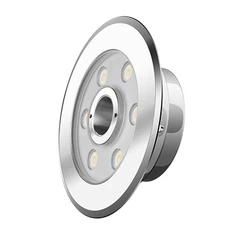
Stainless steel is a popular choice for the housing of LED pool lights. It contains chromium, which forms a thin, protective oxide layer on the surface of the metal. This oxide layer acts as a barrier, preventing oxygen and water from reaching the underlying metal and thus inhibiting corrosion. Different grades of stainless steel offer varying levels of corrosion resistance. For example, 316 stainless steel, which contains molybdenum, is more resistant to corrosion in chloride - rich environments like swimming pools compared to 304 stainless steel.
Our Stainless Steel Pool Light Certification ensures that the stainless steel used in our products meets high - quality standards for corrosion resistance. This certification gives our customers peace of mind, knowing that the pool lights are built to last in a harsh pool environment.


Polycarbonate
Polycarbonate is another material commonly used in LED pool lights, especially for the lens and diffuser. It is a strong, transparent thermoplastic that offers excellent resistance to impact, UV radiation, and chemicals. Polycarbonate is also non - porous, which means it doesn't absorb water or chemicals, reducing the risk of corrosion and degradation.
Manufacturing Processes and Corrosion Resistance
In addition to the materials used, the manufacturing processes also play a significant role in determining the corrosion resistance of LED pool lights.
Sealing and Encapsulation
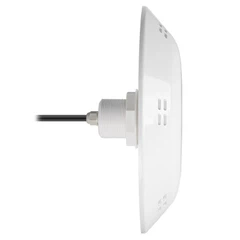
Proper sealing and encapsulation are essential to prevent water and chemicals from entering the internal components of the pool light. Our LED pool lights are designed with high - quality seals and gaskets that create a watertight barrier. This not only protects the electrical components from short - circuits but also prevents corrosion of the internal metal parts.
Surface Treatments
Some LED pool lights undergo surface treatments to enhance their corrosion resistance. For example, anodizing is a process that creates a hard, protective oxide layer on the surface of aluminum parts. This layer can improve the part's resistance to corrosion, wear, and UV radiation.
Factors Affecting Corrosion Resistance
While LED pool lights are designed to be corrosion - resistant, several factors can still affect their durability in a pool environment.
Water Chemistry
As mentioned earlier, the chemical composition of the pool water can have a significant impact on the corrosion rate of pool lights. Maintaining proper water chemistry, including the correct pH level, chlorine or bromine concentration, and alkalinity, is crucial for minimizing corrosion. Regular water testing and adjustment can help ensure that the pool water is within the recommended range for the safe operation of pool lights.
Installation and Maintenance
Proper installation and maintenance are also important for the long - term corrosion resistance of LED pool lights. During installation, it's essential to follow the manufacturer's instructions carefully to ensure that the lights are properly sealed and grounded. Regular maintenance, such as cleaning the lights and checking for any signs of damage or corrosion, can help detect and address issues early on.
Our Product Range and Corrosion Resistance
We offer a wide range of LED pool lights, including the Led 12v Color Changing Pool Light and Pool Landscape Lighting. These products are designed with corrosion resistance in mind, using high - quality materials and advanced manufacturing processes.
The Led 12v Color Changing Pool Light features a stainless - steel housing and a polycarbonate lens, providing excellent protection against corrosion. Its energy - efficient LED technology not only saves on electricity costs but also ensures long - term performance in a pool environment.
The Pool Landscape Lighting is designed to enhance the aesthetic appeal of your pool area while also being durable and corrosion - resistant. Whether used for underwater lighting or landscape illumination around the pool, these lights are built to withstand the rigors of a pool environment.
Conclusion
In conclusion, LED pool lights can be highly resistant to corrosion when they are made from high - quality materials, manufactured using proper processes, and installed and maintained correctly. At our company, we are committed to providing our customers with LED pool lights that offer excellent corrosion resistance and long - term performance.
If you're in the market for LED pool lights and want to learn more about our products or discuss your specific requirements, we invite you to contact us for a procurement consultation. We look forward to helping you find the perfect pool lighting solutions for your needs.
References
- Jones, D. A. (1992). Principles and Prevention of Corrosion. Prentice Hall.
- Fontana, M. G. (1986). Corrosion Engineering. McGraw - Hill.