






LED spikes have gained significant popularity in recent years, especially in outdoor lighting applications. As a supplier of high - quality LED spikes, I often get asked whether these lighting fixtures are easy to install. In this blog, I'll delve into the details of LED spike installation, discussing the factors that contribute to its ease or complexity and providing you with a comprehensive understanding of what to expect.
Understanding LED Spikes
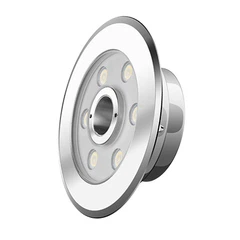
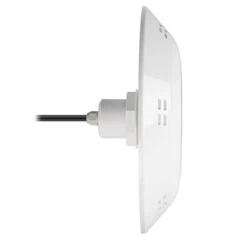
Before we talk about installation, it's essential to understand what LED spikes are. Led Spike Lights are small, spike - shaped lighting fixtures typically used for outdoor lighting, such as in gardens, pathways, or around buildings. They come in various designs, materials, and power requirements. For instance, Led Stainless Steel Outdoor Spike Lights are known for their durability and sleek appearance, while 24v Garden Spike Lights are popular for their energy - efficiency and ease of integration with existing garden lighting systems.
Factors Contributing to Easy Installation
Simple Design
One of the primary reasons why LED spikes are generally easy to install is their simple design. Most LED spikes consist of a spike base, an LED light source, and a protective housing. The spike base is designed to be easily inserted into the ground, eliminating the need for complex mounting hardware. This straightforward design makes it possible for even novice DIYers to install LED spikes without professional help.
Plug - and - Play Functionality
Many LED spikes are designed with plug - and - play functionality. This means that once you have the necessary power source, you can simply connect the LED spike to the power supply, and it will start working. For example, some 24v LED spikes can be connected to a 24v transformer, which can be easily installed near the lighting area. This eliminates the need for complex wiring and electrical work, making the installation process much quicker and easier.
Low - Voltage Operation
LED spikes typically operate on low - voltage power, such as 12v or 24v. Low - voltage systems are generally safer and easier to work with than high - voltage systems. They require less specialized knowledge and equipment for installation. Additionally, low - voltage wiring is more flexible and easier to route around obstacles, reducing the complexity of the installation process.
Modular Design
Another advantage of LED spikes is their modular design. You can easily add or remove individual spikes from a lighting system as needed. This makes it convenient to customize your lighting layout and adjust it according to your changing needs. For example, if you decide to expand your garden or change the layout of your pathway, you can simply add more LED spikes to the existing system without having to re - design the entire lighting setup.
Potential Challenges in Installation
Ground Conditions
While LED spikes are designed to be inserted into the ground, the condition of the ground can sometimes pose a challenge. Hard or rocky soil may make it difficult to insert the spike base. In such cases, you may need to use a drill or other tools to create a hole for the spike. Similarly, if the ground is too soft or wet, the spike may not stay firmly in place, requiring additional measures to secure it.
Power Source Location
Finding a suitable power source can also be a challenge, especially in large outdoor areas. If the power source is far from the location where you want to install the LED spikes, you may need to run long lengths of wiring. This can increase the complexity of the installation and may require additional wiring connectors and junction boxes.

Weather Conditions
Weather conditions can also affect the installation process. For example, installing LED spikes in rainy or snowy weather can be difficult and may damage the electrical components. It's best to choose a dry and mild day for installation to ensure the safety and proper functioning of the lighting system.
Step - by - Step Installation Guide
Step 1: Plan Your Lighting Layout
Before you start installing LED spikes, it's important to plan your lighting layout. Decide where you want to place the spikes, taking into account the areas you want to illuminate and the overall aesthetic you want to achieve. Mark the locations on the ground using stakes or spray paint.
Step 2: Prepare the Power Source
Depending on the type of LED spikes you have, you'll need to prepare the appropriate power source. If you're using 24v LED spikes, you'll need to install a 24v transformer. Make sure to follow the manufacturer's instructions carefully when installing the transformer and connecting it to the power supply.
Step 3: Insert the Spikes into the Ground
Once you have the power source ready, it's time to insert the LED spikes into the ground. If the ground is hard, you may need to use a drill or other tools to create a hole for the spike. Make sure the spike is inserted firmly into the ground to ensure stability.

Step 4: Connect the Wiring
After inserting the spikes, connect the wiring between the spikes and the power source. Use appropriate wiring connectors to ensure a secure and waterproof connection. Make sure to follow the wiring diagram provided by the manufacturer to avoid any electrical issues.
Step 5: Test the Lighting System
Once you have connected all the wiring, test the lighting system to make sure it's working properly. Turn on the power and check if all the LED spikes are illuminated. If you encounter any issues, such as a spike not working or a dim light, check the wiring connections and the power source.
Conclusion
In conclusion, LED spikes are generally easy to install, thanks to their simple design, plug - and - play functionality, low - voltage operation, and modular design. However, there are some potential challenges, such as ground conditions, power source location, and weather conditions, that you need to be aware of. By following a proper installation guide and taking the necessary precautions, you can successfully install LED spikes in your outdoor space.
If you're interested in purchasing high - quality LED spikes for your outdoor lighting project, we'd be more than happy to assist you. Our team of experts can provide you with detailed product information, installation tips, and help you choose the right LED spikes for your needs. Contact us today to start the procurement discussion and bring your outdoor lighting vision to life.
References
- Manufacturer's installation manuals for LED spike lights
- Industry standards and guidelines for outdoor lighting installation