






Are plastic LED lamps affected by electromagnetic interference?
As a supplier of plastic LED lamps, I often encounter questions from customers regarding the performance and reliability of our products. One topic that frequently comes up is electromagnetic interference (EMI) and its potential impact on plastic LED lamps. In this blog post, I'll delve into the science behind electromagnetic interference, explore how it might affect plastic LED lamps, and discuss the measures we take to ensure the quality and stability of our lighting solutions.
Understanding Electromagnetic Interference
Electromagnetic interference refers to the disruption of electrical circuits caused by electromagnetic radiation emitted from external sources. These sources can range from natural phenomena such as lightning to man - made devices like motors, power lines, and wireless communication equipment. EMI can manifest in various forms, including radio - frequency interference (RFI), which affects radio and communication frequencies, and conducted interference, which travels through power lines and electrical conductors.
The impact of EMI on electronic devices can be significant. It can cause malfunctions, reduce the efficiency of the device, and even lead to permanent damage in severe cases. For LED lamps, EMI can result in flickering, color shifting, or complete failure of the light source.


How Plastic LED Lamps Are Susceptible to EMI
Plastic LED lamps, like any other electronic device, are potentially vulnerable to electromagnetic interference. The plastic housing of the lamp, while lightweight and cost - effective, may not provide the same level of shielding as metal enclosures. Plastic is generally a poor conductor of electricity and does not block electromagnetic waves as effectively as metal.
Inside the plastic LED lamp, the electronic components such as the driver circuit, which converts the incoming electrical power into a suitable form for the LEDs, are particularly sensitive to EMI. The high - frequency switching operations in the driver can generate electromagnetic fields, and at the same time, they can also be affected by external electromagnetic fields.
However, it's important to note that not all plastic LED lamps are equally susceptible to EMI. The design of the lamp, the quality of the components used, and the manufacturing processes all play crucial roles in determining its resistance to electromagnetic interference.
Factors Affecting EMI Resistance in Plastic LED Lamps
- Component Quality: High - quality electronic components are less likely to be affected by EMI. We source components from reputable manufacturers who adhere to strict quality control standards. For example, using well - designed inductors and capacitors in the driver circuit can help filter out unwanted electromagnetic signals and reduce the risk of interference.
- Circuit Design: A well - designed circuit layout can minimize the impact of EMI. Our engineers pay close attention to the routing of traces on the printed circuit board (PCB) to reduce the formation of loops, which can act as antennas and pick up electromagnetic signals. Additionally, proper grounding techniques are employed to ensure that any induced electrical currents are safely diverted away from the sensitive components.
- Shielding Techniques: Although plastic itself is not a good shield, we can incorporate additional shielding materials inside the lamp. For instance, applying a conductive coating on the inner surface of the plastic housing can help to block electromagnetic waves. Another approach is to use shielded cables to connect the different components within the lamp, which can prevent the ingress and egress of electromagnetic signals.
Testing for EMI
To ensure that our plastic LED lamps meet the required standards for electromagnetic compatibility (EMC), we conduct comprehensive testing. These tests are carried out in accredited laboratories using specialized equipment.
- Radiated Emission Testing: This test measures the amount of electromagnetic radiation emitted by the lamp in the radio - frequency range. The lamp is placed in an anechoic chamber, which is designed to absorb all reflected electromagnetic waves, and the emissions are measured at various frequencies.
- Conducted Emission Testing: In this test, the interference signals that are conducted through the power lines and signal cables are measured. The lamp is connected to a power network simulator, and the electrical currents and voltages are monitored to detect any unwanted interference.
If the test results indicate that the lamp has excessive EMI emissions or is too sensitive to external interference, we make the necessary adjustments to the design or the components until it meets the standards.
Applications and EMI Considerations
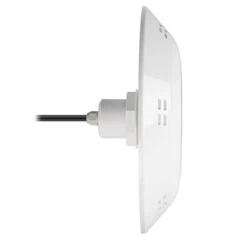
Our plastic LED lamps are used in a wide range of applications, each with its own EMI considerations. For example, in the case of Swimworld Pool Light, which is designed for underwater use in swimming pools, the presence of water can have an impact on the lamp's electromagnetic environment. Water can act as a conductor and may enhance the propagation of electromagnetic waves, increasing the risk of interference.
When it comes to 12v swimming pool light installation, proper grounding and wiring techniques are essential to minimize EMI. Incorrect wiring can create loops that can pick up electromagnetic signals, leading to problems with the lamp's performance.
For Led Lights For A Swimming Pool Light, the proximity to other electrical equipment in the pool area, such as pumps and heaters, can also pose a risk of EMI. Our lamps are designed to operate reliably in such environments, but it's important for installers to follow the recommended installation guidelines to reduce the potential for interference.
Conclusion and Call to Action
In conclusion, while plastic LED lamps are potentially susceptible to electromagnetic interference, with proper design, high - quality components, and rigorous testing, we can ensure that our products are highly resistant to EMI. Our commitment to quality and innovation allows us to offer plastic LED lamps that provide stable and reliable lighting performance in a variety of applications.
If you're interested in purchasing our plastic LED lamps for your project, whether it's for swimming pools or other lighting needs, we'd love to hear from you. Contact us to discuss your specific requirements and let us help you find the perfect lighting solution.
References
- Electromagnetic Compatibility Engineering by Henry W. Ott.
- International Electrotechnical Commission (IEC) standards on electromagnetic compatibility for lighting equipment.
- IEEE Transactions on Electromagnetic Compatibility for research papers on EMI in electronic devices.