






Hey there! As a supplier of Swimming Pool LED lights, I've gotten tons of questions from pool owners and installers about whether pool chemicals mess with our LED lights. So, I thought I'd dive deep into this topic and share what I've learned.
How Pool Chemicals Work
First off, let's talk about what pool chemicals are and what they do. Pool chemicals are essential for keeping your pool water clean, clear, and safe to swim in. The most common chemicals you'll find in a pool are chlorine, bromine, pH adjusters, and algaecides.


Chlorine is a powerful disinfectant that kills bacteria, viruses, and other harmful microorganisms in the water. It comes in different forms, like tablets, granules, and liquid. Bromine is another disinfectant that's often used in hot tubs and spas because it works well in warmer water.
pH adjusters are used to keep the water's pH level in the right range. If the pH is too high or too low, it can cause skin and eye irritation, damage to pool equipment, and even make the disinfectants less effective. Algaecides are used to prevent and treat algae growth in the pool.
The Impact of Pool Chemicals on LED Lights
Now, let's get to the big question: Do pool chemicals affect Swimming Pool LED lights? The short answer is yes, but it depends on a few factors.
Corrosion
One of the main ways pool chemicals can affect LED lights is through corrosion. Chlorine and bromine are both strong oxidizing agents, which means they can react with metals and other materials over time. If the LED light fixtures are made of metal, like stainless steel or aluminum, they can start to corrode if they're exposed to high levels of chlorine or bromine for a long time.
Corrosion can cause the light fixtures to become weak and brittle, which can lead to leaks and electrical problems. It can also make the lights look unsightly, with rust and discoloration. To prevent corrosion, it's important to choose LED light fixtures that are made of high-quality materials and are designed to resist corrosion.
Electrical Issues
Another way pool chemicals can affect LED lights is through electrical issues. If the pool water has a high level of dissolved salts or other minerals, it can conduct electricity more easily. This can increase the risk of electrical shock if the LED lights are not properly grounded or if there are any electrical faults in the system.
In addition, pool chemicals can also damage the electrical components of the LED lights, like the wiring and connectors. If the chemicals get into the electrical connections, they can cause corrosion and short circuits, which can make the lights stop working. To prevent electrical issues, it's important to have the LED lights installed by a professional electrician and to follow all the manufacturer's instructions for installation and maintenance.
Light Output
Pool chemicals can also affect the light output of LED lights. If the pool water has a high level of dissolved solids or other impurities, it can scatter and absorb the light, making it less bright and less effective. In addition, if the LED lights are exposed to high levels of chlorine or bromine for a long time, it can cause the light-emitting diodes (LEDs) to degrade, which can reduce their brightness and color accuracy.
To maintain the light output of LED lights, it's important to keep the pool water clean and clear. This means regularly testing the water and adjusting the chemical levels as needed. It's also a good idea to clean the LED light fixtures regularly to remove any dirt, debris, or chemical buildup.
How to Protect Your LED Lights from Pool Chemicals
Now that you know how pool chemicals can affect LED lights, let's talk about how you can protect your lights from these effects.
Choose the Right LED Lights
The first step in protecting your LED lights from pool chemicals is to choose the right lights. Look for LED light fixtures that are made of high-quality materials, like stainless steel or plastic, and are designed to resist corrosion. Make sure the lights are also rated for use in wet or damp environments and are UL listed for safety.
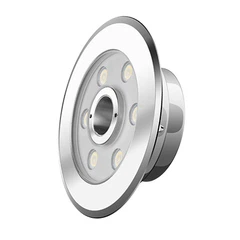
For example, our 12V Led Color Lights For Pool are made of high-grade stainless steel and are designed to withstand the harsh conditions of a swimming pool. They are also energy-efficient and come in a variety of colors and lighting effects, so you can create the perfect ambiance for your pool.
Install the Lights Properly
The next step is to have the LED lights installed properly. This means following all the manufacturer's instructions for installation and using the right tools and materials. It's also important to have the lights installed by a professional electrician who is familiar with pool electrical systems.
Make sure the lights are properly grounded and that all the electrical connections are tight and secure. Also, make sure the lights are installed at the right depth and angle to ensure maximum light output and coverage.
Maintain the Pool Water
One of the most important things you can do to protect your LED lights from pool chemicals is to maintain the pool water. This means regularly testing the water and adjusting the chemical levels as needed. It's also important to keep the pool water clean and clear by skimming the surface, vacuuming the bottom, and backwashing the filter regularly.
If you use a saltwater chlorinator, make sure the salt level is within the recommended range. Too much salt can increase the risk of corrosion and electrical issues. Also, make sure the pH level of the pool water is between 7.2 and 7.8, as this is the optimal range for both the disinfectants and the LED lights.
Clean the LED Lights Regularly
Finally, it's important to clean the LED lights regularly to remove any dirt, debris, or chemical buildup. You can use a soft cloth or sponge and a mild detergent to clean the light fixtures. Make sure to rinse the lights thoroughly with clean water and dry them completely before turning them back on.
If you notice any signs of corrosion or damage to the LED lights, it's important to have them repaired or replaced as soon as possible. Ignoring these issues can lead to more serious problems down the road.
Conclusion
In conclusion, pool chemicals can affect Swimming Pool LED lights, but it doesn't have to be a big problem. By choosing the right LED lights, installing them properly, maintaining the pool water, and cleaning the lights regularly, you can minimize the effects of pool chemicals and keep your lights looking and working their best for years to come.
If you're in the market for high-quality Swimming Pool LED lights, we've got you covered. Check out our Low Voltage LED Pool Light and Lights For Your Pool collections. We offer a wide range of LED lights that are designed to meet your needs and budget.
If you have any questions or need help choosing the right LED lights for your pool, don't hesitate to contact us. We're here to help you create the perfect pool lighting solution for your home or business.
References
- "Swimming Pool and Spa Maintenance Handbook" by John W. Ferguson
- "The Pool & Spa Operator Handbook" by the National Swimming Pool Foundation
- Manufacturer's instructions and specifications for Swimming Pool LED lights