






Are there pool edge lights that are resistant to chemicals?
Hey there! I'm a supplier of Pool Edge Lighting, and I often get asked: are there pool edge lights that are resistant to chemicals? Well, the short answer is yes, but let's dive deeper into this topic.
The Chemical Challenges in Pool Environments
Pools are filled with all sorts of chemicals. Chlorine is the most common one. It's used to kill bacteria, viruses, and other harmful organisms in the water, keeping the pool safe for swimming. But chlorine is a strong oxidizing agent. It can react with many materials, causing them to degrade over time. Other chemicals like pH adjusters, algaecides, and clarifiers are also used in pools, and they can have their own effects on pool equipment.
When it comes to pool edge lights, these chemicals can cause a variety of problems. They can corrode the outer casing of the lights, damage the electrical components inside, and even affect the light output. For example, if the casing of a pool edge light is made of a material that's not resistant to chlorine, it might start to crack or become brittle after a few months of exposure. This not only looks bad but can also lead to water leakage into the light, which can cause a short - circuit and make the light stop working.
Chemical - Resistant Pool Edge Lights
So, what makes a pool edge light resistant to chemicals? Well, it all starts with the materials used in its construction.
Outer Casing Materials
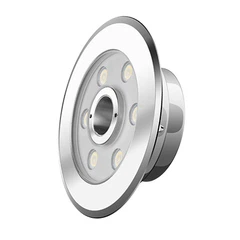
- Stainless Steel: Stainless steel is a popular choice for the outer casing of pool edge lights. It's highly resistant to corrosion, thanks to the chromium in its composition. Chromium forms a thin, protective layer on the surface of the steel, which prevents the chlorine and other chemicals from reacting with the metal. For example, 316 stainless steel is often used in marine and pool applications because it has a higher molybdenum content, which further enhances its corrosion resistance.
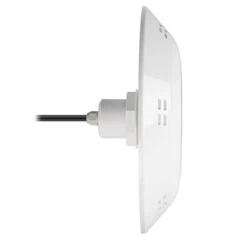
- Plastic Polymers: Some high - quality plastic polymers are also very resistant to chemicals. For instance, polycarbonate is a tough, transparent plastic that can withstand exposure to chlorine and other pool chemicals. It's also impact - resistant, which means it can handle the occasional bump or knock without cracking. Another option is PVC (polyvinyl chloride), which is relatively inexpensive and has good chemical resistance. However, not all PVC is created equal, and it's important to choose a PVC that's specifically formulated for pool use.
Sealing and Gaskets
The seals and gaskets in a pool edge light are also crucial for chemical resistance. These components prevent water and chemicals from seeping into the light. Silicone gaskets are often used because they're flexible, durable, and resistant to chemicals. They can form a tight seal around the edges of the light, keeping the internal components safe from the harsh pool environment.
Electrical Components
The electrical components inside a pool edge light need to be protected from chemicals as well. Encapsulation is a common method used to protect these components. In encapsulation, the electrical parts are coated with a protective material, such as epoxy resin. This coating acts as a barrier, preventing chemicals from reaching the sensitive electrical circuits.
Our Product Range
As a supplier, we offer a wide range of ac100 240v pool lights waterproof and Waterproof Light for Swimming Pool that are designed to be resistant to chemicals.
Our pool edge lights are made with high - quality stainless steel or chemical - resistant plastic polymers. The seals and gaskets are carefully selected to ensure a watertight and chemical - proof seal. And the electrical components are encapsulated to provide long - term protection.
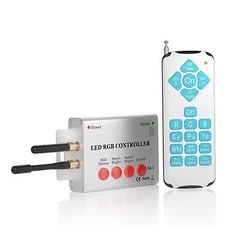
We understand that different pool owners have different needs. That's why we offer a variety of styles and colors of pool edge lights. Whether you want a simple, white light to illuminate the pool edge or a more colorful, LED light to create a fun and festive atmosphere, we've got you covered.
Benefits of Using Chemical - Resistant Pool Edge Lights
- Longer Lifespan: By using chemical - resistant pool edge lights, you can significantly extend the lifespan of your lights. Instead of having to replace the lights every year or two, you might only need to replace them every five to ten years. This can save you a lot of money in the long run.
- Reliability: Chemical - resistant lights are more reliable. They're less likely to break down due to chemical damage, which means you won't have to deal with the hassle of frequent repairs or replacements. You can enjoy a well - lit pool without worrying about the lights suddenly going out.
- Aesthetics: Since chemical - resistant lights don't corrode or degrade as quickly, they'll maintain their appearance over time. Your pool will always look its best, with bright and attractive edge lighting.
Installation and Maintenance
Proper installation and maintenance are also important for ensuring the chemical resistance of pool edge lights.
When installing the lights, make sure they're properly sealed and secured. Follow the manufacturer's instructions carefully to ensure a correct installation. If the lights are not installed correctly, water and chemicals can seep in more easily, even if the lights are made of chemical - resistant materials.
In terms of maintenance, regular cleaning is essential. Use a mild, non - abrasive cleaner to clean the lights. Avoid using harsh chemicals or abrasive sponges, as these can damage the protective coatings on the lights. Also, check the seals and gaskets periodically to make sure they're still in good condition. If you notice any signs of wear or damage, replace them immediately.
Conclusion
In conclusion, there are definitely pool edge lights that are resistant to chemicals. By choosing the right materials, such as stainless steel and chemical - resistant plastics, and ensuring proper installation and maintenance, you can have pool edge lights that will last for years in a harsh chemical environment.
If you're in the market for high - quality, chemical - resistant pool edge lights, we're here to help. We've got a great selection of products that are designed to meet your needs. Whether you're a homeowner looking to upgrade your backyard pool or a commercial pool operator, we can provide you with the perfect lighting solution. Contact us to start a procurement discussion, and let's make your pool shine!


References
- "Pool Chemistry Handbook" - A comprehensive guide on pool chemicals and their effects on pool equipment.
- "Materials Science for Pool Applications" - A technical publication that discusses the use of different materials in pool lighting and their chemical resistance.