






Hey there! As a supplier of underwater lights, I often get asked whether underwater lights are energy - efficient. Well, let's dive right into this topic and find out.
First off, let's talk about the different types of underwater lights out there. In the past, incandescent and halogen lights were commonly used for underwater lighting. These lights work by heating a filament until it glows. But the problem is, they're not very energy - efficient. A large portion of the energy they consume is wasted as heat rather than being converted into light. For example, an incandescent bulb might convert only about 10% of the energy it uses into visible light, while the rest is lost as heat. This means you're paying more on your electricity bill to get the same amount of light compared to more efficient options.
Then came along fluorescent lights. Fluorescent underwater lights are better than incandescent ones in terms of energy efficiency. They work by passing an electric current through a gas, which then emits ultraviolet light. This ultraviolet light is then converted into visible light by a phosphor coating on the inside of the tube. Fluorescent lights can convert about 20 - 30% of the energy they use into light, which is a significant improvement over incandescent bulbs. However, they still have some drawbacks. They can be a bit bulky, and they contain small amounts of mercury, which is a toxic substance. This makes their disposal a bit of a hassle.
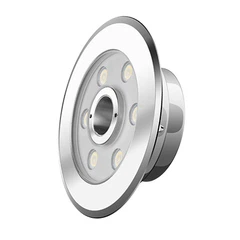
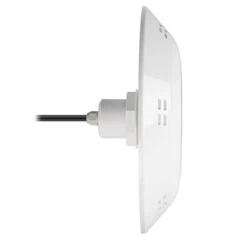
Now, let's talk about the star of the show: LED (Light - Emitting Diode) underwater lights. LEDs have revolutionized the lighting industry, and underwater lighting is no exception. LEDs are extremely energy - efficient. They can convert up to 80 - 90% of the energy they use into light. That means you're getting a whole lot more light for your money. For instance, if you have a pool that requires a certain level of illumination, an LED underwater light will use a fraction of the energy that an incandescent or even a fluorescent light would need to achieve the same brightness.
One of the reasons LEDs are so efficient is their design. Unlike incandescent bulbs that rely on heating a filament, LEDs are solid - state devices. They have no moving parts, and they produce light through a process called electroluminescence. When an electric current is applied to the semiconductor material in an LED, it emits light. This process is much more direct and efficient than the heating process used in incandescent bulbs.
Another great thing about LED underwater lights is their long lifespan. While an incandescent bulb might last for about 1,000 hours and a fluorescent light for around 10,000 hours, an LED underwater light can last for up to 50,000 hours or even more. This means you won't have to replace the lights as often, which not only saves you money on replacement bulbs but also reduces the environmental impact associated with manufacturing and disposing of bulbs.
If you're interested in the basic knowledge of LED underwater light installation, you can check out LED Underwater Light Installation Basic Knowledge. It provides all the essential information you need to get your LED underwater lights up and running.
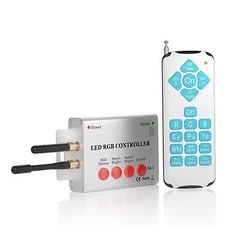
LED underwater lights also come with a host of other features that make them a great choice. They offer a wide range of colors and color - changing options. You can create different lighting effects to suit your mood or the occasion. Whether you want a relaxing blue light for a nighttime swim or a colorful light show for a party, LED underwater lights can do it all. To learn more about these features, head over to LED Underwater Light Features.
In addition to their energy efficiency and features, we're also running some great promotions on our underwater lights. You can find out more about these promotions on Promotion Of Underwater Lights. It's a great opportunity to save some money while upgrading your underwater lighting.
Now, let's talk about the environmental impact. Energy - efficient underwater lights, especially LEDs, are much better for the environment. Since they use less energy, they reduce the demand for electricity generation. This, in turn, reduces the amount of fossil fuels burned to produce that electricity, which helps to lower greenhouse gas emissions. Also, as mentioned earlier, their long lifespan means less waste going into landfills.
When it comes to cost - effectiveness, LED underwater lights might have a higher upfront cost compared to incandescent or fluorescent lights. However, when you factor in the energy savings and the long lifespan, they end up being much cheaper in the long run. You'll save a significant amount of money on your electricity bills over the years, and you won't have to keep buying new bulbs.
So, to answer the question "Are underwater lights energy - efficient?" It really depends on the type of light. Incandescent and fluorescent lights have their limitations in terms of energy efficiency, but LED underwater lights are a clear winner. They're highly energy - efficient, have a long lifespan, offer great features, and are better for the environment.
If you're in the market for underwater lights, whether it's for a pool, a fountain, or any other underwater application, I highly recommend considering LED underwater lights. They'll not only save you money but also enhance the beauty and functionality of your underwater space.
If you're interested in purchasing our underwater lights or have any questions, don't hesitate to reach out. We're here to help you find the perfect lighting solution for your needs. Let's start a conversation and see how we can make your underwater area shine!
References
- General knowledge about lighting technologies from industry research and experience in the underwater light supply business.