






Hey there! As a supplier of underwater lights, I often get asked, "Are underwater lights safe?" It's a super important question, especially when we're talking about something that's going to be submerged in water, where we or our loved ones might be swimming around. So, let's dive right in and explore this topic.
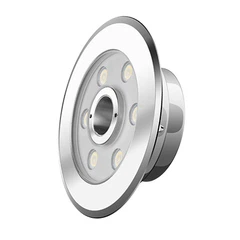
First off, let's understand what underwater lighting is. You might be wondering, What Is Underwater Lighting Called. Well, underwater lighting can refer to a whole range of lights designed to be used underwater. These can include lights for swimming pools, aquariums, fountains, and even in some cases, for underwater exploration.
When it comes to safety, the good news is that modern underwater lights are generally pretty safe. But like any electrical device, there are some factors we need to consider.
Quality and Certification
One of the most crucial aspects of safety is the quality of the underwater lights. Reputable manufacturers make sure their lights meet strict safety standards. For example, in the United States, the National Electrical Code (NEC) has specific requirements for underwater lighting in swimming pools. Lights need to be properly grounded, and they should have appropriate enclosures to prevent water from getting into the electrical components.
If you're buying underwater lights, look for products that have been certified by recognized testing agencies. This certification is a sign that the lights have been tested and meet the necessary safety criteria. As a supplier, I always make sure to offer lights that are up to these standards.
Installation
Proper installation is key to ensuring the safety of underwater lights. It's not a job for just anyone. You should always hire a qualified electrician or someone with experience in installing underwater lighting. They'll know how to correctly wire the lights, make sure the grounding is right, and install the lights in a way that minimizes the risk of electrical shock.
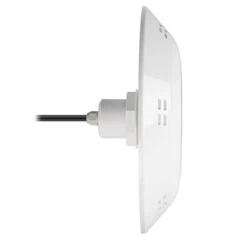
For instance, when installing pool lights, the wiring needs to be buried at the right depth and protected from damage. The lights themselves should be installed at the correct height and angle to prevent any issues. If you're interested in learning more about the installation of swimming pool underwater lights, check out Introduction Of Swimming Pool Underwater Lights.
Maintenance
Regular maintenance is also essential for the safety of underwater lights. Over time, the lights can get dirty, and the seals can wear out. If water gets into the electrical parts of the light, it can cause a short circuit or other problems.
You should clean the lights regularly to remove any dirt or debris. Check the seals and gaskets for signs of wear and tear, and replace them if necessary. It's also a good idea to have the electrical connections checked periodically to make sure they're secure.
Types of Underwater Lights and Safety
There are so many types of underwater lights out there, and each type has its own safety considerations. You might be wondering, There Are So Many Types Of Underwater Lights, How To Choose The One That Suits You.

- LED Lights: LED underwater lights are very popular these days. They're energy - efficient, long - lasting, and generally quite safe. They produce less heat compared to traditional incandescent lights, which reduces the risk of overheating and potential fire hazards. However, you still need to make sure they're installed and maintained properly.
- Incandescent Lights: Incandescent lights were the traditional choice for underwater lighting. They're not as energy - efficient as LED lights, and they produce more heat. This heat can be a safety concern, especially if the lights are not properly ventilated. Also, the bulbs can break more easily, which can expose the electrical components to water.
User Safety
As a user, there are some things you can do to ensure your own safety when using underwater lights. For example, never touch the lights or the wiring when the power is on and you're in the water. If you notice any problems with the lights, such as flickering or a strange smell, turn off the power immediately and contact a professional.
Also, make sure to follow the manufacturer's instructions for use and maintenance. These instructions are there for a reason, and they'll help you keep the lights safe and working properly.
Safety in Different Environments
The safety of underwater lights can also vary depending on the environment in which they're used.
- Swimming Pools: In swimming pools, the risk of electrical shock is a major concern. That's why the NEC has such strict rules for pool lighting. The lights need to be installed in a way that they're not easily accessible to swimmers. Also, the pool water itself can conduct electricity, so any electrical problems can be very dangerous.
- Aquariums: For aquariums, the main safety concern is making sure the lights don't overheat the water or cause any harm to the fish and other aquatic life. You need to choose lights that are suitable for the size of the aquarium and the type of fish you have.
Conclusion
So, are underwater lights safe? The answer is yes, as long as you take the right precautions. By choosing high - quality, certified lights, having them installed by a professional, and performing regular maintenance, you can enjoy the beauty and functionality of underwater lights without worrying too much about safety.
If you're in the market for underwater lights, whether it's for your pool, aquarium, or other underwater applications, I'm here to help. As a supplier, I can offer you a wide range of safe and reliable underwater lights. If you have any questions or want to discuss your specific needs, feel free to reach out. Let's start a conversation and find the perfect underwater lights for you.
References
- National Electrical Code (NEC)
- Manufacturer's product manuals and safety guides