


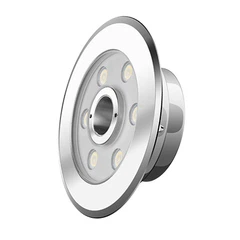


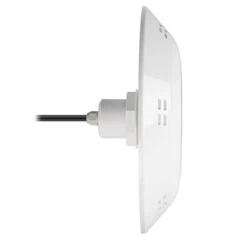


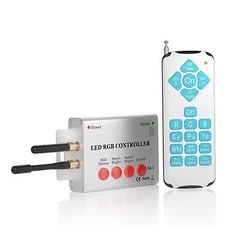
Hey there! As a supplier of underwater lights, I often get asked, "Can I install underwater lights myself?" Well, let's dive right into this topic and find out.
The Appeal of DIY Installation
First off, I totally get the appeal of doing it yourself. Saving some cash is always a plus, and there's a real sense of accomplishment when you can say, "I did that!" You also have the freedom to work at your own pace and make adjustments as you go. It's like being your own boss on a mini home improvement project.
But before you grab your tools and jump in, there are a few things you need to consider. Underwater lights aren't like your regular household light fixtures. They're designed to work in a wet and often harsh environment, so safety and proper installation are super important.
Safety First
Safety should be your number one priority when installing underwater lights. Water and electricity are a dangerous combination, so you need to make sure you're taking all the necessary precautions. If you're not experienced with electrical work, it's easy to make mistakes that could lead to electric shocks, short circuits, or even fires.
One of the first things you need to do is make sure your pool or water feature is completely drained before you start the installation. This will prevent any accidental electrocution. You should also wear rubber gloves and shoes with non - conductive soles to protect yourself.

Another important safety measure is to use a ground - fault circuit interrupter (GFCI). A GFCI is a device that can detect when there's an imbalance in the electrical current and quickly shut off the power to prevent electric shock. It's required by code in most areas for any electrical work near water.
Technical Know - How
Installing underwater lights requires a certain level of technical know - how. You need to understand how to run electrical wires, connect them properly, and seal the fixtures to prevent water from getting in. If you've never done any electrical work before, this can be a real challenge.
For example, you need to know how to size the wires correctly. If the wires are too small, they can overheat and cause a fire. You also need to know how to make waterproof connections. A poor connection can lead to water seeping in and damaging the light or causing a short circuit.
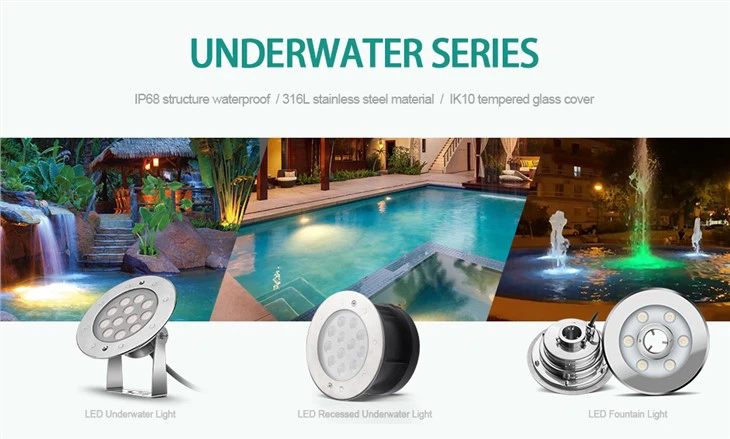
You can find a lot of information online about how to install underwater lights, but it's not always easy to follow. There are different types of underwater lights, and each one may have its own specific installation requirements. Some lights are designed to be installed in a niche in the pool wall, while others are surface - mounted.
If you're thinking about doing it yourself, I recommend checking out Underwater lamps insist on lamps and features. This page has some great step - by - step instructions that can help you understand the process better.
Tools and Materials
In addition to technical know - how, you'll also need the right tools and materials. You'll need things like wire cutters, strippers, screwdrivers, and a drill. You'll also need to purchase the right type of underwater lights, electrical wires, and connectors.
Buying the right materials is crucial. You need to make sure the lights are rated for underwater use and that they're compatible with your pool or water feature. Using the wrong materials can not only lead to installation problems but also shorten the lifespan of the lights.
When DIY Works
If you have some experience with electrical work and you're confident in your abilities, then installing underwater lights yourself can be a great option. It can save you money on labor costs, and you'll have the satisfaction of a job well - done.
For example, if you've installed other types of electrical fixtures in your home before, like ceiling fans or light switches, you may have the basic skills needed to install underwater lights. Just make sure you do your research and follow all the safety guidelines.
When to Call a Professional
On the other hand, if you're not experienced with electrical work, it's probably best to call a professional. A professional electrician or pool installer has the training and experience to install the lights safely and correctly. They'll also be familiar with local building codes and regulations, which can save you a lot of headaches in the long run.
A professional can also help you troubleshoot any problems that may arise during the installation. If you run into a technical issue or if the lights aren't working properly, they'll know how to fix it.
Troubleshooting and Maintenance
Even if you do install the lights yourself, you may still run into problems down the road. For example, the lights may suddenly turn off. If this happens, don't panic. You can check out Why Does The LED Underwater Light Suddenly Turn Off? for some possible causes and solutions.
Regular maintenance is also important to keep your underwater lights working properly. You should clean the lights regularly to remove any dirt or debris that may build up. You also need to check the electrical connections periodically to make sure they're still tight and waterproof.
Our Promotion
At our company, we're always running some great promotions on our underwater lights. If you're interested in purchasing underwater lights, be sure to check out Promotion Of Underwater Lights. We offer a wide range of high - quality underwater lights at competitive prices.
Our lights are designed to be energy - efficient, long - lasting, and easy to install. Whether you're looking for a simple single - light setup or a more elaborate multi - light system, we have something for you.
Conclusion
So, can you install underwater lights yourself? The answer is, it depends. If you have the skills, experience, and confidence, then go for it. But if you're not sure, it's better to play it safe and call a professional.
If you're in the market for underwater lights, we'd love to hear from you. We can provide you with all the information you need about our products and help you decide if DIY installation is right for you. Contact us to start the conversation and let's make your pool or water feature shine!
References
- General knowledge of electrical work and pool installation
- Information from relevant electrical and pool industry standards