






Can pool lighting be dimmed? This is a question that many pool owners and enthusiasts often ask. As a leading pool lighting supplier, I'm here to shed light on this topic and provide you with comprehensive insights.
The Basics of Pool Lighting Dimming
In the world of pool lighting, dimming is not only possible but has become an increasingly popular feature. Dimmable pool lights offer a level of flexibility and ambiance that non - dimmable lights simply cannot match. Whether you're hosting a lively pool party or seeking a peaceful evening by the water, the ability to adjust the light intensity can transform the entire pool environment.
The technology behind pool lighting dimming is based on controlling the electrical current supplied to the light source. For traditional incandescent lights, dimming was achieved by varying the voltage. However, in modern pool lighting, where LED lights are predominant, dimming is more precise and efficient. LEDs can be dimmed by pulse - width modulation (PWM), which rapidly switches the light on and off at a high frequency to create the illusion of a lower light level. The human eye perceives this as a dimmer light because it can't detect the rapid switching.
Benefits of Dimmable Pool Lighting
- Ambiance Creation: One of the primary advantages of dimmable pool lighting is its ability to create different moods. For a romantic evening, you can dim the lights to a soft glow, setting a relaxing and intimate atmosphere. On the other hand, when hosting a large gathering, brightening the lights can make the pool area more inviting and energetic.
- Energy Efficiency: Dimming the pool lights reduces the amount of power consumed. This not only saves on electricity bills but also contributes to a more sustainable environment. As a pool owner, you can adjust the light level according to your needs, ensuring that you're not using more energy than necessary.
- Longer Lifespan of Lights: LED lights, in particular, have a longer lifespan when dimmed. When operated at a lower power level, the internal components of the LED are under less stress, which can significantly extend its operational life. This means you'll have to replace the lights less frequently, saving you money in the long run.
Types of Dimmable Pool Lights
There are several types of dimmable pool lights available in the market, each with its own features and benefits.
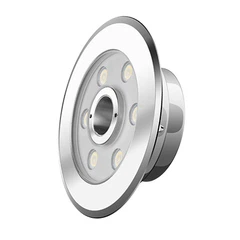
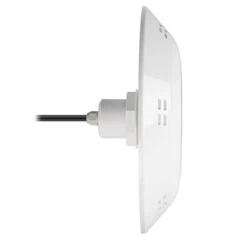
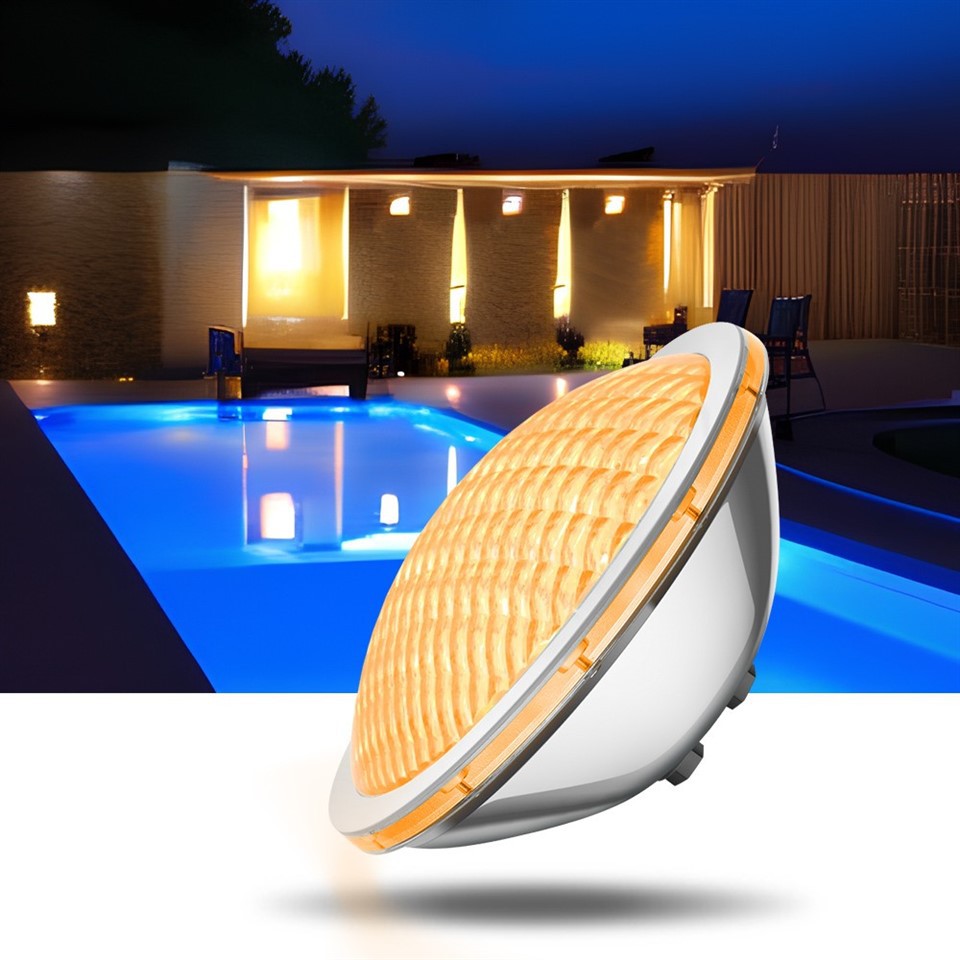
- Underwater Dimmable Lights: These lights are designed to be installed underwater, providing a beautiful glow that illuminates the pool from within. They are typically made with waterproof materials and are engineered to withstand the harsh pool environment. Underwater dimmable lights can be used to create various lighting effects, such as color - changing patterns or a soft, uniform glow. You can find more about the features of pool lights on this page: Pool Light.
- Above - water Dimmable Lights: These lights are installed around the pool perimeter, such as on the deck or in the landscaping. Above - water dimmable lights can enhance the overall aesthetics of the pool area and provide additional safety by illuminating the surrounding area. They come in a variety of styles, including spotlights, floodlights, and path lights, allowing you to customize the lighting design to your preferences.
- Fiber - optic Dimmable Lights: Fiber - optic pool lights use thin, flexible fibers to transmit light from a central light source to the pool area. They are known for their energy efficiency and ability to create unique lighting effects. Fiber - optic dimmable lights can be dimmed to create a soft, ethereal glow, adding a touch of elegance to the pool.
Considerations When Choosing Dimmable Pool Lights
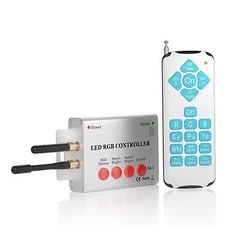
- Compatibility: It's crucial to ensure that the dimmer switch you choose is compatible with the type of pool lights you have. Different types of lights require different dimming methods, and using an incompatible dimmer can result in poor performance or even damage to the lights.
- Waterproof Rating: Since pool lights are exposed to water, they must have a high waterproof rating. The The Significance Of IP68 Certification For Swimming Pool Lights provides detailed information on the importance of a proper waterproof rating. IP68 is the highest rating, indicating that the light is completely dust - tight and can be submerged in water at a specified depth for a certain period without any damage.
- Color Temperature: The color temperature of the pool lights can also affect the overall ambiance. Warmer color temperatures (around 2700K - 3000K) create a cozy and inviting atmosphere, while cooler color temperatures (around 4000K - 5000K) provide a brighter and more energetic feel. You can choose the color temperature based on your personal preference and the intended use of the pool area.
The Future of Pool Lighting Dimming
The pool lighting industry is constantly evolving, and the future of pool lighting dimming looks very promising. With advancements in technology, we can expect to see more innovative features and improved performance. For example, smart pool lighting systems are becoming increasingly popular. These systems can be controlled remotely via a smartphone app, allowing you to adjust the light intensity, color, and even create custom lighting schedules.
In addition, there is a growing trend towards more energy - efficient and sustainable pool lighting solutions. As the demand for environmental sustainability increases, manufacturers are focusing on developing lights that consume less energy without compromising on quality or performance. You can learn more about the development of pool lights on Pool Light Development.

Conclusion
In conclusion, pool lighting can definitely be dimmed, and dimmable pool lights offer numerous benefits, including ambiance creation, energy efficiency, and a longer lifespan. When choosing dimmable pool lights, it's important to consider factors such as compatibility, waterproof rating, and color temperature. As a pool lighting supplier, we are committed to providing the highest quality dimmable pool lights to meet your needs.
If you're interested in purchasing dimmable pool lights for your pool or have any questions about our products, we'd be more than happy to assist you. Contact us today to start a discussion about how our pool lighting solutions can transform your pool area.
References
- "Lighting Basics: LED Lighting", Lighting Research Center, Rensselaer Polytechnic Institute
- "Understanding Pool Lighting Technology", Pool & Spa News Magazine
- "The Future of Smart Home Lighting", Consumer Technology Association