






As a supplier of underwater lights, I often encounter various questions from customers, and one frequent query is whether underwater lights can be used in cold water. This topic is not only relevant to the practical application of our products but also crucial for ensuring the safety and efficiency of underwater lighting. In this blog, I'll delve into the technical aspects, potential challenges, and benefits of using underwater lights in cold water, offering insights based on our experience in the industry.
Technical Capabilities of Underwater Lights in Cold Water
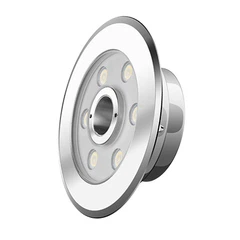
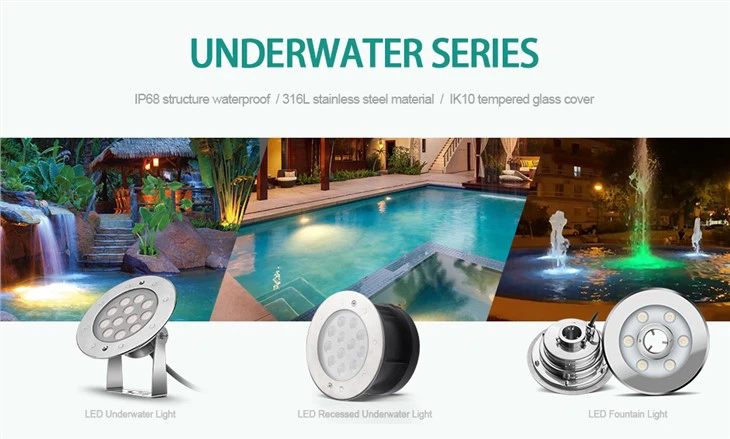
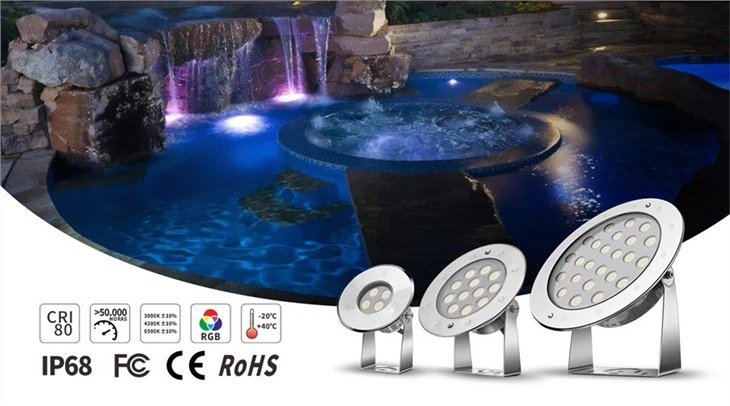
Underwater lights are designed to operate in diverse aquatic environments, including those with cold water. Most of our underwater lights are built with high - quality materials that can withstand low temperatures. For example, the housing of our lights is typically made of durable plastics or corrosion - resistant metals such as stainless steel. These materials maintain their structural integrity even in cold conditions, preventing water leakage and protecting the internal electrical components.
The LEDs used in our underwater lights are also engineered to perform well in cold water. LEDs are solid - state lighting devices, which means they have no filaments or glass components that could break due to temperature changes. In fact, cold temperatures can sometimes enhance the efficiency of LEDs. According to a study by the Lighting Research Center at Rensselaer Polytechnic Institute, LEDs generally have better luminous efficacy at lower temperatures. This means that in cold water, our underwater lights can produce more light output for the same amount of energy input, providing brighter illumination for your underwater spaces.
Potential Challenges
While underwater lights are technically capable of working in cold water, there are some potential challenges that users should be aware of. One of the main concerns is the formation of condensation. When a warm light is placed in cold water, the temperature difference can cause water vapor to condense inside the light fixture. If not properly managed, this condensation can damage the electrical components and reduce the lifespan of the light.
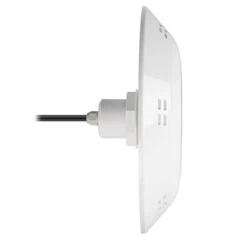
To address this issue, our underwater lights are equipped with advanced ventilation and sealing systems. The ventilation system allows air to circulate inside the fixture, equalizing the temperature and reducing the likelihood of condensation. The high - quality seals prevent water from seeping into the light, protecting the internal components from moisture damage.
Another challenge is the impact of cold water on the battery performance, especially for battery - powered underwater lights. Cold temperatures can reduce the chemical reaction rate inside the battery, leading to a decrease in battery capacity and a shorter runtime. To mitigate this problem, we recommend using high - performance batteries designed for low - temperature operation. Additionally, our battery - powered underwater lights are designed with energy - efficient circuits to maximize the use of available battery power.
Benefits of Using Underwater Lights in Cold Water
There are several benefits to using underwater lights in cold water environments. For aquariums, cold - water fish often thrive in well - lit environments. The light can enhance the colors of the fish and the beauty of the aquatic plants, creating a more visually appealing display. It also helps the fish to establish a regular day - night cycle, which is important for their overall health and well - being.
In swimming pools and spas, underwater lights in cold water can provide a unique and inviting atmosphere. The combination of cold water and soft, illuminated light can create a relaxing and refreshing experience for users. Moreover, proper lighting in cold - water pools is essential for safety, allowing swimmers to see clearly and avoid potential hazards.
Related Resources
If you want to learn more about underwater lights, you can visit our About Underwater Light page, where you can find detailed information about the types, functions, and applications of underwater lights. For those interested in the installation and features of underwater lamps, our Underwater lamps insist on lamps and features page offers comprehensive guidance. And if you're wondering what color underwater light is best for your specific needs, check out our What Color Underwater Light Is Best page.
Conclusion
In conclusion, underwater lights can indeed be used in cold water. With the right design and technology, our underwater lights can overcome the challenges associated with cold - water environments and provide reliable, efficient, and beautiful illumination. Whether you have a cold - water aquarium, a swimming pool, or a spa, our underwater lights can enhance the aesthetics and functionality of your underwater space.
If you're interested in purchasing underwater lights for your cold - water applications, we invite you to contact us for a detailed discussion. Our team of experts is ready to assist you in selecting the most suitable products based on your specific requirements. We look forward to working with you to create a stunning underwater lighting solution.
References
- Lighting Research Center at Rensselaer Polytechnic Institute. "Temperature Effects on LED Performance."
- Industry reports on underwater lighting technology and applications.