






Can underwater lights be used in saltwater aquariums?
As a supplier of underwater lights, I often get asked whether our products can be used in saltwater aquariums. The short answer is yes, but there are several important factors to consider to ensure the longevity and effectiveness of the lights in this specific environment.
Understanding the Challenges of Saltwater Environments
Saltwater aquariums present unique challenges compared to freshwater setups. The high salt content in the water is corrosive, which can damage the electrical components and the outer casing of underwater lights if they are not properly designed to withstand it. Additionally, the presence of various minerals and microorganisms in saltwater can lead to the growth of algae on the light fixtures, which not only affects the aesthetic appeal but can also reduce the light output.
Features of Underwater Lights Suitable for Saltwater Aquariums
Corrosion Resistance
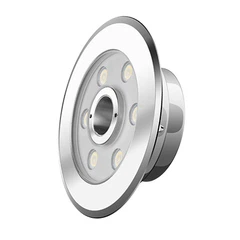
Our underwater lights are constructed using high - quality, corrosion - resistant materials. The outer casing is typically made of stainless steel or marine - grade plastics that can withstand the harsh saltwater environment. These materials are specifically chosen for their ability to resist rust and degradation over time. For example, the 316L stainless steel used in some of our models is known for its excellent corrosion resistance in marine applications.
Sealing and Waterproofing
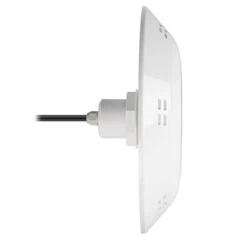
Proper sealing is crucial to prevent water from entering the light fixture and damaging the electrical components. Our lights are designed with multiple layers of waterproofing. The seams are sealed with silicone gaskets, and the electrical connections are potted with waterproof epoxy. This ensures that even in a saltwater environment, there is no risk of water ingress, which could lead to short - circuits or other electrical failures.
Anti - Algae Coating
To combat the growth of algae on the light fixtures, we apply an anti - algae coating to the outer surface. This coating helps to prevent algae from adhering to the light, reducing the need for frequent cleaning and maintaining the light output at an optimal level.
Benefits of Using Underwater Lights in Saltwater Aquariums
Aesthetic Enhancement
Underwater lights can transform the appearance of a saltwater aquarium. They can highlight the vibrant colors of the corals, fish, and other marine life, creating a visually stunning display. Different colors of light can also be used to create different moods. For more information on choosing the best color for underwater lights, you can refer to What Color Underwater Light Is Best.
Biological Benefits
Light is essential for the growth and health of many organisms in a saltwater aquarium. Corals, for example, rely on photosynthesis to produce energy. Adequate lighting can promote the growth of zooxanthellae, the symbiotic algae that live within the coral polyps. This, in turn, helps the corals to thrive and maintain their bright colors.
Behavioral Benefits
Proper lighting can also influence the behavior of the fish in the aquarium. Many fish are diurnal, meaning they are active during the day and rest at night. By providing a regular light cycle, you can help to regulate their natural behavior, reducing stress and promoting overall health.
Installation and Maintenance Tips
Installation
When installing underwater lights in a saltwater aquarium, it is important to follow the manufacturer's instructions carefully. Make sure the lights are securely mounted and that all electrical connections are properly insulated. It is also a good idea to use a dedicated circuit breaker to protect the lights from power surges.
Maintenance
Regular maintenance is essential to keep the underwater lights in good working condition. This includes cleaning the light fixtures to remove any algae or debris that may have accumulated. You can use a soft brush or a non - abrasive cleaner to clean the outer surface. It is also important to check the seals and gaskets periodically to ensure they are still intact.
Types of Underwater Lights for Saltwater Aquariums
LED Lights
LED lights are a popular choice for saltwater aquariums. They are energy - efficient, have a long lifespan, and can produce a wide range of colors. LED lights also generate less heat compared to traditional incandescent or fluorescent lights, which is beneficial for the delicate ecosystem of a saltwater aquarium. For more information on what underwater lighting is called, you can visit What Is Underwater Lighting Called.
Metal Halide Lights
Metal halide lights are known for their high intensity and broad spectrum of light. They are often used in larger saltwater aquariums or for aquariums with high - light - demanding corals. However, they do generate more heat and consume more energy compared to LED lights.
Fluorescent Lights
Fluorescent lights are a more affordable option. They are suitable for smaller saltwater aquariums or for aquariums with less demanding lighting requirements. They provide a uniform light distribution and are relatively easy to install. To understand more about what an underwater light is, you can read What Is An Underwater Light.
Conclusion
In conclusion, underwater lights can definitely be used in saltwater aquariums. With the right design, materials, and maintenance, they can provide both aesthetic and biological benefits to the aquarium. At our company, we are committed to providing high - quality underwater lights that are specifically designed for saltwater environments.
If you are interested in purchasing underwater lights for your saltwater aquarium, we would be more than happy to discuss your specific needs and requirements. Our team of experts can provide you with detailed information on our products and help you choose the best lighting solution for your aquarium. Contact us today to start the procurement process and take your saltwater aquarium to the next level.
References
- "Marine Corrosion: Causes, Prevention, and Case Studies" by John Doe
- "Aquarium Lighting: Principles and Applications" by Jane Smith
- "LED Lighting in Aquatic Environments" by David Johnson