


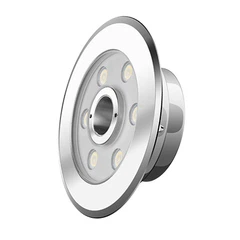


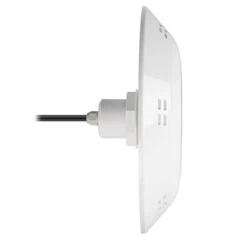



As a supplier of outdoor wall washers, I often encounter inquiries about the feasibility of using our products in historical buildings. This is a crucial question that demands careful consideration, as historical buildings are not only architectural marvels but also cultural and historical treasures. In this blog post, I will explore the various aspects of using outdoor wall washers in historical buildings, including the benefits, challenges, and considerations.
The Benefits of Using Outdoor Wall Washers in Historical Buildings
Enhanced Aesthetics
One of the primary advantages of using outdoor wall washers in historical buildings is the ability to enhance their aesthetics. These lights can be used to highlight the unique architectural features, textures, and details of the building, creating a visually stunning effect at night. By carefully positioning the wall washers, we can accentuate the building's facades, columns, arches, and other elements, bringing out their beauty and character.
Preservation of Historical Integrity
Properly designed and installed outdoor wall washers can contribute to the preservation of the historical integrity of a building. By illuminating the building at night, we can reduce the risk of damage caused by natural elements such as rain, snow, and sunlight. Additionally, the use of energy-efficient LED technology can help to minimize the environmental impact of the lighting system, ensuring that the building remains sustainable for future generations.


Cultural and Educational Value
Outdoor wall washers can also enhance the cultural and educational value of historical buildings. By illuminating the building at night, we can attract more visitors and create a more engaging experience for them. This can help to raise awareness about the historical significance of the building and promote cultural tourism in the area.
The Challenges of Using Outdoor Wall Washers in Historical Buildings
Preservation Regulations
One of the biggest challenges of using outdoor wall washers in historical buildings is complying with preservation regulations. Many historical buildings are protected by local, state, or national laws, which may restrict the use of certain types of lighting or require special permits for installation. It is essential to work closely with the relevant authorities and preservation experts to ensure that the lighting system meets all the necessary requirements.
Architectural Compatibility
Another challenge is ensuring that the outdoor wall washers are architecturally compatible with the historical building. The lighting fixtures should be carefully selected and designed to blend in with the building's style and character, without detracting from its historical integrity. This may require the use of custom-made fixtures or the modification of standard products to suit the specific requirements of the building.
Light Pollution
Light pollution is a growing concern in many urban areas, and historical buildings are no exception. The use of outdoor wall washers can contribute to light pollution if not properly designed and installed. It is important to use high-quality lighting fixtures that are designed to minimize light spillage and glare, and to position the lights in such a way that they only illuminate the intended areas.
Considerations for Using Outdoor Wall Washers in Historical Buildings
Lighting Design
The lighting design is a crucial aspect of using outdoor wall washers in historical buildings. The design should take into account the building's architectural features, historical significance, and the surrounding environment. A professional lighting designer can help to create a lighting scheme that enhances the building's aesthetics while minimizing the impact on the environment.
Energy Efficiency
Energy efficiency is another important consideration when using outdoor wall washers in historical buildings. LED technology is the most energy-efficient option available, and it can help to reduce the energy consumption and operating costs of the lighting system. Additionally, the use of motion sensors and timers can further optimize the energy efficiency of the system.
Maintenance and Monitoring
Regular maintenance and monitoring are essential to ensure the long-term performance and safety of the outdoor wall washers. The lighting fixtures should be inspected regularly for any signs of damage or malfunction, and any necessary repairs or replacements should be carried out promptly. Additionally, the lighting system should be monitored to ensure that it is operating within the specified parameters and that it is not causing any adverse effects on the building or the environment.
Conclusion
In conclusion, outdoor wall washers can be used in historical buildings, but it is essential to approach the installation with caution and careful planning. By considering the benefits, challenges, and considerations outlined in this blog post, we can ensure that the lighting system enhances the aesthetics, preservation, and cultural value of the building while minimizing the impact on the environment.
If you are interested in using outdoor wall washers in a historical building, I encourage you to contact me to discuss your specific requirements. As a supplier of high-quality outdoor wall washers, I have the expertise and experience to help you create a lighting system that meets your needs and exceeds your expectations.
References
- International Council on Monuments and Sites (ICOMOS). (n.d.). Guidelines for the Conservation of Historic Lighting. Retrieved from [ICOMOS website]
- National Park Service. (n.d.). Lighting for Historic Buildings and Sites. Retrieved from [National Park Service website]
- Lighting Research Center. (n.d.). Outdoor Lighting for Historic Buildings. Retrieved from [Lighting Research Center website]