


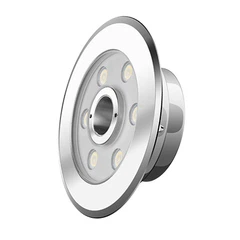


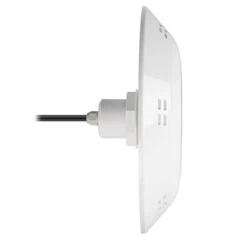


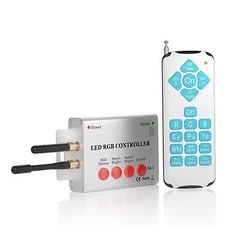
Do fountain lights generate heat? That's a question I get asked a lot as a fountain lights supplier. And it's a valid one, especially when you're thinking about installing these lights in your outdoor fountain. So, let's dive right in and explore this topic.


First off, it's important to understand how fountain lights work. Most of the fountain lights we supply are LED lights. LEDs, or Light - Emitting Diodes, have become the go - to choice for fountain lighting in recent years. Unlike traditional incandescent bulbs, which produce light by heating a filament until it glows, LEDs work through a process called electroluminescence. In simple terms, when an electric current passes through a semiconductor material in the LED, it emits light.
Now, back to the question: do they generate heat? The short answer is yes, but not as much as you might think. LEDs are much more energy - efficient than incandescent bulbs. Incandescent bulbs convert a large portion of the electrical energy they consume into heat, with only about 10% being turned into light. On the other hand, LEDs convert around 80 - 90% of the energy into light, and the remaining 10 - 20% is dissipated as heat.
This heat generation in LEDs isn't a bad thing in all cases. In an outdoor fountain, a small amount of heat can actually be beneficial. For example, in colder climates, the slight heat produced by the fountain lights can help prevent the water around the lights from freezing. This is particularly useful if you want to keep your fountain running year - round.
However, too much heat can cause problems. If the heat isn't properly dissipated, it can shorten the lifespan of the LED lights. That's why most of the high - quality fountain lights we supply are designed with heat - dissipation mechanisms. These can include heat sinks, which are usually made of metal and help transfer the heat away from the LED chips. Some lights also have ventilation channels to allow air to circulate and cool the components.
When it comes to choosing the right fountain lights for your needs, you need to consider the heat factor. If you have a small fountain with limited space for heat to disperse, you might want to go for lower - wattage LED lights. They'll produce less heat and are less likely to cause overheating issues. On the other hand, if you have a large fountain with good water circulation, you can opt for higher - wattage lights, as the water can help carry away the heat.
Another aspect to think about is the color of the light. Different colors of LED lights can generate different amounts of heat. For instance, blue and white LEDs tend to produce a bit more heat compared to red LEDs. This is because the semiconductor materials used to produce these colors have different energy requirements.
Now, if you're in the market for outdoor fountains, you might be wondering What Are The Best Outdoor Fountains. The right fountain can enhance the beauty of your outdoor space, and the right fountain lights can take it to the next level.
One thing that's crucial for fountain lights is their tightness. You don't want water seeping into the electrical components, which could not only damage the lights but also pose a safety hazard. That's why we always recommend checking the tightness of the underwater lights. To learn more about About Fountain Light, Underwater Light Tightness Test, you can click on the link.
In conclusion, fountain lights do generate heat, but with modern LED technology, the amount of heat is relatively manageable. By choosing the right lights, considering factors like heat dissipation and color, and ensuring proper installation, you can enjoy beautiful, long - lasting fountain lighting.
If you're interested in purchasing high - quality fountain lights for your outdoor space, we're here to help. We offer a wide range of fountain lights in different colors, wattages, and styles to suit your specific needs. Whether you have a small backyard fountain or a large commercial water feature, we've got the right solution for you. Reach out to us for a consultation and let's work together to make your fountain shine!
References
- General knowledge of LED technology and lighting industry standards.
- Research on heat dissipation in LED products.