






Do fountain lights work in hot weather? This is a question that many customers often ask me as a supplier of fountain lights. Having been in the industry for several years, I have gained a wealth of knowledge and experience regarding how fountain lights perform under different weather conditions, especially hot weather. In this blog post, I will delve into the factors influencing the operation of fountain lights in hot weather and provide insights to help you make informed decisions.
Understanding the Impact of Heat on Fountain Lights
Fountain lights come in various types, including LED lights, which are the most common due to their energy - efficiency, long lifespan, and bright illumination. When it comes to hot weather, several factors can potentially affect the functionality of these lights.
Temperature and Electrical Components
One of the primary concerns in hot weather is the effect of high temperatures on the electrical components of fountain lights. For instance, the driver circuits of LED lights are sensitive to heat. When the temperature rises, the resistance in the electrical conductors increases. This can lead to a decrease in the efficiency of the driver, which is responsible for converting the electrical input into a suitable output for the LEDs.


Excessive heat can also cause the soldering joints in the electrical components to weaken over time. If the solder joints break, it can result in a loss of electrical connection and cause the light to malfunction. Moreover, the heat - caused expansion and contraction of the electronic components can lead to mechanical stress, which may eventually damage the internal structure of the driver or other electrical parts.
LED Lights and Heat Dissipation
LEDs themselves are sensitive to heat. LEDs produce light by passing an electric current through a semiconductor material. During this process, a certain amount of heat is generated. In normal operating conditions, LED lights are designed to dissipate this heat effectively. However, in hot weather, the ambient temperature is already high, which makes it more challenging for the LEDs to release their excess heat.
When LEDs overheat, their performance can be significantly affected. The light output may decrease, and the color of the light may shift. This phenomenon is known as color temperature drift. For example, a white LED that is supposed to emit a cool - white light may start to emit a warmer - toned light when it overheats. In addition, overheating can also reduce the lifespan of the LEDs, causing them to fail prematurely.
How Our Fountain Lights Are Designed to Withstand Hot Weather
As a supplier of fountain lights, we are well - aware of the challenges posed by hot weather. That is why we have taken several measures to ensure that our fountain lights can work effectively in such conditions.
Advanced Heat Dissipation Design
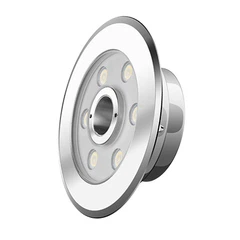
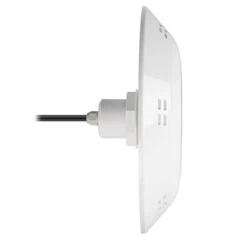
Our fountain lights are equipped with advanced heat dissipation systems. For example, many of our LED fountain lights feature heat sinks. Heat sinks are made of materials with high thermal conductivity, such as aluminum. They absorb the heat generated by the LEDs and transfer it to the surrounding environment. In addition, we also design the housing of our fountain lights with ventilation holes to allow for better air circulation, which helps to further dissipate heat.
High - Quality Electrical Components
We use high - quality electrical components that are designed to withstand high temperatures. Our driver circuits are tested rigorously in high - temperature environments to ensure their stability and performance. The soldering processes used in our products are also carefully controlled to prevent joint failures due to heat. This ensures that our fountain lights can maintain a consistent electrical connection and operate smoothly even in hot weather.
Weather - Resistant Materials
The housing of our fountain lights is made of weather - resistant materials. These materials can protect the internal components from the elements, including high temperatures and direct sunlight. For example, we use UV - resistant plastics and corrosion - resistant metals. This not only enhances the durability of the fountain lights but also helps to maintain their performance in hot and sunny conditions.
Case Studies and Customer Experiences
Over the years, we have received positive feedback from many customers who have used our fountain lights in hot weather regions. For example, a customer in the southwestern United States installed our Led Color Changing Pool Fountain in their backyard pool. Despite the scorching summer temperatures, the fountain light continued to function well, providing a beautiful color - changing display in the pool.
Another customer in the Middle East purchased our Color Changing Pool Fountain for a commercial project. The fountain was exposed to extreme heat and strong sunlight on a daily basis. However, after several months of operation, the customer reported that the fountain light was still in perfect working condition, with no discernible decrease in light output or color quality.
Precautions for Using Fountain Lights in Hot Weather
Although our fountain lights are designed to withstand hot weather, there are still some precautions that customers should take to ensure their optimal performance.
Installation Location
Choose an appropriate installation location for the fountain lights. Avoid installing them in areas that are directly exposed to sunlight for long periods or in places where there is poor air circulation. For example, if you are installing an outdoor fountain light, place it in a shaded area or an area with good natural ventilation.
Regular Maintenance
Regular maintenance is essential for the longevity of fountain lights, especially in hot weather. Check the electrical connections periodically to ensure they are secure. Clean the heat sinks and ventilation holes regularly to remove any dust or debris that may obstruct heat dissipation.
Water Environment
If your fountain lights are used in a water environment, such as a pool or a pond, make sure the water quality is properly maintained. High levels of chemicals or impurities in the water can corrode the fountain lights and affect their performance.
Conclusion
In conclusion, fountain lights can work effectively in hot weather, provided they are properly designed and maintained. As a supplier, we are committed to providing high - quality fountain lights that can withstand the challenges of hot temperatures. Our 24v led water fountain outdoor products are equipped with advanced heat dissipation systems, high - quality electrical components, and weather - resistant materials to ensure their performance and durability.
If you are in the market for fountain lights and have concerns about their performance in hot weather, feel free to contact us for more information. We are always ready to assist you in choosing the right fountain lights for your needs and providing professional advice on installation and maintenance. Let's work together to create a beautiful and functional fountain lighting solution for your space.
References
- "LED Lighting Handbook", published by the Illuminating Engineering Society.
- "Thermal Management of Electronic Devices", a research paper from the Institute of Electrical and Electronics Engineers.