


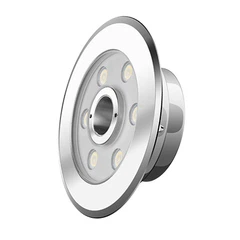


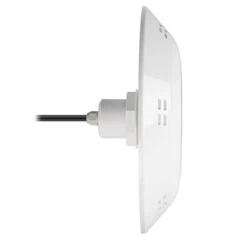


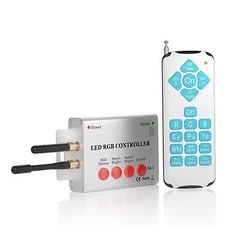
As a seasoned LED ground lights supplier, I've encountered numerous questions from customers over the years. One particularly common query that keeps coming up is, "Do LED ground lights produce a lot of heat?" This question is not just a trivial concern; it relates to the safety, efficiency, and longevity of the lighting products. In this blog post, I'll delve into this topic, explore the technical aspects, and share some insights based on our experience in the industry.
How LED Ground Lights Work
Before we can answer whether LED ground lights produce a lot of heat, we need to understand how these lights operate. LED, or Light-Emitting Diode, is a semiconductor device that converts electrical energy into light. Unlike traditional incandescent bulbs, which produce light by heating a filament until it glows, LEDs generate light through a process called electroluminescence.
When an electric current passes through the semiconductor material in an LED, electrons recombine with holes, releasing energy in the form of photons (light). This process is highly efficient because it directly converts electricity into light with minimal waste. In contrast, incandescent bulbs convert only about 10% of the electrical energy into light, with the remaining 90% being wasted as heat.
Heat Generation in LED Ground Lights
While LEDs are much more efficient than incandescent bulbs, they are not entirely heat-free. Some energy is still lost as heat during the operation of LEDs. The amount of heat produced depends on several factors, including the design of the LED chip, the quality of the components, and the operating conditions.
- LED Chip Design: High-quality LED chips are designed to minimize heat generation. Manufacturers use advanced semiconductor materials and fabrication techniques to improve the efficiency of the light-emitting process. For example, some LEDs are made with materials that have a higher electron mobility, allowing electrons to move more freely and reducing the amount of energy lost as heat.
- Component Quality: The quality of other components in the LED ground light, such as the driver and the heat sink, also affects heat generation. A well-designed driver can regulate the electrical current flowing through the LED, ensuring that it operates at optimal efficiency. A good heat sink, on the other hand, helps to dissipate heat away from the LED chip, preventing it from overheating.
- Operating Conditions: The environment in which the LED ground light operates can also impact heat generation. If the light is installed in a confined space with poor ventilation, the heat generated by the LED may not be able to dissipate effectively, causing the temperature to rise. Similarly, operating the light at high temperatures or in direct sunlight can also increase heat generation.
Comparing Heat Output of LED Ground Lights with Other Lighting Options
To better understand how much heat LED ground lights produce, let's compare them with other common lighting options:
- Incandescent Lights: As mentioned earlier, incandescent lights are extremely inefficient when it comes to converting electrical energy into light. They produce a significant amount of heat, which can be a fire hazard in some applications. For example, a 60-watt incandescent bulb can reach temperatures of up to 250°C (482°F) when in use.
- Halogen Lights: Halogen lights are an improved version of incandescent lights, but they still produce a lot of heat. They are typically more energy-efficient than incandescent bulbs, but they can still operate at high temperatures, making them unsuitable for some applications.
- Fluorescent Lights: Fluorescent lights are more energy-efficient than incandescent and halogen lights, but they also produce some heat. The heat generated by fluorescent lights is mainly due to the ballast, which is required to start and operate the lamp.
- LED Ground Lights: LED ground lights are the most energy-efficient lighting option available. They produce very little heat compared to other types of lights, making them a safer and more reliable choice for outdoor lighting applications. In fact, most LED ground lights operate at temperatures below 50°C (122°F), which is significantly lower than the temperature of incandescent and halogen lights.
Benefits of Low Heat Generation in LED Ground Lights
The low heat generation of LED ground lights offers several benefits:


- Safety: Reduced heat output means that LED ground lights are less likely to cause fires or burns. This makes them a safer choice for outdoor lighting, especially in areas where there is a risk of contact with people or flammable materials.
- Energy Efficiency: Since less energy is wasted as heat, LED ground lights require less power to operate than other types of lights. This translates into lower energy bills and reduced environmental impact.
- Longevity: High temperatures can shorten the lifespan of electronic components. By producing less heat, LED ground lights are less likely to experience thermal stress, which can improve their reliability and longevity.
- Design Flexibility: The low heat output of LED ground lights allows for more flexible design options. They can be installed in close proximity to other objects or in confined spaces without the risk of overheating.
Tips for Managing Heat in LED Ground Lights
While LED ground lights produce less heat than other types of lights, it's still important to take steps to manage heat effectively. Here are some tips:
- Choose High-Quality Products: Invest in high-quality LED ground lights from a reputable supplier. Look for lights that are designed with efficient heat sinks and drivers to ensure optimal performance.
- Proper Installation: Follow the manufacturer's instructions for installing the LED ground lights. Make sure to provide adequate ventilation and avoid installing the lights in direct sunlight or in areas where they may be exposed to high temperatures.
- Regular Maintenance: Periodically inspect the LED ground lights to ensure that they are functioning properly. Clean the lights and heat sinks to remove any dirt or debris that may impede heat dissipation.
Conclusion
In conclusion, LED ground lights do not produce a lot of heat compared to other types of lighting. Their low heat generation is one of the many advantages that make them a popular choice for outdoor lighting applications. By understanding how LED ground lights work and taking steps to manage heat effectively, you can enjoy the benefits of energy-efficient, safe, and long-lasting lighting.
If you're interested in learning more about LED ground lights, I recommend checking out these resources: Introduction Of Buried Lights, The Correct Installation Method Of Buried Lights, and Outdoor Lighting Design Considerations.
If you're in the market for high-quality LED ground lights, I invite you to contact me to discuss your specific needs. We offer a wide range of LED ground lights that are designed to meet the highest standards of quality and performance. Let's work together to create the perfect outdoor lighting solution for your project.
References
- "Solid-State Lighting Technology: A Primer." U.S. Department of Energy, Energy Efficiency and Renewable Energy.
- "LED Lighting Basics." Lighting Research Center, Rensselaer Polytechnic Institute.
- "Energy Efficiency & Conservation Block Grant Program: LED Lighting." City of Portland, Bureau of Planning and Sustainability.