


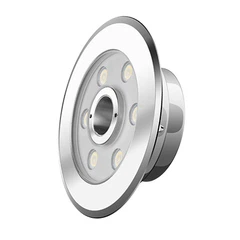


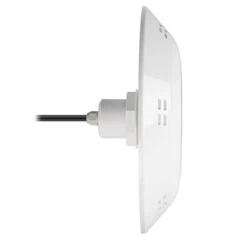


Do pool light fixtures need to be inspected regularly? That's a question I get asked a lot as a pool light fixtures supplier. And let me tell you, the answer is a resounding yes!


First off, safety is the number one reason why regular inspections are a must. Pool light fixtures are installed in and around water, which is a high - risk environment. Electrical components in these fixtures can be prone to damage over time. Water can seep into the fixture, causing short - circuits or other electrical malfunctions. These issues not only pose a danger to swimmers but also increase the risk of fire. For example, if a wire inside the fixture gets exposed due to wear and tear, and water comes into contact with it, it can lead to an electric shock. Regular inspections can catch these problems early on, before they turn into serious safety hazards.
Another important aspect is performance. Over time, pool light fixtures can lose their efficiency. The bulbs may start to dim, or the reflectors might get dirty or corroded. This can result in poor lighting in and around the pool. If you've ever tried to swim in a poorly lit pool, you know how difficult and even dangerous it can be. Dim lighting can make it hard to see the edges of the pool, steps, or any obstacles in the water. By inspecting the fixtures regularly, you can replace bulbs that are nearing the end of their lifespan and clean or replace reflectors as needed. This ensures that your pool remains well - lit, enhancing both the safety and the enjoyment of the swimming experience.
Let's talk about the aesthetic side of things. Pool light fixtures are not just functional; they also add to the overall look of your pool area. A well - lit pool can create a beautiful and inviting atmosphere, whether it's for a late - night swim or a poolside party. But if the lights are not working properly, it can really ruin the ambiance. For instance, if some of the lights are out or flickering, it can make the pool area look shabby. Regular inspections can help you maintain the visual appeal of your pool by keeping all the lights in good working condition.
Now, let's get into the details of what a regular inspection should involve. When inspecting pool light fixtures, you should start by checking the bulbs. Make sure they are not burned out or damaged. You can refer to The Choice Of Luminous Flux Of Lamps And Lanterns to understand how to choose the right bulbs for your pool lighting needs. Next, examine the housing of the fixture. Look for any signs of cracks, leaks, or corrosion. Water damage can be a major issue, so it's important to catch it early.
The wiring is another critical component to inspect. Check for any frayed wires, loose connections, or signs of overheating. Faulty wiring can not only cause the lights to malfunction but also pose a serious safety risk. You may also want to inspect the mounting of the fixtures. Make sure they are securely attached to the pool wall or deck. Loose fixtures can fall into the pool, which is obviously a hazard.
In addition to these basic checks, it's also a good idea to test the functionality of the lights. Turn them on and off to see if they are working properly. Check for any flickering or inconsistent lighting. If you notice any problems during the inspection, it's important to address them right away.
As a pool light fixtures supplier, I've seen firsthand the importance of regular inspections. I've had customers come to me with all sorts of problems, from simple bulb replacements to major electrical issues. In many cases, these problems could have been avoided with regular inspections.
When it comes to pool perimeter lighting, regular inspections are equally important. Pool Perimeter Lighting helps to define the boundaries of the pool and provides additional safety. Just like the in - pool fixtures, perimeter lights can also be affected by weather conditions, water exposure, and general wear and tear. Inspecting these lights regularly ensures that they are functioning correctly and providing the necessary illumination.
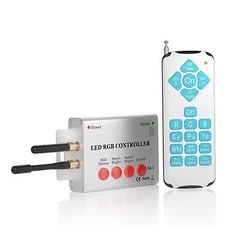
Swimming pool luminaires also require attention. Swimming Pool Luminaires come in a variety of styles and designs, each with its own set of components that need to be inspected. Some luminaires may have complex control systems that need to be checked for proper operation. Others may have decorative elements that can be damaged over time. By inspecting these luminaires regularly, you can keep them looking and working their best.
So, if you're a pool owner, I highly recommend scheduling regular inspections for your pool light fixtures. It doesn't have to be a complicated or time - consuming process. You can do a basic inspection yourself on a monthly basis, and then have a professional come in for a more thorough inspection at least once a year.
If you're in the market for new pool light fixtures or need replacement parts, I'm here to help. As a supplier, I offer a wide range of high - quality pool light fixtures that are designed to be durable and energy - efficient. Whether you're looking for simple in - pool lights or elaborate perimeter lighting systems, I can provide you with the products you need.
Don't hesitate to reach out if you have any questions about pool light fixtures or the inspection process. I'm always happy to share my knowledge and expertise to help you keep your pool safe, well - lit, and beautiful. Let's work together to make your pool the best it can be.
References:
- General knowledge about pool safety and lighting maintenance.
- Industry standards and best practices for pool light fixture inspections.