






Do recessed ground lights require any special ventilation? This is a question that often comes up among customers, architects, and landscape designers. As a leading supplier of recessed ground lights, I am here to provide you with a detailed and professional answer.
Understanding Recessed Ground Lights
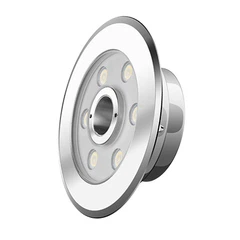
Recessed ground lights, also known as in - ground lights, are fixtures installed below the ground surface. They are commonly used in outdoor settings such as gardens, walkways, and commercial landscapes to provide illumination, enhance safety, and create an aesthetically pleasing atmosphere. Our company offers a wide range of recessed ground lights, including Outdoor Ground Garden Lights and Outside Ground Lights, which are designed to meet various lighting needs.
The Need for Ventilation in General
Ventilation serves several important purposes in lighting fixtures. Firstly, it helps to dissipate heat. All lighting sources generate heat during operation. Excessive heat can reduce the lifespan of the light source, cause damage to the internal components of the fixture, and even pose a fire hazard in extreme cases. Secondly, ventilation can prevent the buildup of moisture. Moisture can lead to corrosion of the electrical parts, short - circuits, and a decrease in the overall performance of the light.
Factors Affecting the Ventilation Requirement of Recessed Ground Lights
1. Light Source Type
- LED Lights: Most of our recessed ground lights use LED technology. LEDs are more energy - efficient and generate less heat compared to traditional incandescent or halogen bulbs. For example, our ac100 240v underground light is equipped with high - quality LEDs. Since LEDs produce less heat, the ventilation requirements for LED - based recessed ground lights are generally lower. However, some heat is still generated, especially when the LEDs are operating at high power levels for extended periods.
- Other Light Sources: If the recessed ground lights use incandescent or halogen bulbs, they generate a significant amount of heat. In such cases, proper ventilation is crucial to ensure the safety and longevity of the fixture.
2. Installation Environment
- Soil Conditions: When recessed ground lights are installed in the soil, the soil can act as a heat sink. However, it can also retain moisture. If the soil has poor drainage, there is a higher risk of moisture buildup around the light fixture. In this situation, ventilation becomes more important to remove the excess moisture.
- Surrounding Structures: If the lights are installed near walls or other structures that may block the natural flow of air, the ventilation may be restricted. This can lead to an increase in temperature and moisture inside the fixture, necessitating special ventilation measures.
3. Fixture Design
- Enclosure Material: The material of the fixture enclosure can affect ventilation. For example, metal enclosures are better conductors of heat compared to plastic enclosures. However, metal is also more prone to corrosion if exposed to moisture. Some fixtures are designed with a combination of materials to balance heat dissipation and protection against moisture.
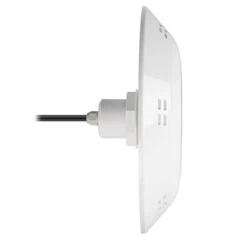
- Ventilation Holes and Channels: Well - designed recessed ground lights may have built - in ventilation holes or channels. These features allow air to circulate inside the fixture, helping to remove heat and moisture. The size, number, and location of these ventilation openings are carefully considered during the design process to ensure optimal performance.
Special Ventilation for Recessed Ground Lights
In most cases, modern recessed ground lights, especially those using LED technology, do not require extremely special ventilation. However, there are some situations where additional ventilation measures may be necessary:
1. High - Power Applications
If you are using high - power recessed ground lights to illuminate large areas or to create a more intense lighting effect, the heat generated will be higher. In such cases, we may recommend installing additional ventilation fans or using a ventilation system with larger air channels to ensure effective heat dissipation.
2. Harsh Environments
In areas with high humidity, heavy rainfall, or extreme temperature variations, special ventilation is essential. For example, in coastal areas where the air is salty and humid, the risk of corrosion is high. We may suggest using fixtures with enhanced ventilation and anti - corrosion coatings to protect the internal components.
3. Enclosed Installations
When recessed ground lights are installed in enclosed or semi - enclosed spaces, such as in a concrete pit or a box, natural ventilation may be limited. In these situations, mechanical ventilation systems can be installed to ensure proper air circulation.
Our Approach to Ventilation in Recessed Ground Lights
As a supplier, we take ventilation seriously in the design and manufacturing of our recessed ground lights. Our R & D team conducts extensive testing to optimize the ventilation design of each product. We ensure that the fixtures have a proper balance between heat dissipation and protection against moisture. For example, we use advanced sealing techniques to prevent water ingress while still allowing for some air circulation. We also provide detailed installation instructions to ensure that the lights are installed in a way that maximizes the natural ventilation.
Conclusion
In conclusion, while recessed ground lights do not always require special ventilation, there are several factors that need to be considered. The type of light source, installation environment, and fixture design all play a role in determining the ventilation requirements. Our company is committed to providing high - quality recessed ground lights that are safe, reliable, and efficient. Whether you need ventilation - enhanced fixtures for a specific project or standard models for general use, we have the right products for you.


If you are interested in our recessed ground lights or have any questions about ventilation requirements, feel free to contact us for further discussion. We look forward to working with you on your next lighting project.
References
- "LED Lighting Handbook" - A comprehensive guide on LED technology and its applications in lighting fixtures.
- Industry standards and guidelines for outdoor lighting fixtures, which cover safety, performance, and ventilation requirements.
- Research papers on the heat dissipation and moisture management in underground lighting systems.