


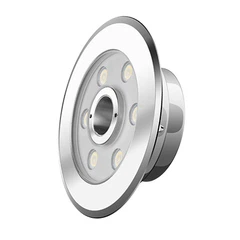


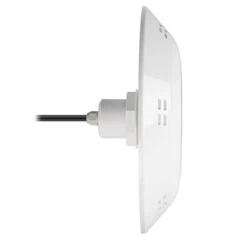


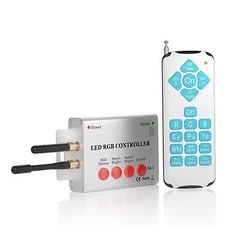
Hey there, pool enthusiasts! I'm a supplier of top - notch swimming pool lights, and today I'm going to break down how motion - activated swimming pool lights work. You know, having the right lighting in your pool can really transform the whole experience, whether it's for a late - night swim or just to add some ambiance to your backyard. And motion - activated lights take it to a whole new level of convenience and safety.
The Basics of Motion - Activated Technology
First off, let's talk about what motion activation means. In simple terms, these lights are designed to turn on when they detect movement in or around the pool. It's like having a little guard that keeps an eye out and brightens up the place as soon as something's up.
There are two main types of motion sensors used in these lights: passive infrared (PIR) sensors and ultrasonic sensors.
Passive Infrared (PIR) Sensors
PIR sensors are super common. They work by detecting changes in infrared radiation. Every object that has a temperature above absolute zero emits infrared energy. When a person or an animal moves within the sensor's range, there's a change in the infrared pattern in that area. The PIR sensor picks up on this change and triggers the light to turn on.
The great thing about PIR sensors is that they're pretty energy - efficient. They're always on the lookout, but they don't consume a lot of power until they actually detect motion. And they're also quite reliable in most conditions. However, they do have some limitations. For example, they can be affected by things like direct sunlight or extreme temperature changes. If it's really hot outside, the background infrared levels might be high, and the sensor could have a harder time distinguishing between normal heat and the heat from a moving object.
Ultrasonic Sensors
Ultrasonic sensors work in a different way. They emit high - frequency sound waves that bounce off objects in the area. When something moves, the pattern of the reflected sound waves changes. The sensor then analyzes these changes and activates the light.
One advantage of ultrasonic sensors is that they can detect motion through certain types of materials. So, if there's a small obstruction or a thin barrier, they might still be able to sense movement. But they can also be a bit more sensitive to false triggers. For instance, strong winds or vibrations from nearby machinery can cause the sound wave patterns to change and make the light turn on even when there's no real motion.
Components of Motion - Activated Swimming Pool Lights
Now, let's take a look at the different parts that make up a motion - activated swimming pool light.
The Sensor Unit
This is the heart of the system. As we just discussed, it's responsible for detecting motion. The sensor unit is usually placed in a strategic location around the pool, where it has a good view of the area that you want to monitor. It needs to be protected from water damage, so it's often housed in a waterproof casing.
The Light Source
There are several types of light sources used in pool lights, such as LED (Light - Emitting Diode) and halogen. LEDs are becoming increasingly popular because they're energy - efficient, long - lasting, and can produce a wide range of colors. Halogen lights, on the other hand, give off a warm, bright light, but they consume more energy and have a shorter lifespan.
The Control Circuit
The control circuit is like the brain of the light. It receives signals from the sensor unit and decides when to turn the light on and off. It can also control other functions, such as the brightness of the light or the duration it stays on after detecting motion.
The Power Supply
Motion - activated pool lights need a reliable power source. Some lights are hard - wired directly into your home's electrical system, while others use batteries. Hard - wired lights provide a constant and stable power supply, but they require professional installation. Battery - powered lights are more flexible and easier to install, but you'll need to replace the batteries regularly.

Installation and Placement
Getting the installation and placement right is crucial for the proper functioning of motion - activated pool lights.
Where to Place the Sensors
You want to place the sensors in areas where they can cover the most ground. For example, if you have a large pool, you might want to place sensors at different corners or along the edges. This way, they can detect motion from all directions. And make sure to mount them at a proper height. If they're too low, they might get blocked by debris or plants. If they're too high, they might not be able to detect motion close to the ground.
Mounting the Lights
When it comes to mounting the lights themselves, you have a few options. One popular choice is Wall Mounted Pool Lights. These lights are attached to the pool wall, and they can provide a great illumination from the side. They're also relatively easy to install and maintain. You can find out more about their features at Wall-mounted Swimming Pool Light Features.
Benefits of Motion - Activated Pool Lights
There are several reasons why motion - activated pool lights are a great addition to any pool.
Safety
One of the biggest benefits is safety. If someone accidentally falls into the pool at night, the motion - activated lights will turn on immediately, making it easier to see and potentially preventing an accident. They also act as a deterrent for unwanted visitors. If a stranger approaches the pool area, the sudden illumination can scare them off.
Energy Savings
Since the lights only turn on when they detect motion, you're not wasting energy by keeping them on all the time. This can lead to significant savings on your electricity bill over time.
Ambiance
Motion - activated lights can also add a cool, dynamic element to your pool. Imagine having a pool party at night, and every time someone jumps in or moves around, the lights come on and create a fun, changing atmosphere.
Maintenance and Troubleshooting
Like any other piece of equipment, motion - activated pool lights need some maintenance.
Cleaning
Regularly clean the sensor and the light housing. Dirt, leaves, and other debris can build up over time and affect the performance of the sensor. Use a soft cloth and a mild cleaning solution to wipe them down.
Checking the Power Supply
If you have hard - wired lights, make sure the electrical connections are secure. For battery - powered lights, check the battery levels regularly and replace the batteries when needed.
Troubleshooting False Triggers
If you're getting a lot of false triggers, try adjusting the sensitivity of the sensor. You might also want to check if there are any sources of interference, such as strong winds or nearby electronics.
Conclusion
So, there you have it - a breakdown of how motion - activated swimming pool lights work. These lights are a great combination of convenience, safety, and energy efficiency. Whether you're a pool owner looking to upgrade your lighting or a contractor working on a new pool project, motion - activated lights are definitely worth considering.
If you're interested in purchasing high - quality swimming pool lights, including motion - activated ones, don't hesitate to reach out to me. I'm here to help you find the perfect lighting solution for your pool. Let's have a chat about your needs and see how we can make your pool shine!
References
- "Swimming Pool Lighting Handbook" - A comprehensive guide on all aspects of pool lighting.
- "Motion Sensor Technology: Principles and Applications" - A technical book that explains the science behind motion sensors.