


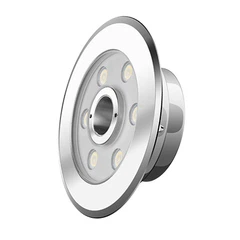


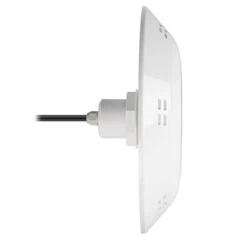


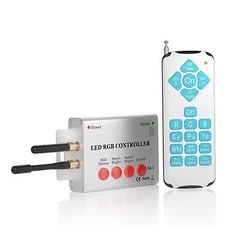
Hey there! As a supplier of aluminum lights, I've had the chance to see firsthand how they stack up against lights made from other materials. In this blog, I'll break down the key differences and benefits of aluminum lights compared to their counterparts.
Weight and Portability
One of the most noticeable advantages of aluminum lights is their weight. Aluminum is a lightweight metal, which makes aluminum lights much easier to handle and install compared to lights made from heavier materials like steel or cast iron. This is especially important for applications where portability is key, such as outdoor events or construction sites.
For example, if you're setting up a temporary lighting system for a concert or a festival, you'll want lights that are easy to transport and set up. Aluminum lights can be carried around with ease, and they won't put too much strain on your back or shoulders. On the other hand, steel or cast iron lights can be extremely heavy, making them difficult to move and install.
Durability and Resistance
Despite their lightweight, aluminum lights are surprisingly durable. Aluminum is a corrosion-resistant metal, which means it can withstand harsh weather conditions and exposure to moisture without rusting or deteriorating. This makes aluminum lights ideal for outdoor use, where they may be exposed to rain, snow, and extreme temperatures.
In addition to their corrosion resistance, aluminum lights are also resistant to impact and vibration. This means they can withstand being bumped or jostled without breaking or malfunctioning. For example, if you're using lights on a construction site, they may be subject to a lot of movement and vibration. Aluminum lights can handle this kind of abuse without any problems, ensuring that they continue to work properly.
Heat Dissipation
Another important advantage of aluminum lights is their ability to dissipate heat. Aluminum is a good conductor of heat, which means it can transfer heat away from the light source quickly and efficiently. This helps to prevent the light from overheating, which can reduce its lifespan and performance.
For example, if you're using high-powered LED lights, they can generate a lot of heat. If this heat isn't dissipated properly, it can cause the LEDs to degrade over time, reducing their brightness and color accuracy. Aluminum lights can help to prevent this from happening by dissipating the heat away from the LEDs, ensuring that they stay cool and perform at their best.
Energy Efficiency
Aluminum lights are also more energy-efficient compared to lights made from other materials. This is because aluminum is a good reflector of light, which means it can help to direct the light where it's needed. This reduces the amount of light that is wasted, which in turn reduces the amount of energy that is consumed.
For example, if you're using aluminum lights to illuminate a large area, they can help to ensure that the light is evenly distributed and focused on the areas that need it most. This means you can use fewer lights to achieve the same level of illumination, which can save you money on your energy bills.
Cost
When it comes to cost, aluminum lights are generally more affordable compared to lights made from other materials. This is because aluminum is a relatively inexpensive metal, and it's also easy to manufacture. This means that aluminum lights can be produced at a lower cost, which is then passed on to the consumer.


However, it's important to note that the cost of aluminum lights can vary depending on the quality and features of the light. For example, high-end aluminum lights with advanced features like dimming or color-changing capabilities may be more expensive than basic aluminum lights.
Comparison with Other Materials
Now that we've looked at the advantages of aluminum lights, let's compare them to lights made from other materials.
Steel Lights
Steel lights are heavier and more durable compared to aluminum lights. They're also more resistant to impact and vibration, which makes them ideal for use in industrial or commercial settings. However, steel lights are more prone to rusting and corrosion, especially if they're exposed to moisture. They're also less energy-efficient compared to aluminum lights, as steel is a poor reflector of light.
Cast Iron Lights
Cast iron lights are even heavier and more durable compared to steel lights. They're also very resistant to impact and vibration, which makes them ideal for use in harsh environments. However, cast iron lights are extremely heavy, which makes them difficult to handle and install. They're also very prone to rusting and corrosion, which can reduce their lifespan and performance.
Plastic Lights
Plastic lights are lightweight and affordable, but they're not as durable or resistant to impact and vibration compared to aluminum lights. They're also more prone to cracking and breaking, especially if they're exposed to extreme temperatures or sunlight. Plastic lights are also less energy-efficient compared to aluminum lights, as plastic is a poor conductor of heat and a poor reflector of light.
Conclusion
In conclusion, aluminum lights offer a number of advantages compared to lights made from other materials. They're lightweight, durable, resistant to corrosion and impact, and they have excellent heat dissipation and energy efficiency. They're also more affordable compared to lights made from other materials, making them a great choice for a wide range of applications.
If you're in the market for new lights, I highly recommend considering aluminum lights. They're a reliable and cost-effective option that will provide you with years of trouble-free use. And if you have any questions or need help choosing the right aluminum lights for your needs, don't hesitate to contact me. I'd be happy to help you find the perfect lighting solution for your project.
If you're interested in learning more about our aluminum lights, check out our Led Pool Light Flashing, Pool Edge Lighting, and ac100 240v lighting aluminum products.
References
- "Aluminum Lighting Fixtures: Advantages and Applications." Lighting Research Center, Rensselaer Polytechnic Institute.
- "Comparing Aluminum and Steel Lighting Fixtures." Electrical Contractor Magazine.
- "The Benefits of Using Aluminum in Lighting Design." Architectural Lighting Magazine.