






Hey there! As a supplier of plastic lights, I've often been asked how plastic lights stack up against halogen lights. In this blog, I'll break down the differences between these two types of lighting, sharing insights based on my experience in the industry.
Let's start with the basics. Halogen lights have been around for quite a while. They work by passing an electric current through a tungsten filament, which gets so hot that it emits light. It's a simple and well - understood technology. On the other hand, plastic lights, especially those using LED technology, are a more modern alternative.
1. Energy Efficiency
One of the most significant differences between plastic lights and halogen lights is energy efficiency. Halogen lights are notorious for being energy hogs. A large portion of the energy they consume is converted into heat rather than light. For instance, a typical halogen bulb might convert only about 20% of the energy it uses into visible light, with the remaining 80% going to waste as heat.
Plastic LED lights, on the other hand, are extremely energy - efficient. They can convert up to 80 - 90% of the energy they consume into light. This means that for the same amount of light output, a plastic LED light will use a fraction of the energy that a halogen light does. If you're looking to cut down on your electricity bills, plastic LED lights are the way to go. For example, if you have a large swimming pool that needs lighting, using 12v rgb led swimming pool light instead of halogen lights can result in significant savings over time.
2. Lifespan
The lifespan of a light source is another crucial factor to consider. Halogen lights have a relatively short lifespan. On average, a halogen bulb might last around 2,000 - 4,000 hours. This means that you'll have to replace them frequently, especially if they're used for long periods.
Plastic LED lights, in contrast, have an incredibly long lifespan. They can last up to 50,000 hours or more. This is a huge advantage, as you won't have to worry about constantly replacing the lights. For a swimming pool, where changing lights can be a hassle, using ac12v rgb led pool light means less maintenance and more time enjoying your pool.
3. Heat Emission
As mentioned earlier, halogen lights produce a lot of heat. This can be a problem in many situations. For example, in a small enclosed space, the heat from halogen lights can make the area uncomfortably warm. It can also be a fire hazard if the lights come into contact with flammable materials.
Plastic LED lights produce very little heat. They stay cool to the touch even after being on for a long time. This makes them much safer to use, especially in areas where there are children or pets. If you have a 12v swimming pool with led lights, the low heat emission of plastic LED lights is an added bonus, as it won't heat up the pool water.
4. Light Quality
When it comes to light quality, both halogen and plastic LED lights have their pros and cons. Halogen lights produce a warm, natural - looking light that is similar to sunlight. This can create a cozy and inviting atmosphere, which is why they're often used in residential settings.
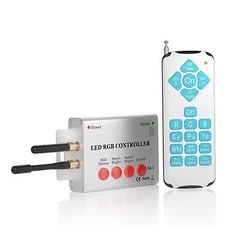
Plastic LED lights, however, offer a wider range of color options. They can produce a variety of colors, from warm white to cool white, and even RGB colors. This makes them ideal for creating different moods and effects. For a swimming pool, the ability to change the color of the lights can add a lot of fun and excitement. You can set the mood for a party or create a relaxing atmosphere for a quiet evening swim.
5. Durability
Halogen bulbs are relatively fragile. The tungsten filament inside the bulb is delicate and can easily break if the bulb is jostled or dropped. This makes them less suitable for areas where there might be movement or vibration.
Plastic LED lights, on the other hand, are very durable. They are made of sturdy plastic materials that can withstand bumps and knocks. They're also resistant to moisture, which makes them perfect for outdoor use, such as in a swimming pool.
6. Cost
Initially, halogen lights are usually cheaper to buy than plastic LED lights. However, when you consider the long - term costs, plastic LED lights are actually more cost - effective. The energy savings and the longer lifespan mean that you'll end up spending less money in the long run.
Let's say you're planning to light up a swimming pool. You could choose halogen lights, which are cheaper upfront but will cost more in electricity and replacement bulbs over time. Or you could invest in plastic LED lights, which may cost a bit more at first but will save you money in the long - term.
7. Environmental Impact
Halogen lights are not very environmentally friendly. Their high energy consumption means that they contribute more to greenhouse gas emissions. Also, since they have a short lifespan, more bulbs end up in landfills.


Plastic LED lights, on the other hand, are much more eco - friendly. Their energy efficiency reduces the demand for electricity, which in turn reduces the carbon footprint. And with their long lifespan, fewer lights need to be disposed of.
In conclusion, while halogen lights have their place, plastic lights, especially those with LED technology, offer many advantages. They are more energy - efficient, have a longer lifespan, produce less heat, offer better light quality options, are more durable, and are more environmentally friendly.
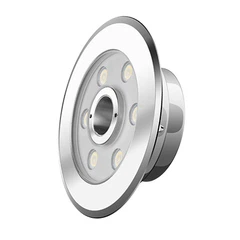
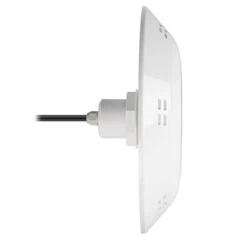
If you're interested in purchasing plastic lights for your swimming pool or any other application, I'd love to talk to you. Whether you need 12v rgb led swimming pool light, ac12v rgb led pool light, or 12v swimming pool with led lights, I can provide you with high - quality products at competitive prices. Don't hesitate to reach out to me for more information or to start a purchase negotiation.
References
- "Lighting Basics: Halogen vs. LED" - General lighting industry knowledge and research.
- "Energy Efficiency of Different Lighting Technologies" - Energy research reports.
- "The Lifespan of Lighting Sources" - Lighting product manufacturers' specifications.