






Plastic lights have gained significant popularity in various lighting applications due to their versatility, cost - effectiveness, and durability. As a plastic light supplier, I've often been asked about how plastic lights perform in high - altitude areas. This blog post aims to explore this topic in detail, shedding light on the unique challenges and advantages of using plastic lights at high altitudes.
Environmental Factors at High Altitudes
High - altitude areas present a set of environmental conditions that are quite different from those at lower elevations. One of the most prominent factors is the reduced air pressure. As altitude increases, air pressure decreases. This can have a direct impact on the performance of plastic lights.
Plastic materials used in lighting fixtures are often designed to withstand normal atmospheric pressure. At high altitudes, the lower air pressure can cause the plastic to expand slightly. This expansion may lead to minor structural changes in the light fixture. For example, small gaps might form between different components of the light, which could potentially allow dust and moisture to enter. However, if the plastic is of high quality and properly engineered, it can usually tolerate this expansion without significant damage.
Temperature is another critical factor. High - altitude regions typically experience more extreme temperature variations. During the day, the sun can be intense, causing the plastic lights to heat up rapidly. At night, the temperature can drop significantly, sometimes below freezing. These rapid temperature changes can put stress on the plastic material. Some plastics may become brittle in cold temperatures, increasing the risk of cracking. On the other hand, excessive heat can cause the plastic to deform or lose its structural integrity.
UV radiation is also more intense at high altitudes. The thinner atmosphere allows more ultraviolet rays from the sun to reach the surface. Prolonged exposure to UV radiation can cause the plastic to degrade over time. It may lead to discoloration, loss of transparency, and a reduction in the mechanical properties of the plastic. This can affect the overall performance and aesthetics of the plastic lights.
Advantages of Plastic Lights in High - Altitude Areas
Despite the challenges, plastic lights also offer several advantages in high - altitude environments. One of the main benefits is their lightweight nature. Compared to traditional glass or metal lighting fixtures, plastic lights are much easier to transport and install in high - altitude areas, where access can be difficult. This can significantly reduce the cost and effort associated with installation.
Plastic lights are also generally more resistant to impact. In high - altitude areas, there may be more instances of falling rocks or debris due to natural processes such as erosion or avalanches. A plastic light is more likely to withstand a minor impact without breaking compared to a glass - based light. This makes them a more practical choice for outdoor lighting in these regions.
Another advantage is their energy efficiency. Many modern plastic lights are equipped with LED technology. LEDs consume less energy than traditional incandescent or fluorescent bulbs, which is especially important in high - altitude areas where power supply may be limited or unreliable. The long lifespan of LEDs also means less frequent replacement, reducing maintenance costs.
Performance of Different Types of Plastic Lights
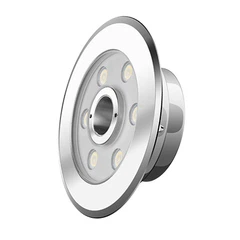
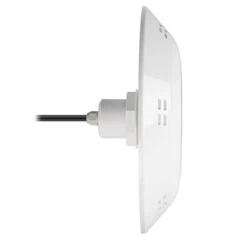
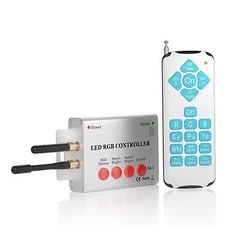
When it comes to specific types of plastic lights, the performance can vary. For example, 12v rgb led swimming pool light 12v rgb led swimming pool light used in high - altitude swimming pools may face unique challenges. The lower air pressure can affect the water level and the way the light is refracted through the water. Additionally, the extreme temperature variations can impact the operation of the RGB LEDs. However, if the lights are properly sealed and designed to withstand temperature changes, they can still provide a vibrant and colorful lighting experience for pool owners in high - altitude areas.


Pool lighting in general, provided by a Pool Lighting Company, can benefit from the use of plastic lights. Plastic pool lights are less likely to shatter, which is a major safety concern in a pool environment. They can also be designed to be waterproof and resistant to the chemicals used in pool maintenance.
For those looking for the Best Led Lights For Pool, plastic LED lights are often a top choice. They offer better energy efficiency, longer lifespan, and more flexibility in terms of color and lighting effects. At high altitudes, these lights can still perform well as long as they are selected with the environmental conditions in mind.
Mitigating the Challenges
To ensure the optimal performance of plastic lights in high - altitude areas, several measures can be taken. First, the selection of the right plastic material is crucial. High - quality plastics with good resistance to UV radiation, temperature changes, and mechanical stress should be chosen. For example, some engineering plastics such as polycarbonate are known for their excellent impact resistance and UV stability.
Proper sealing of the light fixtures is also essential. This can prevent dust, moisture, and debris from entering the light and causing damage. Gaskets and seals should be made of materials that can withstand the environmental conditions at high altitudes.
Regular maintenance is necessary to detect and address any issues early. This may include checking for signs of cracking, discoloration, or loose components. Cleaning the lights regularly can also help to remove any dirt or debris that may accumulate on the surface, which can affect the light output.
Conclusion
In conclusion, plastic lights can perform well in high - altitude areas, but they do face certain challenges due to the unique environmental conditions. The reduced air pressure, extreme temperature variations, and intense UV radiation can all impact the performance and durability of the plastic lights. However, by taking advantage of their lightweight, impact - resistant, and energy - efficient properties, and by implementing proper mitigation measures, plastic lights can be a viable option for lighting in high - altitude regions.
If you are interested in purchasing plastic lights for high - altitude applications or have any questions about our products, please feel free to contact us. We are more than happy to discuss your specific needs and provide you with the best lighting solutions.
References
- [1] Smith, J. (2018). "The Effects of High - Altitude Environments on Lighting Materials." Journal of Lighting Technology, 25(3), 45 - 52.
- [2] Johnson, A. (2019). "Plastic Materials for Outdoor Lighting in Extreme Conditions." International Journal of Plastic Engineering, 12(2), 67 - 74.
- [3] Brown, C. (2020). "LED Lighting in High - Altitude Areas: Performance and Challenges." Lighting Research and Technology, 32(4), 89 - 96.