






Underwater pool lighting is not just a luxury but a functional addition to any swimming pool. As a Pool Lighting supplier, I've witnessed firsthand the transformative power of well - designed pool lights. In this blog, I'll delve into how underwater pool lighting works, exploring the technology, components, and benefits that make it an essential part of modern pool design.
The Basics of Underwater Pool Lighting
Underwater pool lights serve multiple purposes. They enhance the aesthetic appeal of the pool, making it a focal point even at night. They also improve safety by illuminating the pool area, allowing swimmers to see clearly and reducing the risk of accidents.
The most common types of underwater pool lights are incandescent, halogen, and LED. Each type has its own unique characteristics, but in recent years, LED lights have become the preferred choice due to their energy efficiency, long lifespan, and versatility.
How LED Underwater Pool Lights Work
LED stands for Light - Emitting Diode. Unlike traditional incandescent or halogen bulbs, which produce light by heating a filament, LEDs generate light through a process called electroluminescence. When an electric current is applied to the semiconductor material within the LED, electrons combine with electron holes, releasing energy in the form of photons (light).
Components of an LED Pool Light
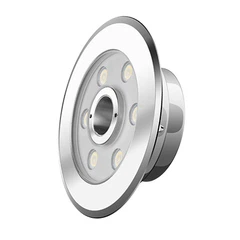
- LED Chips: These are the heart of the LED light. They come in different colors and intensities, allowing for a wide range of lighting effects. For example, RGB (Red, Green, Blue) LED chips can be combined to create millions of different colors, enabling dynamic color - changing effects in the pool.
- Driver: The driver is responsible for regulating the electrical current supplied to the LED chips. It ensures that the LEDs receive a stable and appropriate amount of power, which is crucial for their performance and longevity. A good driver also protects the LEDs from voltage fluctuations and overheating.
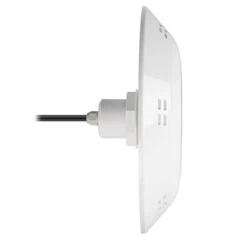
- Housing: The housing of an LED pool light is designed to be waterproof and durable. It protects the internal components from water damage and provides a secure mounting for the light. High - quality housings are typically made of materials such as stainless steel, plastic, or fiberglass, which are resistant to corrosion and chemicals commonly found in pool water.
Installation and Power Supply
LED pool lights are usually installed in niches within the pool wall or floor. The niche provides a waterproof enclosure for the light and allows for easy installation and maintenance. The power supply for the pool light is typically connected to a dedicated circuit breaker in the electrical panel, which is designed to handle the specific electrical requirements of the light.
Most LED pool lights operate on low voltage (usually 12V or 24V), which enhances safety. A transformer is used to step down the high - voltage electricity from the main power supply to the appropriate low voltage for the LED light.
Advantages of LED Underwater Pool Lighting
- Energy Efficiency: LED lights consume significantly less energy than incandescent or halogen lights. They can reduce energy costs by up to 80%, making them a cost - effective choice in the long run.
- Long Lifespan: LED pool lights have a much longer lifespan compared to traditional lights. They can last up to 50,000 hours or more, which means fewer replacements and less maintenance over time.
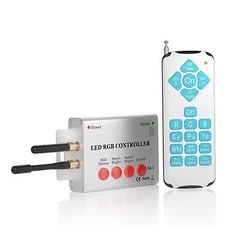
- Versatility: With RGB LED technology, pool owners can create a variety of lighting effects, such as color - changing shows, static colors, or synchronized lighting with music. This allows for a personalized and immersive pool experience.
- Safety: Low - voltage operation and waterproof design make LED pool lights safer for swimmers. They also produce less heat, reducing the risk of burns or fires.
Other Types of Pool Lighting and How They Work
Incandescent Pool Lights
Incandescent pool lights work by passing an electric current through a thin filament, which heats up and emits light. However, they are highly inefficient, as most of the energy is wasted as heat. They also have a relatively short lifespan and are more prone to burnout compared to LED lights.

Halogen Pool Lights
Halogen lights are a type of incandescent light that contains a small amount of halogen gas (such as iodine or bromine) inside the bulb. The halogen gas helps to recycle the tungsten filament, allowing the light to burn brighter and last longer than traditional incandescent lights. However, they still consume more energy than LED lights and generate a significant amount of heat.
Factors to Consider When Choosing Underwater Pool Lighting
- Lighting Effect: Consider the type of lighting effect you want to achieve in your pool. If you prefer a simple, static white light, a basic LED or incandescent light may be sufficient. However, if you want dynamic color - changing effects, an RGB LED light is the way to go.
- Energy Efficiency: As mentioned earlier, LED lights are the most energy - efficient option. Choosing an energy - efficient light can save you money on your electricity bills over time.
- Durability: The pool environment is harsh, with exposure to water, chemicals, and sunlight. Look for lights with a durable housing and high - quality components that can withstand these conditions. You can find more information about the Materials Used For Swimming Pool Lights.
- Safety: Ensure that the pool light is designed for underwater use and meets all relevant safety standards. Low - voltage operation is a key safety feature.
The Role of a Pool Lighting Supplier
As a Pool Lighting supplier, we play a crucial role in providing high - quality products and expert advice to our customers. We understand the technical aspects of pool lighting and can help customers choose the right lights for their specific needs.
We also offer installation and maintenance services to ensure that the pool lights are installed correctly and function properly. Our team of professionals has the knowledge and experience to handle all types of pool lighting installations, from simple single - light setups to complex multi - color lighting systems.
If you're interested in learning more about pool lighting, you can check out 3 Cool Facts About LED Swimming Pool Lights. And if you're considering partnering with a swimming pool light manufacturer, you may want to read What Conditions Should A Swimming Pool Light Manufacturer Have.
Conclusion
Underwater pool lighting is a fascinating technology that combines functionality and aesthetics. Whether you're looking to create a relaxing atmosphere or a vibrant party environment in your pool, there's a pool light solution for you. As a Pool Lighting supplier, we are committed to providing the best products and services to our customers.
If you're interested in purchasing pool lights for your pool, we'd love to have a conversation with you. Contact us to discuss your specific requirements, and let's work together to transform your pool into a stunning oasis with the perfect lighting.
References
- "LED Lighting Technology: Principles and Applications" by John A. Simmons
- "Swimming Pool and Spa Handbook" by the National Swimming Pool Foundation
- Industry reports and whitepapers on pool lighting technology