


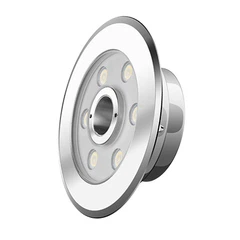


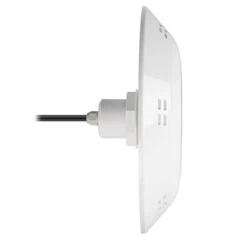


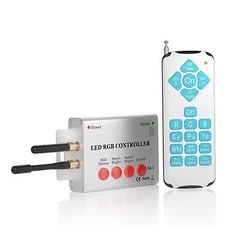
Selecting the right transformer for vinyl pool lights is a crucial decision that can significantly impact the performance, safety, and longevity of your pool lighting system. As a supplier of Vinyl Pool Lights, I understand the importance of this choice and am here to guide you through the process.
Understanding the Basics of Pool Light Transformers
Before delving into the selection process, it's essential to understand what a pool light transformer does. A transformer is an electrical device that changes the voltage of an alternating current (AC). In the context of pool lights, transformers are used to step down the standard household voltage (usually 120V or 240V) to a safer, lower voltage (typically 12V or 24V) that is suitable for underwater use. This reduction in voltage minimizes the risk of electrical shock, which is especially important in a wet environment like a swimming pool.
Factors to Consider When Selecting a Transformer
1. Voltage Compatibility
The first and most critical factor to consider is the voltage compatibility between the transformer and your vinyl pool lights. Most vinyl pool lights, such as the Led Vinyl Pool Light, operate at a low voltage of either 12V or 24V. You must ensure that the transformer you choose can provide the exact voltage required by your lights. Using a transformer with the wrong voltage can damage the lights, reduce their lifespan, or even pose a safety hazard.


2. Wattage Capacity
Another important consideration is the wattage capacity of the transformer. The wattage of a light is a measure of the amount of power it consumes. You need to select a transformer that can handle the total wattage of all the pool lights connected to it. For example, if you have multiple 12W Led Underwater Vinyl Swimming Pool Lights in your pool, you'll need to add up the wattages of all the lights and choose a transformer with a wattage capacity that exceeds this total. A transformer with insufficient wattage may overheat, leading to premature failure or even a fire hazard.
3. Safety Features
Safety should always be a top priority when dealing with electrical equipment in and around a pool. Look for a transformer that has built-in safety features such as ground fault circuit interrupters (GFCIs). GFCIs are designed to detect imbalances in electrical current and quickly shut off the power if a fault is detected, preventing electrical shock. Additionally, the transformer should be UL (Underwriters Laboratories) listed, which means it has been tested and meets strict safety standards.
4. Weather Resistance
Since pool lights and their transformers are often exposed to the elements, it's important to choose a transformer that is weather-resistant. Look for a transformer that is housed in a durable, waterproof enclosure. This will protect the internal components from moisture, humidity, and other environmental factors, ensuring reliable operation and a longer lifespan.
5. Size and Installation Requirements
Consider the size of the transformer and where you plan to install it. The transformer should be large enough to accommodate the wattage requirements but small enough to fit in the available space. Additionally, make sure the installation process is straightforward and that the transformer comes with clear instructions. Some transformers may require professional installation, especially if they are connected to high-voltage electrical systems.
Step-by-Step Guide to Selecting the Right Transformer
Step 1: Determine the Voltage and Wattage of Your Pool Lights
Check the product specifications of your Vinyl Liner Pool Lights to find out the required voltage and wattage. If you have multiple lights, add up the wattages to get the total wattage.
Step 2: Choose the Right Voltage for the Transformer
Select a transformer that provides the same voltage as your pool lights. Most vinyl pool lights operate at 12V or 24V, so choose a transformer with the appropriate output voltage.
Step 3: Calculate the Required Wattage Capacity
Based on the total wattage of your pool lights, choose a transformer with a wattage capacity that is at least 10-20% higher than the total wattage. This extra capacity allows for some margin of error and ensures that the transformer can handle the load without overheating.
Step 4: Look for Safety Features
Ensure that the transformer has built-in safety features such as GFCIs and is UL listed. These features provide an extra layer of protection and peace of mind.
Step 5: Consider Weather Resistance
Choose a transformer that is housed in a waterproof enclosure and is designed to withstand the outdoor elements. This will help prevent damage to the transformer and ensure reliable operation.
Step 6: Evaluate Size and Installation Requirements
Make sure the transformer is the right size for your available space and that you can install it safely and easily. If you're unsure, consult a professional electrician.
Conclusion
Selecting the right transformer for your vinyl pool lights is a critical step in ensuring the safety, performance, and longevity of your pool lighting system. By considering factors such as voltage compatibility, wattage capacity, safety features, weather resistance, and size, you can make an informed decision and choose a transformer that meets your needs.
If you have any questions or need further assistance in selecting the right transformer for your vinyl pool lights, please don't hesitate to contact us. We are a leading supplier of Vinyl Pool Lights and are committed to providing our customers with high-quality products and excellent customer service. Let's start a conversation about your pool lighting needs and find the perfect solution for you.
References
- National Electrical Code (NEC)
- Underwriters Laboratories (UL) Standards for Electrical Equipment