


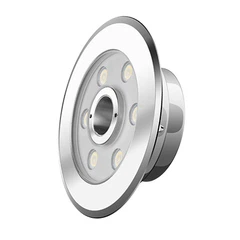


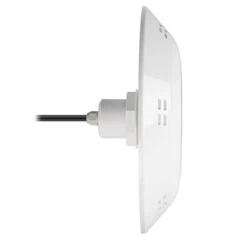


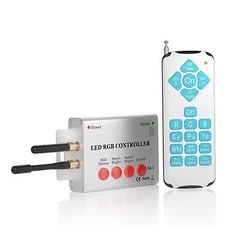
As a supplier of aluminum lights, I understand the importance of proper storage to ensure the quality and longevity of these products. Aluminum lights are widely used in various applications, including Pool Edge Lighting, AC12v LED Swimming Pool Light, and Led Pool Light Flashing. In this blog post, I will share some essential tips on how to store aluminum lights properly.
Understanding the Characteristics of Aluminum Lights
Before discussing storage methods, it's crucial to understand the characteristics of aluminum lights. Aluminum is a lightweight and corrosion-resistant metal, but it can still be damaged by improper storage conditions. The electrical components of the lights, such as LEDs and wiring, are also sensitive to environmental factors.
Aluminum lights are often designed for outdoor use, which means they need to withstand various weather conditions. However, during storage, they are more vulnerable to damage from moisture, dust, and physical impact. Therefore, proper storage can prevent issues such as corrosion, electrical malfunctions, and physical damage.
Choosing the Right Storage Location
The first step in proper storage is to choose the right location. Here are some factors to consider:
Temperature
Aluminum lights should be stored in a location with a stable temperature. Extreme temperatures can cause the aluminum to expand or contract, which may lead to structural damage. The ideal temperature range for storing aluminum lights is between 10°C and 30°C (50°F and 86°F). Avoid storing the lights in areas that are exposed to direct sunlight or near heat sources, such as heaters or furnaces.
Humidity
High humidity can cause corrosion on the aluminum surface and damage the electrical components. The storage area should have a relative humidity of less than 60%. If the storage area is prone to high humidity, consider using a dehumidifier to reduce the moisture level.
Ventilation
Proper ventilation is essential to prevent the accumulation of moisture and dust. The storage area should have good air circulation to keep the environment dry and clean. Avoid storing the lights in a closed, airtight space.
Protection from Physical Damage
The storage location should be free from potential sources of physical damage, such as heavy objects, sharp tools, or moving equipment. Store the lights on a stable shelf or in a storage cabinet to prevent them from being knocked over or crushed.
Preparing the Lights for Storage
Before storing the aluminum lights, it's important to prepare them properly. Here are some steps to follow:
Cleaning
Clean the lights thoroughly to remove any dirt, dust, or debris. Use a soft cloth or a mild cleaning solution to wipe the surface of the lights. Avoid using abrasive materials or harsh chemicals, as they can damage the aluminum finish.
Disassembling (if necessary)
If the lights are large or complex, consider disassembling them into smaller parts for easier storage. Make sure to label each part clearly to ensure easy reassembly. Keep all the small parts, such as screws and nuts, in a separate container.
Packaging
Package the lights in a suitable protective material to prevent physical damage during storage. Use bubble wrap, foam padding, or cardboard boxes to cushion the lights. If the lights have a glass or plastic cover, make sure to protect it with a soft material to prevent scratches.
Storing the Lights
Once the lights are prepared, it's time to store them. Here are some storage methods to consider:
Shelving
If you have a limited storage space, storing the lights on shelves is a good option. Make sure the shelves are strong enough to support the weight of the lights. Arrange the lights in an orderly manner to maximize the use of space.
Storage Cabinets
Storage cabinets provide a more secure and protected storage environment. They can prevent dust, moisture, and physical damage. Choose a cabinet that is made of a durable material, such as metal or wood. Make sure the cabinet has a lock to prevent unauthorized access.
Palletizing
If you have a large quantity of lights, palletizing is a more efficient storage method. Stack the lights on pallets and secure them with straps or shrink wrap. Palletizing allows for easy handling and transportation of the lights.
Regular Inspection
Even if the lights are stored properly, it's important to conduct regular inspections to ensure their quality. Here are some things to check during the inspection:
Corrosion
Check the surface of the lights for any signs of corrosion. If you notice any rust or discoloration, clean the affected area immediately and apply a protective coating.


Electrical Components
Inspect the electrical components, such as the LEDs and wiring, for any signs of damage or malfunction. If you notice any issues, repair or replace the components as soon as possible.
Packaging
Check the packaging to make sure it is still intact and providing adequate protection. If the packaging is damaged, replace it with a new one.
Conclusion
Proper storage of aluminum lights is essential to ensure their quality and longevity. By choosing the right storage location, preparing the lights for storage, and following the appropriate storage methods, you can prevent issues such as corrosion, electrical malfunctions, and physical damage. Regular inspection is also important to detect and address any problems early.
If you are interested in purchasing high-quality aluminum lights for your Pool Edge Lighting, AC12v LED Swimming Pool Light, or Led Pool Light Flashing needs, please feel free to contact us for more information and to discuss your specific requirements. We are committed to providing the best products and services to our customers.
References
- "Aluminum Corrosion and Protection" by the Aluminum Association.
- "Electrical Component Storage Guidelines" by the Institute of Electrical and Electronics Engineers (IEEE).