


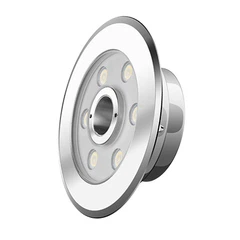


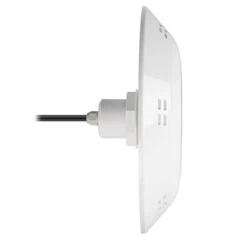


Hey there! As a supplier of RGB LED pool lights, I know how crucial it is to test these lights before installation. It not only ensures a smooth setup but also guarantees that you'll get the most out of your pool lighting experience. In this blog, I'll walk you through the steps to test your RGB LED pool lights before you install them.
Why Test Before Installation?
First off, let's talk about why testing is so important. Testing your RGB LED pool lights before installation helps you catch any potential issues early on. You don't want to go through the hassle of installing a light only to find out it's not working properly. By testing beforehand, you can save time, money, and frustration.
What You'll Need
Before you start testing, gather the following tools and materials:


- A power source that matches the voltage requirements of your LED pool light. Most RGB LED pool lights operate on low voltage, like the 12v rgb led swimming pool light which runs on 12 volts.
- A multimeter to check the electrical connections and voltage.
- A container filled with water (if you want to simulate pool conditions).
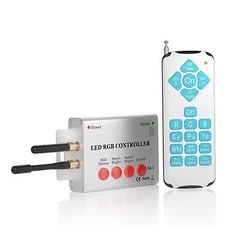
- The RGB LED pool light itself and its control system.
Step 1: Visual Inspection
The first step in testing your RGB LED pool light is to give it a good visual inspection. Look for any signs of damage, such as cracks, scratches, or loose parts. Check the wiring for any frayed or exposed wires. If you notice any damage, it's best to contact your supplier, like us, a Pool Lighting Company, for a replacement.
Step 2: Check the Electrical Connections
Once you've completed the visual inspection, it's time to check the electrical connections. Use a multimeter to measure the voltage of the power source. Make sure it matches the voltage requirements of your RGB LED pool light. If the voltage is too high or too low, it can damage the light.
Next, connect the light to the power source. Make sure all the connections are secure. If you're using a control system, connect it as well. The control system allows you to change the colors and lighting effects of the RGB LED pool light.
Step 3: Test the Basic Functionality
With the light connected to the power source, turn it on. Check if the light illuminates. If it doesn't, there could be an issue with the electrical connection or the light itself. Double - check the connections and make sure the power source is working.
If the light turns on, observe the color. RGB LED pool lights are designed to display a variety of colors. Try changing the colors using the control system. If you're unable to change the colors, there might be a problem with the control system or the light's programming.
Step 4: Test in Water (Optional but Recommended)
To get a more accurate test, you can simulate pool conditions by placing the light in a container filled with water. Make sure the container is large enough to fully submerge the light.
Before submerging the light, ensure that all the seals are intact. This prevents water from getting inside the light and causing damage. Once the light is submerged, turn it on and test the colors and lighting effects again.
Keep an eye out for any signs of water leakage. If you notice water inside the light or any electrical issues while it's submerged, turn off the power immediately and contact your supplier.
Step 5: Check the Lighting Effects
RGB LED pool lights come with various lighting effects, such as fading, flashing, and strobing. Test each of these effects using the control system. Make sure they work smoothly and there are no glitches.
Some control systems allow you to customize the lighting effects. Try creating your own custom patterns to see if the light responds correctly.
Step 6: Long - Term Testing
For a more comprehensive test, you can run the light for an extended period. This helps you identify any potential issues that might not show up during a short test. Leave the light on for at least a few hours and observe its performance.
Check if the light gets too hot. Overheating can be a sign of a problem with the light's cooling system or electrical components. If the light gets excessively hot, turn it off and contact your supplier.
Troubleshooting Common Issues
During the testing process, you might encounter some common issues. Here are some solutions:
- Light doesn't turn on: Check the power source, electrical connections, and fuses. Make sure the power switch is on.
- Incorrect colors: Reset the control system and make sure it's properly connected to the light. Check the programming settings.
- Water leakage: If you notice water inside the light, stop using it immediately. Contact your supplier for a replacement or repair.
Conclusion
Testing your RGB LED pool light before installation is an essential step to ensure a successful and enjoyable pool lighting experience. By following these steps, you can catch any potential issues early on and avoid costly mistakes.
If you're in the market for the Best Led Lights For Pool, look no further. We're a trusted supplier of high - quality RGB LED pool lights. Our lights are designed to provide long - lasting performance and a wide range of colorful lighting effects.
If you have any questions or need further assistance with testing or purchasing our RGB LED pool lights, don't hesitate to reach out. We're here to help you make the most of your pool lighting. Contact us today to start the procurement discussion and find the perfect pool light for your needs.
References
- General knowledge of RGB LED pool light technology and testing procedures.