






Yo, what's up everyone! I'm a supplier of plastic lights, and today I wanna have a chat about whether plastic lights are resistant to UV rays. It's a question that comes up a lot, especially when people are thinking about using plastic lights outdoors. So, let's dive right in and explore this topic.
First off, let's talk about what UV rays are. UV, or ultraviolet, rays are a type of electromagnetic radiation that comes from the sun. They're invisible to the human eye, but they can have a big impact on materials, including plastic. There are three types of UV rays: UVA, UVB, and UVC. UVC rays are mostly absorbed by the Earth's atmosphere, so we don't really have to worry about them. But UVA and UVB rays can reach the Earth's surface and cause damage to plastics.
Now, when it comes to plastic lights, not all plastics are created equal. Some plastics are more resistant to UV rays than others. For example, polycarbonate is a type of plastic that's known for its high UV resistance. It can withstand long - term exposure to sunlight without yellowing or becoming brittle too quickly. On the other hand, some cheaper plastics like polyvinyl chloride (PVC) may not be as resistant. PVC can start to degrade when exposed to UV rays over time, which can lead to cracking, discoloration, and a reduction in the light's performance.
So, how do we know if a plastic light is UV - resistant? Well, as a supplier, I always look at the specifications provided by the manufacturer. They usually mention whether the plastic used in the light has been treated or formulated to be UV - resistant. Some manufacturers add UV stabilizers to the plastic during the manufacturing process. These stabilizers help to absorb and dissipate the energy from UV rays, protecting the plastic from damage.
Another way to tell is by looking at the warranty. If a manufacturer offers a long - term warranty on their plastic lights, it's a good sign that they're confident in the UV resistance of their product. For example, if a light comes with a 5 - year warranty against UV - related damage, it means they've done some testing and believe the light can hold up well under sunlight.
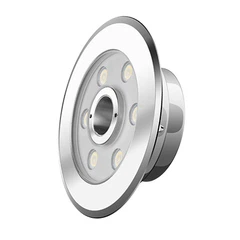
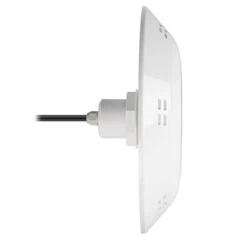
Let's talk about the practical applications of plastic lights and how UV resistance matters. One of the most common uses for plastic lights is in pool lighting. Pool lights are constantly exposed to sunlight when the pool is not covered, so UV resistance is crucial. A 12v rgb led swimming pool light made from a UV - resistant plastic will last longer and maintain its appearance and performance. You don't want a pool light that starts to look old and dingy after just a few months of use.
If you're in the market for pool lighting, you might want to check out a Pool Lighting Company. They can offer a range of plastic lights with different levels of UV resistance to suit your needs. Whether you have an indoor pool that gets some sunlight through a window or an outdoor pool that's fully exposed, they can help you find the right light.
When it comes to finding the Best Led Lights For Pool, UV resistance is just one factor to consider. You also want to think about the brightness, color options, and energy efficiency. But UV resistance is definitely up there on the list, especially if you want your pool lights to last.
Now, I know some of you might be wondering about the cost. UV - resistant plastic lights can sometimes be a bit more expensive than non - UV - resistant ones. But think about it this way: if you buy a cheap light that degrades quickly due to UV exposure, you'll end up spending more money in the long run because you'll have to replace it more often. So, it's worth investing in a higher - quality, UV - resistant plastic light.
As a supplier, I've seen firsthand the difference that UV resistance can make. I've had customers come back and tell me how happy they are with the long - lasting performance of our UV - resistant plastic lights. They've noticed that the lights still look great after years of use, even in harsh outdoor conditions.
If you're in the market for plastic lights, whether it's for a pool, a garden, or any other outdoor application, I encourage you to consider UV resistance. Don't just go for the cheapest option. Take the time to research and find a light that's made from a UV - resistant plastic. It'll save you money and hassle in the long run.
If you have any questions or want to discuss your plastic light needs, feel free to reach out. I'm here to help you make the right choice for your project. Whether you're a homeowner looking to spruce up your pool or a contractor working on a large - scale outdoor lighting project, I can provide you with the information and products you need. Let's have a chat and see how we can work together to get you the best plastic lights for your situation.


References
- "Polymer Science and Technology" by Charles A. Daniels
- "Plastics in Lighting Applications" - A research paper from a leading lighting industry journal