






As a supplier of RGB LED pool lights, one of the most common questions I encounter from customers is whether these lights are resistant to chlorine. Chlorine is a staple in pool maintenance, used to kill bacteria, viruses, and other harmful microorganisms, ensuring a safe and clean swimming environment. However, its chemical properties can be corrosive to many materials. So, let's delve into the science behind RGB LED pool lights and their chlorine resistance.
Understanding Chlorine and Its Effects
Chlorine exists in pool water in various forms, primarily as hypochlorous acid (HOCl) and hypochlorite ions (OCl-). The balance between these two forms depends on the pH level of the pool water. Hypochlorous acid is a more effective disinfectant and is also more reactive and corrosive than hypochlorite ions. When pool water has a lower pH (more acidic), the concentration of hypochlorous acid increases, potentially increasing the corrosive effects on pool equipment.
The corrosive nature of chlorine can damage different components of pool lights. It can cause discoloration, pitting, and degradation of the light housing, lens, and electrical connections. Over time, this can lead to water ingress, electrical shorts, and ultimately, the failure of the pool light.
Construction and Materials of RGB LED Pool Lights
RGB LED pool lights are designed with multiple layers of protection to withstand the harsh pool environment, including exposure to chlorine. The key components of these lights and their materials play a crucial role in their chlorine resistance:
-
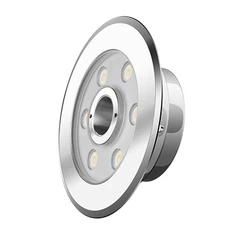
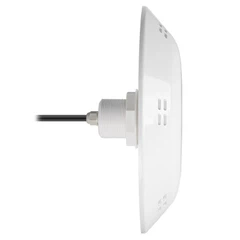
Light Housing: The outer housing of RGB LED pool lights is typically made of high - quality plastics or stainless steel. High - grade plastics, such as polycarbonate or acrylonitrile butadiene styrene (ABS), are known for their durability and chemical resistance. They can withstand the corrosive effects of chlorine over an extended period. Stainless steel is another excellent choice, especially grades like 316 stainless steel, which contains molybdenum, enhancing its resistance to chloride - based corrosion.
-
Lens: The lens of the pool light is usually made of tempered glass or clear polycarbonate. Tempered glass is highly resistant to scratches and chemical corrosion. It provides a clear view of the RGB lighting effects while protecting the internal components from water and chlorine. Polycarbonate lenses are also a popular option due to their impact resistance and decent chemical resistance to chlorine.
-
Electrical Components: The electrical components inside the RGB LED pool light, such as the circuit board and wiring, are sealed to prevent water and chlorine from coming into contact with them. Specialized potting compounds are used to encapsulate these components, providing a barrier against moisture and chemical attack.
Testing and Certification
Reputable RGB LED pool light manufacturers subject their products to rigorous testing to ensure chlorine resistance. These tests simulate real - world pool conditions, exposing the lights to a specific concentration of chlorine for an extended period. The lights are then evaluated for any signs of corrosion, discoloration, or functional failure.
Many high - quality RGB LED pool lights are certified to meet international standards for pool equipment, such as UL (Underwriters Laboratories) in the United States and CE (Conformité Européene) in Europe. These certifications indicate that the lights have passed strict safety and performance tests, including resistance to chemical agents like chlorine.
Maintenance to Enhance Chlorine Resistance
While RGB LED pool lights are designed to be chlorine - resistant, proper maintenance can help extend their lifespan and ensure optimal performance. Here are some maintenance tips:
-
Regular Cleaning: Clean the pool lights periodically to remove any chlorine - related deposits or debris. Use a soft cloth and mild, non - abrasive cleaner. Avoid using harsh chemicals or abrasive materials that could damage the light's surface.
-
Monitor Pool Chemistry: Keep a close eye on the pool's chemical balance, including pH, chlorine levels, and alkalinity. Maintaining a proper pH level between 7.2 and 7.6 helps reduce the corrosive effects of chlorine. High or low pH levels can accelerate the degradation of the light components.
-
Inspect for Damage: Regularly inspect the pool lights for any signs of damage, such as cracks in the housing or lens, loose connections, or water leakage. Address any issues promptly to prevent further damage.
Benefits of Using RGB LED Pool Lights Despite Chlorine Concerns
RGB LED pool lights offer numerous benefits that make them a popular choice for pool owners despite the potential chlorine risk.
-
Enhanced Aesthetics: The ability to change colors and create dynamic lighting effects adds a touch of luxury and ambiance to the pool. Whether you're hosting a party or just relaxing in the evening, RGB LED pool lights can transform the pool area into a captivating space.
-
Energy Efficiency: LED lights are highly energy - efficient compared to traditional incandescent or halogen pool lights. They consume less power while providing bright and vibrant lighting, resulting in significant energy savings over time.
-
Long Lifespan: RGB LED pool lights have a longer lifespan than traditional pool lights. With proper installation and maintenance, they can last for many years, reducing the need for frequent replacements.
Conclusion and Call to Action
In conclusion, RGB LED pool lights are generally resistant to chlorine when they are well - designed and constructed from high - quality materials. By following proper maintenance practices and ensuring the pool's chemical balance is within the recommended range, you can enjoy the benefits of these lights for a long time.
If you're in the market for high - quality RGB LED pool lights that are built to withstand the harsh pool environment, we're here to help. We are a Pool Lighting Company dedicated to providing top - notch pool lighting solutions. Our ac12v rgb led pool light offers excellent performance and durability. Check out our Best Led Lights For Pool page to explore our product range.
Contact us today to discuss your pool lighting needs and start a procurement negotiation. We look forward to working with you to create the perfect lighting for your pool.


References
- "Pool Water Chemistry Handbook" by the National Swimming Pool Foundation.
- "LED Lighting Technology: Principles and Applications" by John C. C. Fan.