


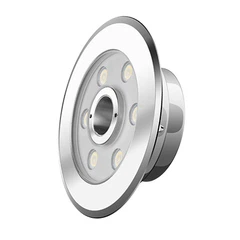


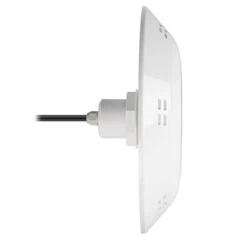


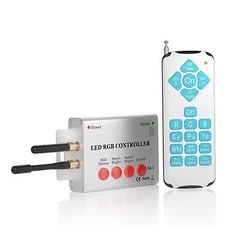
Hey there! As a supplier of recessed ground lights, I've got to say, these lights are pretty awesome. They can add a touch of elegance and safety to both commercial and residential spaces. However, like any product, they're not without their drawbacks. Let's take a closer look at some of the disadvantages of recessed ground lights.


Installation Hassles
First off, installing recessed ground lights is no walk in the park. It's a complex and time - consuming process. You've got to dig holes in the ground, which is physically demanding, especially if you're dealing with a large area. You need to make sure the holes are the right size and depth, and the ground is level. Any mistakes during this phase can lead to uneven lighting or even damage to the lights later on.
Plus, you've got to run wiring underground. This isn't just a matter of laying cables; you need to ensure proper insulation and protection against moisture and physical damage. If the wiring isn't done correctly, it can cause electrical issues, short - circuits, or even pose a safety hazard. And if you're not experienced in electrical work, you'll probably have to hire a professional, which adds to the overall cost.
High Initial Cost
The expense of getting into recessed ground lights is no joke. The lights themselves can be pretty pricey, especially if you opt for high - quality, durable models. As a supplier, I know that the materials used in making these lights, like stainless steel or high - grade plastic, contribute to the cost.
Then there are the installation costs. Between the labor for digging and wiring and any additional equipment needed, you're looking at a substantial initial investment. For a medium - sized project, you could end up spending thousands of dollars. This high upfront cost can be a major deterrent for some customers, especially those on a tight budget.
Maintenance Challenges
Once the recessed ground lights are installed, the maintenance can be a real pain. Since they're installed in the ground, they're constantly exposed to dirt, debris, and water. Over time, dirt can accumulate inside the light fixtures, reducing their brightness. You've got to regularly clean the lenses and other parts to keep them looking and functioning their best.
Moisture is another big problem. Even the most waterproof - rated recessed ground lights can eventually succumb to water damage. Water can seep in through small cracks or faulty seals, causing the wiring to corrode or the bulbs to fail. And replacing the bulbs in a recessed ground light isn't as simple as changing a regular light bulb. You may need to dig around the fixture a bit to access the bulb, which is time - consuming and can potentially damage the light.
Limited Lighting Coverage
One of the things that might not be immediately obvious is the limited lighting coverage of recessed ground lights. These lights are designed to be installed at ground level, which means they shine light in a relatively narrow area. They're great for highlighting specific features, like a pathway or a small garden area, but if you're looking to illuminate a large open space, you'll need a lot of them.
This can be both expensive and aesthetically unappealing. Having too many lights can make the area look cluttered, and it might not create the kind of ambient lighting you're going for. So, if you've got a big yard or a large commercial space, recessed ground lights might not be the most efficient option.
Vulnerability to Physical Damage
Recessed ground lights are right there on the ground, which makes them vulnerable to physical damage. People can accidentally step on them, or vehicles can run over them. Even pets or wildlife can cause damage if they dig around the lights. If a light gets hit hard enough, the fixture can crack, and the bulb can break.
Repairing or replacing a damaged recessed ground light is a hassle. You've got to dig it up, assess the damage, and then either fix it or install a new one. This can be time - consuming and costly, especially if multiple lights are damaged.
Energy Consumption
If you're not using energy - efficient models, recessed ground lights can guzzle up a lot of electricity. Traditional bulbs used in these lights have a relatively high wattage, which means they draw more power. Over time, this can lead to higher electricity bills, especially if the lights are left on for long periods.
As a supplier, I always recommend using LED lights, which are much more energy - efficient. But even so, if you have a large number of lights, the energy consumption can still add up. And with the growing concern for energy conservation, this can be a drawback for environmentally conscious customers.
Aesthetic Limitations
While recessed ground lights can look great when installed correctly, they do have some aesthetic limitations. They're usually low - profile, which means they don't make much of a statement on their own. If you're looking for a lighting fixture that can serve as a focal point in your outdoor area, recessed ground lights might not be the best choice.
Also, the way they illuminate an area can be a bit flat. Since the light comes from the ground, it can create harsh shadows and lack the three - dimensional effect that some other types of lighting can provide. This might not be ideal for creating a warm and inviting atmosphere.
Compatibility Issues
Another potential problem is compatibility. Recessed ground lights need to work well with your existing electrical system. If your system isn't up to par or if it has different voltage requirements, you could run into issues.
You might need to upgrade your electrical system to accommodate the lights, which is another expense. And if you're trying to integrate the lights with other smart lighting systems or automation devices, there could be compatibility glitches. This can make it difficult to create a seamless, unified lighting solution for your outdoor space.
Despite all these disadvantages, recessed ground lights still have many benefits, and their market demand is considerable. If you're interested in Outdoor Ground Garden Lights, Led Outdoor Recessed Ground Lights, or Aurora G Lite Recessed Ground Light, don't hesitate to reach out. We can discuss how to minimize these potential issues and find the best lighting solution for your specific needs. Whether you're a homeowner looking to spruce up your backyard or a business owner wanting to enhance the exterior of your property, we're here to help. Let's start a conversation about your lighting project and see how we can make it a success.
References
- Lighting Technology Handbook
- Outdoor Lighting Design Guide