


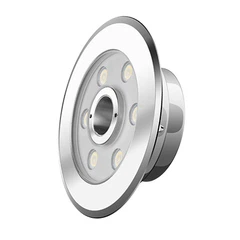


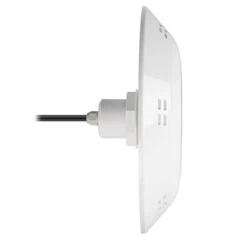


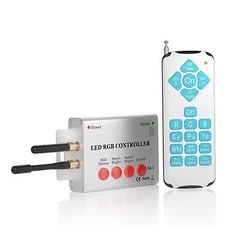
Plastic lights have become increasingly popular in various applications, including swimming pool lighting, due to their unique combination of properties. As a leading supplier of plastic lights, I am often asked about the mechanical properties of these lights. In this blog post, I will delve into the key mechanical properties of plastic lights and explain how they make these lights suitable for different environments, especially in the context of swimming pool lighting.
Strength and Durability
One of the most important mechanical properties of plastic lights is their strength and durability. The plastics used in these lights are carefully selected to withstand various stresses and strains. For instance, in the case of 12v rgb led swimming pool light, they need to be able to endure the constant movement of water, potential impacts from pool equipment or swimmers, and the long - term exposure to water and chemicals.
Most plastic lights are made from high - impact plastics such as polycarbonate or acrylonitrile butadiene styrene (ABS). Polycarbonate is known for its excellent impact resistance. It can absorb a significant amount of energy before cracking or breaking. This means that even if a plastic light in a pool is accidentally hit by a pool toy or a cleaning brush, it is less likely to shatter compared to a glass - based light.
ABS, on the other hand, offers a good balance of strength, stiffness, and toughness. It is resistant to abrasion, which is crucial in a pool environment where the light may come into contact with rough surfaces during installation or maintenance. The durability of these plastics ensures that the ac12v rgb led pool light can have a long service life, reducing the need for frequent replacements.


Flexibility
Plastic lights also exhibit a certain degree of flexibility. Unlike rigid materials like metal or glass, plastics can bend slightly without breaking. This flexibility is beneficial in several ways. During the installation process, plastic lights can be more easily adjusted to fit into different spaces. For example, in a swimming pool where the lighting fixtures may need to be installed in curved or irregularly shaped areas, the flexibility of plastic lights allows for a more seamless installation.
Moreover, the ability to flex can help the light withstand minor vibrations and movements. In a pool, water movement can cause vibrations, and a flexible plastic light can better adapt to these conditions without suffering damage. This is in contrast to more brittle materials that may crack under the same vibrations.
Resistance to Corrosion
Corrosion is a major concern in pool lighting, as the water in swimming pools often contains chemicals such as chlorine and bromine. These chemicals can be highly corrosive to many materials. Plastic lights, however, are generally resistant to corrosion. The plastics used in their construction do not react with the chemicals in the pool water, which means that the lights can maintain their structural integrity over time.
This corrosion resistance not only extends the lifespan of the lights but also ensures that their performance remains consistent. For example, a corroded light fixture may have electrical problems or a reduced light output. With plastic lights, these issues are minimized, providing a reliable lighting solution for swimming pools. This makes plastic lights an ideal choice for Best Led Lights For Pool.
Weight
Another significant mechanical property of plastic lights is their relatively low weight. Compared to metal or glass lights, plastic lights are much lighter. This makes them easier to handle during installation and transportation. In a large - scale pool lighting project, the weight of the lights can be a crucial factor. Lighter plastic lights reduce the overall load on the pool structure and make the installation process more efficient.
The low weight also means that less support is required for the lights. In a pool, where space may be limited and the structure needs to be carefully designed, the reduced weight of plastic lights simplifies the installation process and reduces the cost associated with additional support structures.
Thermal Properties
Plastic lights have unique thermal properties that are relevant to their mechanical performance. Plastics generally have a lower thermal conductivity compared to metals. This means that they do not transfer heat as quickly. In a pool lighting application, this can be an advantage. LED lights generate heat during operation, and if the heat is not dissipated properly, it can affect the performance and lifespan of the light.
The low thermal conductivity of plastics can act as an insulator, helping to keep the heat away from the surrounding pool water and other components. At the same time, many plastics used in light manufacturing are designed to have good heat - dissipation properties within the light itself. This balance ensures that the light can operate at an optimal temperature, maintaining its mechanical and electrical performance.
Impact on Design and Aesthetics
The mechanical properties of plastic lights also have a significant impact on their design and aesthetics. The flexibility and moldability of plastics allow for a wide range of design possibilities. Plastic lights can be molded into various shapes and sizes, enabling the creation of unique and visually appealing lighting fixtures.
In a swimming pool, the design of the lights can enhance the overall aesthetic of the pool area. For example, plastic lights can be made into sleek, modern shapes or more decorative forms to match the style of the pool. The ability to customize the design of plastic lights gives pool owners more options to create a personalized and inviting pool environment.
Testing and Quality Assurance
As a plastic light supplier, we conduct rigorous testing to ensure that our lights meet the highest standards in terms of mechanical properties. We test the impact resistance of the lights by subjecting them to simulated impacts using standardized testing equipment. This helps us ensure that the lights can withstand real - world situations in a pool environment.
We also test the flexibility of the plastics to ensure that they can bend within the expected range without breaking. Additionally, corrosion resistance is tested by exposing the lights to a controlled environment with the same chemicals found in pool water for an extended period. These tests help us guarantee the quality and reliability of our 12v rgb led swimming pool light and other products.
Conclusion
The mechanical properties of plastic lights, including strength, flexibility, corrosion resistance, low weight, and unique thermal properties, make them an excellent choice for swimming pool lighting and other applications. These properties ensure that the lights are durable, easy to install, and visually appealing.
If you are considering upgrading your pool lighting or starting a new pool project, the mechanical advantages of plastic lights should be a key factor in your decision - making process. As a trusted supplier of plastic lights, we are committed to providing high - quality products that meet your specific needs. Whether you are looking for ac12v rgb led pool light or Best Led Lights For Pool, we have the expertise and products to help you achieve the perfect lighting solution for your pool.
If you are interested in learning more about our plastic lights or would like to discuss a potential purchase, please feel free to reach out to us. We look forward to the opportunity to work with you and provide you with the best plastic lighting solutions for your pool.
References
- "Plastics in Lighting Applications" - Journal of Lighting Technology
- "Mechanical Properties of Engineering Plastics" - Handbook of Materials Science
- "Swimming Pool Lighting Design and Installation" - Pool Engineering Magazine