






As a supplier of Plastic Lights, I've often been asked about the adhesion strength of plastic light coatings. This is a crucial aspect, especially when considering the durability and performance of our products. In this blog, I'll delve into what adhesion strength is, its significance for plastic light coatings, and how it impacts our offerings.
Understanding Adhesion Strength
Adhesion strength refers to the force required to separate two materials that are in contact with each other. In the context of plastic light coatings, it's the force needed to peel or remove the coating from the plastic surface of the light. This strength is determined by several factors, including the chemical composition of the coating and the plastic, the surface preparation of the plastic, and the application method of the coating.
The chemical compatibility between the coating and the plastic is fundamental. If the coating and the plastic have similar chemical properties, they are more likely to bond well. For example, some plastics have polar molecules on their surface, and a coating with complementary polar groups can form strong intermolecular forces with the plastic, enhancing adhesion.
Surface preparation also plays a vital role. A clean and properly treated plastic surface provides a better foundation for the coating. This can involve processes such as cleaning to remove dirt, grease, and other contaminants, as well as surface roughening or chemical treatment to increase the surface area and create a more reactive surface for the coating to adhere to.
The application method of the coating is another key factor. Whether it's sprayed, dipped, or brushed on, the way the coating is applied can affect its adhesion. For instance, spraying can ensure a more even distribution of the coating, which can lead to better adhesion compared to other methods.
Significance of Adhesion Strength for Plastic Light Coatings
The adhesion strength of plastic light coatings has several important implications for our products.
Durability
A strong adhesion between the coating and the plastic ensures that the coating remains intact over time. This is especially important for plastic lights that are exposed to various environmental conditions, such as moisture, UV radiation, and temperature changes. A coating with poor adhesion may start to peel or flake off, leaving the plastic surface vulnerable to damage and reducing the lifespan of the light.
Aesthetics
The coating on plastic lights often serves an aesthetic purpose, providing a smooth, uniform finish and enhancing the overall appearance of the product. If the adhesion is weak, the coating may develop bubbles, cracks, or uneven patches, which can significantly detract from the visual appeal of the light.
Performance
In some cases, the coating may also have functional properties, such as providing protection against electrical conductivity or improving the light's resistance to corrosion. A strong adhesion is necessary for these functional properties to be maintained. For example, if a coating is designed to provide electrical insulation, a poor adhesion could lead to gaps in the coating, compromising its insulating ability.
Impact on Our Plastic Light Products
As a Plastic Light supplier, we understand the importance of adhesion strength in our products. We use high - quality coatings and employ strict quality control measures to ensure that the adhesion strength meets our standards.
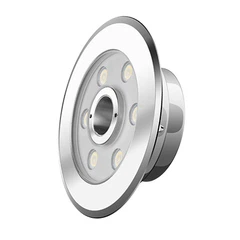
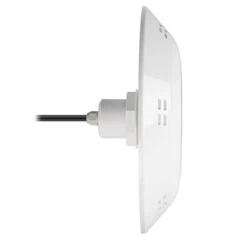
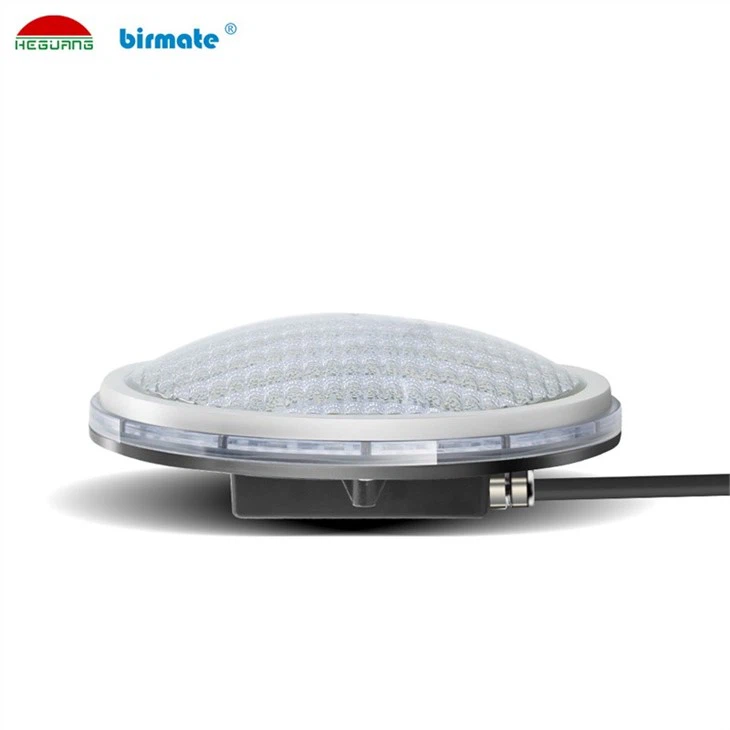
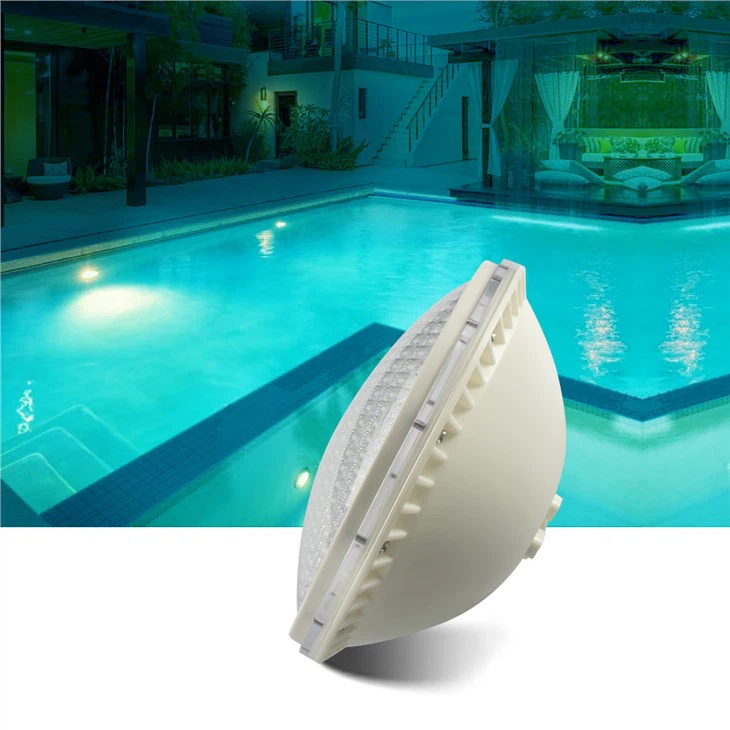
Our Best Led Lights For Pool are designed to withstand the harsh conditions of pool environments. The coatings on these lights have excellent adhesion strength, which helps them resist the effects of water, chlorine, and UV rays. This ensures that the lights not only look good but also perform reliably over a long period.
Similarly, our 12v rgb led swimming pool light and 12v swimming pool with led lights are engineered with coatings that adhere well to the plastic surface. This is crucial for maintaining the color accuracy and brightness of the RGB lights, as well as protecting the electrical components from damage.
We continuously invest in research and development to improve the adhesion strength of our coatings. This includes exploring new coating materials, optimizing surface preparation techniques, and refining our application processes. By doing so, we can offer our customers plastic lights that are not only visually appealing but also highly durable and reliable.
Testing Adhesion Strength
To ensure the quality of our plastic light coatings, we conduct regular adhesion strength tests. One common method is the cross - cut test. In this test, a grid of cuts is made on the coating surface using a sharp blade, and then a piece of adhesive tape is applied over the grid and quickly pulled off. The amount of coating that comes off with the tape is then evaluated according to a standard scale.
Another method is the pull - off test, which measures the force required to pull a coating from the plastic surface using a specialized device. This test provides a more quantitative measure of adhesion strength and is often used for more critical applications.
Conclusion
The adhesion strength of plastic light coatings is a critical factor that affects the durability, aesthetics, and performance of our plastic lights. As a Plastic Light supplier, we are committed to ensuring that our products have coatings with excellent adhesion strength. Through continuous research and development, strict quality control, and reliable testing methods, we strive to provide our customers with high - quality plastic lights that meet their needs.
If you are interested in our plastic light products or have any questions about the adhesion strength of our coatings, we encourage you to contact us for a procurement discussion. We look forward to working with you to find the best lighting solutions for your projects.
References
- ASTM International. "Standard Test Methods for Measuring Adhesion by Tape Test." ASTM D3359.
- Paint and Coatings Industry Association. "Best Practices for Coating Adhesion on Plastic Substrates."