






What is the electromagnetic radiation of aluminum light?
As a seasoned supplier of Aluminum Lights, I've been in the lighting industry for quite some time, constantly exploring the ins and outs of lighting technology. One question that often pops up in discussions with clients is about the electromagnetic radiation of aluminum lights. In this blog, I'll delve into this topic, providing you with a comprehensive understanding of what electromagnetic radiation is, how it relates to aluminum lights, and its implications.
First and foremost, let's understand what electromagnetic radiation is. Electromagnetic radiation is a form of energy that is propagated through space in the form of electromagnetic waves. These waves consist of oscillating electric and magnetic fields and can travel through a vacuum as well as through various materials. The electromagnetic spectrum encompasses a wide range of wavelengths, from very long radio waves to extremely short gamma rays. Different types of electromagnetic radiation have different properties and effects on living organisms and the environment.
Now, let's turn our attention to aluminum lights. Aluminum is a popular material for lighting fixtures due to its excellent thermal conductivity, corrosion resistance, and lightweight nature. Aluminum lights come in various types, including LED lights, halogen lights, and fluorescent lights. Each type of light emits a certain amount of electromagnetic radiation, but the levels and frequencies vary significantly.
LED (Light - Emitting Diode) aluminum lights are among the most common and energy - efficient lighting options on the market. LEDs work by passing an electric current through a semiconductor material, which then emits light. In terms of electromagnetic radiation, LEDs emit very low levels of non - ionizing radiation. Non - ionizing radiation has lower energy and is generally considered to be less harmful than ionizing radiation (such as X - rays and gamma rays). The electromagnetic radiation from LEDs is mainly in the visible light spectrum, which is what we see as light, and a small amount in the infrared and ultraviolet regions. The infrared radiation is usually minimal and is mostly used for heat dissipation in some high - power LEDs. The ultraviolet radiation is also extremely low, especially in high - quality LED aluminum lights, and is well within the safety standards set by international organizations.
Halogen aluminum lights, on the other hand, are incandescent lights that use a tungsten filament enclosed in a halogen - filled bulb. When an electric current passes through the filament, it heats up and emits light. Halogen lights emit a broader spectrum of electromagnetic radiation compared to LEDs. In addition to visible light, they also emit a significant amount of infrared radiation, which is responsible for the heat they produce. Some halogen lights may also emit a small amount of ultraviolet radiation, although this can be reduced by using special coatings on the bulbs. However, the overall electromagnetic radiation levels of halogen lights are still relatively low and are not a major health concern under normal usage conditions.
Fluorescent aluminum lights operate by passing an electric current through a gas - filled tube, which then causes the gas to emit ultraviolet radiation. This ultraviolet radiation is then converted into visible light by a phosphor coating on the inside of the tube. Fluorescent lights do emit a certain amount of ultraviolet radiation, but modern fluorescent lights are designed to minimize this emission. They also emit some electromagnetic interference in the radio frequency range, which can sometimes cause problems with nearby electronic devices. However, proper shielding and filtering can be used to reduce this interference.
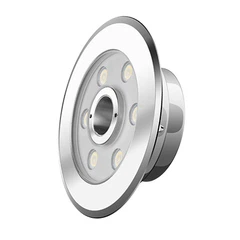
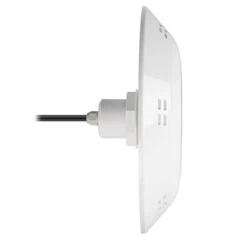
As a supplier of Aluminum Lights, I understand the importance of ensuring the safety and quality of our products. All our lights, whether they are Pool Edge Lighting, ac100 240v pool lights waterproof, or Waterproof Swimming Pool IP68 Light, are rigorously tested to meet international standards for electromagnetic radiation. We use high - quality materials and advanced manufacturing processes to minimize the emission of harmful electromagnetic radiation.
In fact, the electromagnetic radiation from aluminum lights is generally much lower than that from many other common electronic devices. For example, mobile phones, Wi - Fi routers, and microwave ovens all emit electromagnetic radiation at levels that are comparable to or higher than those of aluminum lights. As long as our lights are used as intended and in accordance with safety guidelines, there is no need to be overly concerned about the electromagnetic radiation they emit.
It's also worth noting that the human body is constantly exposed to electromagnetic radiation from natural sources, such as the sun. The sun emits a wide range of electromagnetic radiation, including ultraviolet, visible light, and infrared. Our bodies have evolved to tolerate and adapt to these natural levels of radiation. The additional electromagnetic radiation from aluminum lights is a relatively small contribution to our overall exposure.
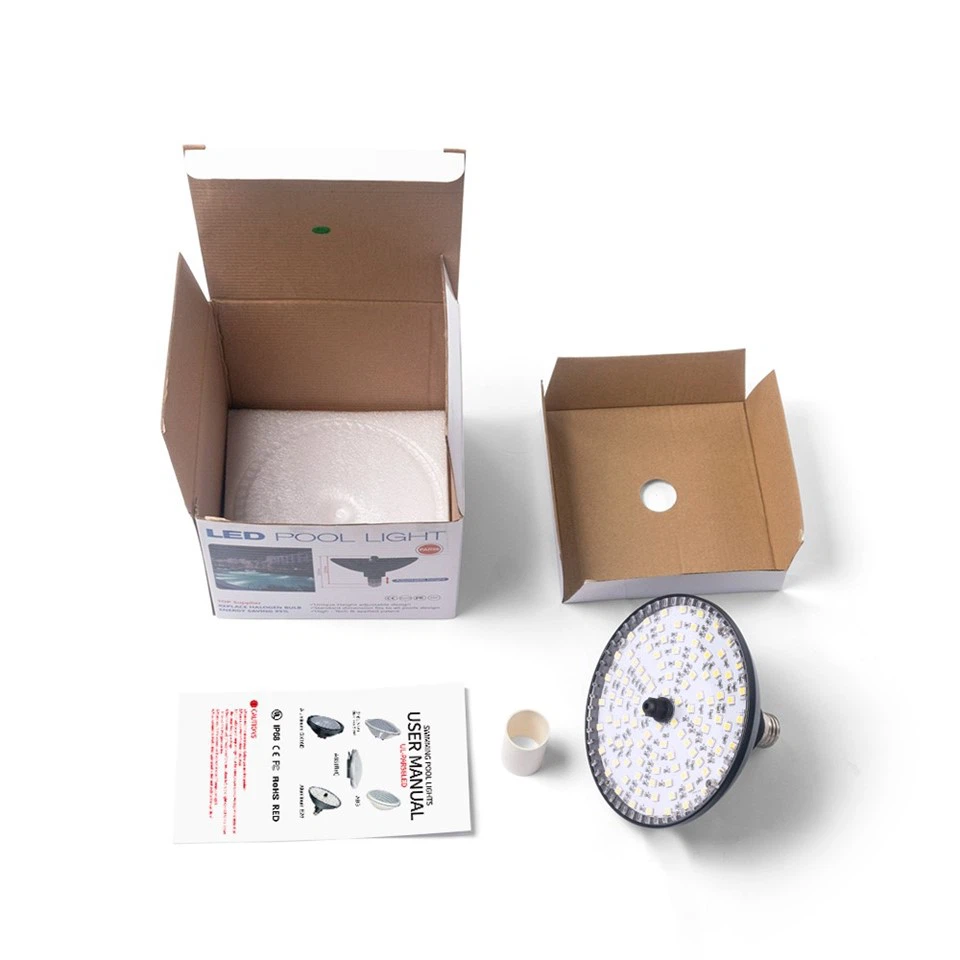

In conclusion, the electromagnetic radiation of aluminum lights is a complex but manageable issue. Different types of aluminum lights emit different levels and frequencies of electromagnetic radiation, but in general, they are safe for normal use. As a responsible supplier, we are committed to providing our customers with high - quality, low - radiation lighting products. If you have any concerns about the electromagnetic radiation of our aluminum lights or if you are interested in purchasing our products, please feel free to contact us for more information. We look forward to discussing your lighting needs and helping you find the perfect solution for your project.
References
- "Electromagnetic Fields and Public Health: Fact Sheet No. 322", World Health Organization.
- "Lighting Handbook: Reference and Application", Illuminating Engineering Society.
- "Electromagnetic Compatibility in Electrical Power Systems", IEEE Press.