






Hey there! As a supplier of PAR56 Pool Lights, I often get asked about the heat output of these nifty little fixtures. So, let's dive right in and talk about what you need to know.
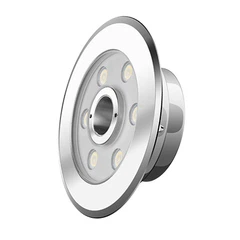
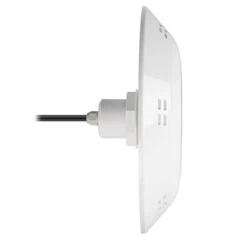
First off, what's a PAR56 Pool Light? Well, it's a type of lighting commonly used in swimming pools. PAR stands for parabolic aluminized reflector, and the 56 refers to the size - in this case, it's about 7 inches in diameter. These lights are great because they're designed to withstand the wet and sometimes harsh conditions of a pool environment.
Now, onto the main question: what's the heat output? The heat output of a PAR56 Pool Light can vary depending on a few factors. One of the biggest factors is the type of bulb used.
Incandescent Bulbs
Traditional incandescent bulbs in PAR56 Pool Lights are known for producing a fair amount of heat. When an incandescent bulb is turned on, electricity passes through a filament inside the bulb. This filament gets so hot that it glows, producing light. But a lot of the energy is actually wasted as heat.
On average, an incandescent PAR56 Pool Light bulb can have a heat output of around 80 - 90% of the total energy it consumes. For example, if you have a 300 - watt incandescent PAR56 bulb, about 240 - 270 watts of that energy is being converted into heat. That's a pretty significant amount!
The high heat output of incandescent bulbs can have a few implications. First, it can make the water in the pool a bit warmer. While this might be nice in cooler weather, it can be a problem in hot climates. Second, the heat can cause the bulb to wear out faster. The constant expansion and contraction of the filament due to the heat can lead to it breaking, which means you'll have to replace the bulb more often.
Halogen Bulbs
Halogen bulbs are a step up from incandescent bulbs. They're still based on the same principle of heating a filament to produce light, but they use a halogen gas inside the bulb to increase efficiency.

Halogen PAR56 Pool Light bulbs have a heat output that's slightly lower than incandescent bulbs. They typically convert around 70 - 80% of the energy they consume into heat. So, for a 300 - watt halogen bulb, about 210 - 240 watts will be heat.
The advantage of halogen bulbs is that they tend to last longer than incandescent bulbs because the halogen gas helps to keep the filament in good condition. Also, they produce a brighter and whiter light, which can make your pool look really nice.
LED Bulbs
LED (Light - Emitting Diode) bulbs are the latest and greatest in pool lighting technology. Unlike incandescent and halogen bulbs, LEDs don't rely on heating a filament to produce light. Instead, they use a semiconductor to emit light when an electric current passes through it.
LED PAR56 Pool Lights have a much lower heat output compared to incandescent and halogen bulbs. They convert only about 10 - 20% of the energy they consume into heat. So, a 300 - watt LED PAR56 bulb might only produce 30 - 60 watts of heat.
This low heat output is a huge advantage. It means that the water in the pool won't be heated up as much, and the bulbs will last a really long time. LEDs can last up to 50,000 hours or more, which is way longer than incandescent or halogen bulbs.
Why Heat Output Matters
The heat output of a PAR56 Pool Light isn't just a random fact. It can have a big impact on your pool and your wallet.
As I mentioned earlier, the heat can affect the water temperature in the pool. If you're in a hot climate, having a light that produces a lot of heat can make the pool water too warm, which isn't very comfortable for swimming. On the other hand, in cooler climates, a little extra heat from the light might be a bonus.
The heat output also affects the lifespan of the bulb. Bulbs that produce a lot of heat tend to wear out faster, which means you'll have to replace them more often. This can get expensive over time, not to mention the hassle of having to replace the bulbs.
Precautions and Considerations
When using PAR56 Pool Lights, it's important to take some precautions. You can check out Precautions For Using Swimming Pool Lights for more detailed information.
First, make sure the light fixture is properly installed. It should be sealed well to prevent water from getting inside, which can cause electrical problems and increase the risk of heat - related issues.
Second, if you're using a high - heat bulb like an incandescent or halogen, keep an eye on the water temperature. You might need to adjust your pool's heating or cooling system accordingly.
The Role of Manufacturers
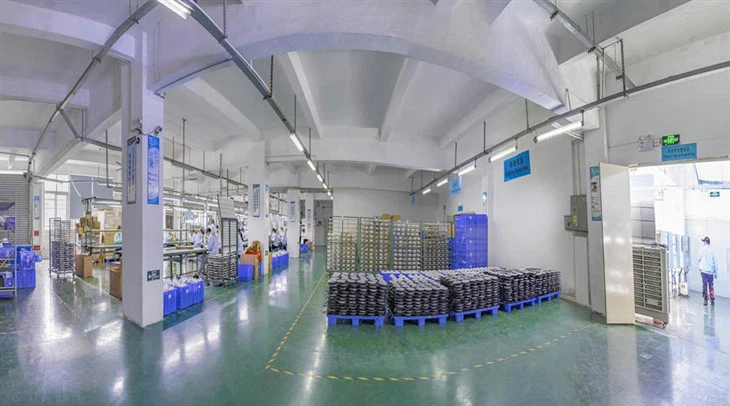
As a supplier, I know that the Research And Development Process Of Swimming Pool Lights is crucial. Manufacturers are constantly working to improve the efficiency of PAR56 Pool Lights and reduce their heat output.
They're also looking at ways to make the lights more durable and resistant to the pool environment. For example, some manufacturers are using better materials for the light fixtures to prevent corrosion and damage from the water and chemicals in the pool.
The Significance of Foreign Trade Export
For manufacturers and suppliers, The Significance Of Swimming Pool Light Manufacturers' Foreign Trade Export can't be underestimated. It allows us to reach a wider market and offer our products to customers all over the world.
By exporting our PAR56 Pool Lights, we can share the latest technology and energy - efficient lighting solutions with different countries. This not only benefits the customers but also helps to promote sustainable and cost - effective pool lighting options globally.
Conclusion
So, there you have it! The heat output of a PAR56 Pool Light depends on the type of bulb you use. Incandescent bulbs produce a lot of heat, halogen bulbs are a bit better, and LED bulbs are the most energy - efficient with the lowest heat output.
If you're in the market for a PAR56 Pool Light, I'd highly recommend considering LED bulbs. They'll save you money in the long run, keep your pool at a more comfortable temperature, and last a really long time.
If you're interested in purchasing our PAR56 Pool Lights or have any questions about them, feel free to reach out. We're here to help you find the best lighting solution for your pool.
References
- General knowledge about lighting technology and pool lighting applications.
- Industry reports on the performance of different types of pool light bulbs.