






Hey there, pool enthusiasts! As a supplier of Swimming Pool LED lights, I've been getting a lot of questions lately about the impact of these lights on water quality. So, I thought I'd sit down and write a blog post to share what I've learned.
First off, let's talk about why water quality in a swimming pool is so important. Clean water isn't just about looks—it's crucial for the health and safety of anyone using the pool. Poor water quality can lead to all sorts of problems, like skin and eye irritations, and even the spread of harmful bacteria. That's why pool owners are always on the lookout for ways to maintain pristine water conditions.
Now, you might be wondering, “How can LED lights possibly affect the water in my pool?” Well, it all comes down to a few key factors.
Heat Generation
One of the major concerns when it comes to pool lights is heat. Traditional incandescent and halogen pool lights generate a significant amount of heat. This extra heat can cause the water temperature to rise, which in turn can create a breeding ground for algae. Algae loves warm water, and when it starts to grow, it can turn your crystal - clear pool into a green, murky mess.
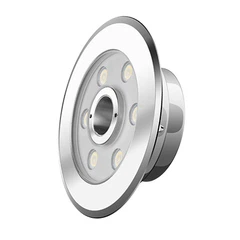
On the flip side, Low Voltage LED Pool Light are known for their energy - efficiency and low heat emission. They consume much less energy compared to other types of lights, and as a result, they produce very little heat. This means that they won't cause an unwanted increase in water temperature, helping to keep algae growth in check.
Chemical Reactions
Another aspect to consider is the potential for chemical reactions between the light and the pool water. Pool water contains various chemicals like chlorine, bromine, and other sanitizers that are used to keep the water clean. Some materials used in older pool lights can react with these chemicals over time.
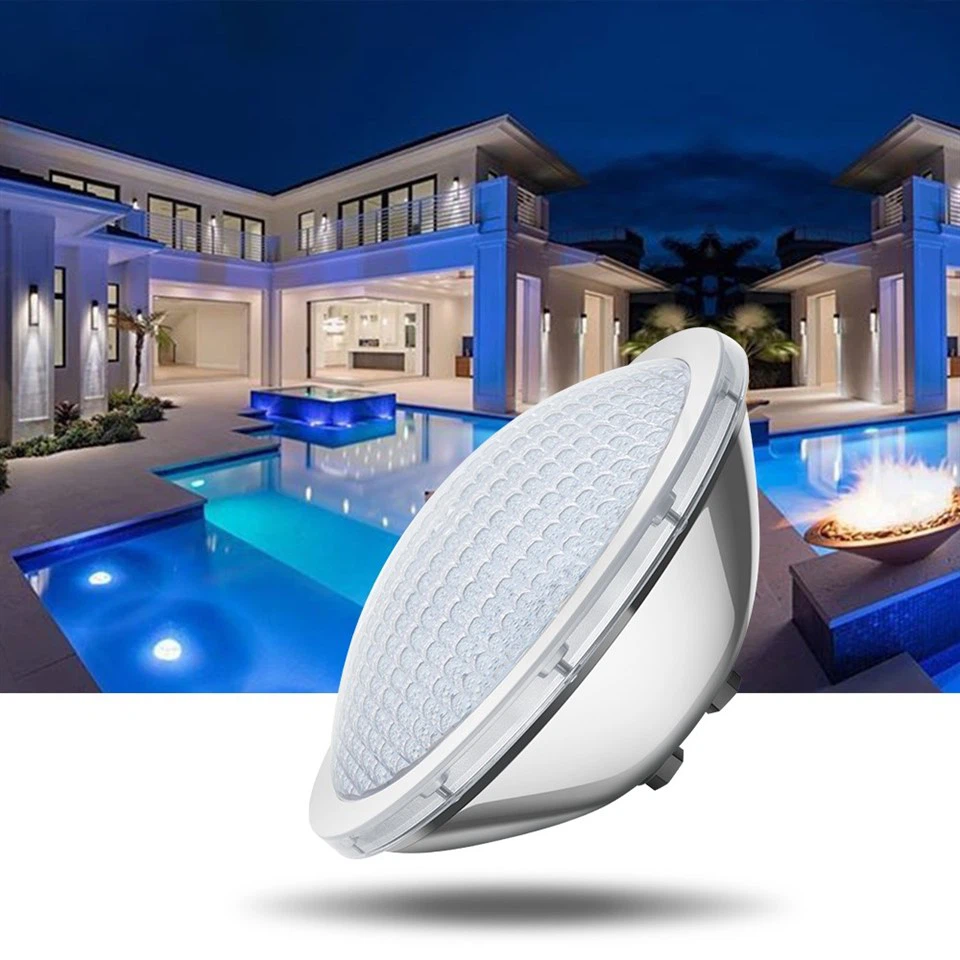
For example, if a light fixture is made of a metal that corrodes easily in the presence of chlorine, it could release metal ions into the water. These ions can not only stain the pool surface but also affect the water chemistry. However, modern 6500k swimming pool led are often made with high - quality, corrosion - resistant materials. Stainless steel and durable plastics are commonly used, which are less likely to react with the pool chemicals. This helps to maintain the integrity of the water chemistry and keeps the water safe for swimming.

UV Emission
Ultraviolet (UV) light can have a significant impact on water quality. UV light can break down chlorine and other sanitizers in the water, reducing their effectiveness. Some older types of pool lights emit UV rays as a by - product of their operation.
LED pool lights, however, emit very little to no UV light. This is a huge advantage as it means that the pool's sanitizers can remain active for longer periods. With a more stable sanitizer level, the water is better able to fight off bacteria, viruses, and other contaminants.
Impact on Water Clarity
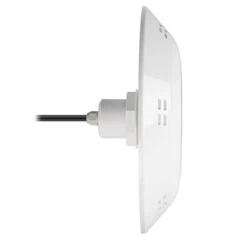
The color and intensity of pool lights can also play a role in how the water appears. When you have the right lighting, it can make the water look clearer and more inviting. Inground Buried Embedded Swimming Pool Light are designed to provide even illumination throughout the pool. This uniform lighting can help you spot any debris or cloudiness in the water more easily.
If you notice that the water looks a little off, you can take immediate action to address the issue, such as adjusting the chemical levels or running the pool filter for a longer time. So, in a way, the right LED lights can act as an early warning system for water quality problems.
Installation and Maintenance Effects on Water Quality
Proper installation and maintenance of pool lights are also essential for maintaining water quality. If a pool light is not installed correctly, it can create leaks. Water leaks can not only waste water but also allow contaminants to enter the pool.
As a good Swimming Pool LED supplier, I always recommend that professional installers handle the installation process. They have the expertise to ensure that the lights are installed airtight and watertight.
In terms of maintenance, LED pool lights are relatively low - maintenance. They don't require frequent bulb changes like traditional lights. However, it's still important to regularly check the lights for any signs of damage, such as cracks or loose connections. If you find any issues, it's best to address them right away to prevent water quality problems.
Conclusion and Call to Action
In conclusion, Swimming Pool LED lights can have a positive impact on water quality. Their low heat emission, resistance to chemical reactions, minimal UV output, and ability to enhance water clarity all contribute to a healthier pool environment.
If you're a pool owner looking to upgrade your pool lighting or a pool professional in need of high - quality LED lights for your projects, I'd love to hear from you. Whether you're interested in 6500k swimming pool led, Inground Buried Embedded Swimming Pool Light, or Low Voltage LED Pool Light, we've got the products to meet your needs. Reach out to us for a consultation, and let's work together to make your pool shine—both literally and in terms of water quality!
References
- "Pool Water Chemistry Basics" by The Pool & Spa Alliance
- "LED Lighting in Pool Applications" research paper from the Lighting Research Institute