






As a seasoned supplier of LED ground lights, I've witnessed firsthand the transformative power of these lighting solutions in various settings. The light distribution pattern of LED ground lights is a critical factor that significantly impacts their performance and the overall aesthetic they create. In this blog post, I'll delve into the intricacies of light distribution patterns, exploring their types, applications, and how they can elevate your lighting projects.
Understanding Light Distribution Patterns
Light distribution pattern refers to the way light is spread or projected from a light source. In the context of LED ground lights, it determines how the light illuminates the surrounding area, influencing visibility, ambiance, and safety. Different light distribution patterns are designed to meet specific needs and preferences, making it essential to choose the right one for your project.
Types of Light Distribution Patterns
1. Symmetrical Distribution
Symmetrical light distribution patterns emit light evenly in all directions from the center of the light source. This type of pattern is ideal for applications where uniform illumination is required, such as pathways, driveways, and large open areas. Symmetrical LED ground lights create a balanced and consistent lighting effect, reducing shadows and providing a sense of safety and security.
2. Asymmetrical Distribution
Asymmetrical light distribution patterns direct light in a specific direction or pattern. This type of pattern is commonly used to highlight specific features or objects, such as architectural elements, sculptures, or landscaping. Asymmetrical LED ground lights can be adjusted to focus light precisely where it's needed, creating a dramatic and eye-catching effect.
3. Narrow Beam Distribution
Narrow beam distribution patterns emit light in a concentrated beam, with a narrow angle of spread. This type of pattern is suitable for applications where long-range illumination is required, such as spotlighting tall trees or building facades. Narrow beam LED ground lights provide intense and focused light, making them ideal for creating a sense of drama and emphasis.
4. Wide Beam Distribution
Wide beam distribution patterns emit light over a broad area, with a wide angle of spread. This type of pattern is ideal for applications where general illumination is required, such as courtyards, patios, and gardens. Wide beam LED ground lights create a soft and diffused lighting effect, providing a warm and inviting atmosphere.
Applications of Different Light Distribution Patterns
1. Landscape Lighting
In landscape lighting, the choice of light distribution pattern depends on the specific elements you want to highlight and the overall aesthetic you want to achieve. Symmetrical and wide beam distribution patterns are commonly used to illuminate pathways, driveways, and large open areas, providing a safe and inviting environment. Asymmetrical and narrow beam distribution patterns are ideal for spotlighting trees, shrubs, and other landscape features, creating a focal point and adding depth and dimension to the landscape.
2. Architectural Lighting
Architectural lighting is all about enhancing the beauty and character of buildings and structures. Asymmetrical and narrow beam distribution patterns are often used to highlight architectural details, such as columns, arches, and facades, creating a dramatic and visually appealing effect. Symmetrical and wide beam distribution patterns can be used to provide general illumination for entrances, lobbies, and other public areas, ensuring a safe and comfortable environment.
3. Safety and Security Lighting
Safety and security lighting is crucial for ensuring the safety of people and property. Symmetrical and wide beam distribution patterns are commonly used to illuminate parking lots, stairways, and other areas where visibility is essential. Narrow beam distribution patterns can be used to spotlight potential hazards, such as steps, curbs, and obstacles, reducing the risk of accidents and injuries.
Choosing the Right Light Distribution Pattern
When choosing the right light distribution pattern for your LED ground lights, several factors need to be considered:
1. Application
The first step is to determine the specific application of the LED ground lights. Consider the purpose of the lighting, the area to be illuminated, and the desired aesthetic effect. This will help you narrow down your options and choose the most suitable light distribution pattern.
2. Environment
The environment in which the LED ground lights will be installed also plays a crucial role in the choice of light distribution pattern. Consider the surrounding landscape, architecture, and any existing lighting fixtures. The light distribution pattern should complement the overall design and enhance the visual appeal of the environment.


3. Energy Efficiency
Energy efficiency is an important consideration when choosing LED ground lights. Look for lights with a high luminous efficacy, which measures the amount of light output per unit of energy consumed. A well-designed light distribution pattern can help maximize the efficiency of the LED ground lights, reducing energy consumption and operating costs.
4. Maintenance
Maintenance is another factor to consider when choosing LED ground lights. Look for lights that are easy to install, clean, and replace. A well-designed light distribution pattern can also help reduce the need for frequent maintenance, as it can minimize the accumulation of dirt and debris on the light fixtures.
Our LED Ground Lights and Light Distribution Patterns
At our company, we offer a wide range of LED ground lights with different light distribution patterns to meet the diverse needs of our customers. Our Classification Of Buried Lights page provides detailed information about the different types of buried lights we offer, including their light distribution patterns and applications.
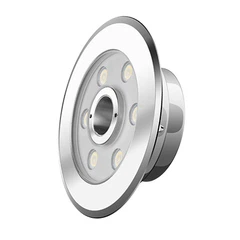
Our LED Underground Light series features high-quality LED lights with a variety of light distribution patterns, including symmetrical, asymmetrical, narrow beam, and wide beam. These lights are designed to provide efficient and reliable illumination for a wide range of applications, from landscape lighting to architectural lighting.
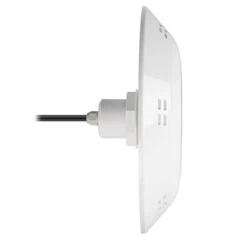
For low-voltage applications, our DC24V inground concrete lights are an excellent choice. These lights are specifically designed for installation in concrete surfaces and offer a variety of light distribution patterns to suit different needs.
Contact Us for Your LED Ground Light Needs
If you're looking for high-quality LED ground lights with the right light distribution pattern for your project, we're here to help. Our team of experts can provide you with personalized advice and recommendations based on your specific requirements. Whether you're a homeowner, a landscape designer, or a commercial contractor, we have the expertise and products to meet your needs.
Contact us today to discuss your LED ground light needs and start creating the perfect lighting solution for your project. We look forward to working with you!
References
- Illuminating Engineering Society (IES). (2019). Lighting Handbook: Reference and Application (10th ed.). IES.
- Philips Lighting. (2020). LED Lighting Design Guide. Philips Lighting.
- National Electrical Manufacturers Association (NEMA). (2021). LED Lighting Standards and Guidelines. NEMA.