






Determining the maximum number of swimming pool lights you can install involves a combination of technical, safety, and aesthetic considerations. As a swimming pool lights supplier, I've encountered numerous customers with questions about the optimal lighting setup for their pools. In this blog post, I'll break down the key factors that influence the number of lights you can install and provide some practical guidelines to help you make an informed decision.
Electrical Capacity
One of the primary limitations on the number of swimming pool lights you can install is the electrical capacity of your pool's electrical system. Each light fixture consumes a certain amount of power, typically measured in watts. To calculate the total power consumption of your proposed lighting setup, you'll need to know the wattage of each individual light and multiply it by the number of lights you plan to install.
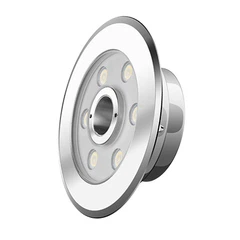
For example, if you're considering using 316l Stainless Steel Led Pool Light that each consume 20 watts, and you want to install 10 lights, the total power consumption would be 200 watts (20 watts x 10 lights).
It's crucial to ensure that your pool's electrical system can handle the total power demand of your lighting setup. This includes checking the capacity of your electrical panel, wiring, and any associated circuit breakers. If you exceed the electrical capacity of your system, you risk overloading the circuit, which can lead to tripped breakers, damaged wiring, and even electrical fires.
If you're unsure about the electrical capacity of your pool's system, it's recommended to consult with a licensed electrician. They can perform a load calculation and advise you on whether any upgrades or modifications are necessary to accommodate your desired number of lights.
Safety Regulations
In addition to electrical capacity, safety regulations also play a significant role in determining the maximum number of swimming pool lights you can install. These regulations are in place to protect swimmers from electrical hazards and ensure the safe operation of pool equipment.
In the United States, the National Electrical Code (NEC) sets the standards for electrical installations in and around swimming pools. According to the NEC, all pool lights must be installed in accordance with specific requirements, including proper grounding, bonding, and wiring methods.
The NEC also limits the number of lights that can be installed on a single circuit. This is to prevent overloading the circuit and reduce the risk of electrical shock. The exact number of lights allowed on a circuit depends on the wattage of the lights and the amperage rating of the circuit breaker.


For example, a 20-amp circuit breaker can typically handle a maximum load of 1,920 watts (20 amps x 120 volts). If you're using 20-watt pool lights, you could theoretically install up to 96 lights on a single 20-amp circuit (1,920 watts / 20 watts per light). However, it's important to note that this is a theoretical maximum, and in practice, you'll need to account for other factors, such as the length of the wiring and the presence of other electrical devices on the same circuit.
It's essential to comply with all applicable safety regulations when installing swimming pool lights. Failure to do so can result in serious safety hazards and may also void your pool's warranty.
Pool Size and Shape
The size and shape of your pool are also important factors to consider when determining the maximum number of lights you can install. A larger pool will generally require more lights to provide adequate illumination, while a smaller pool may only need a few lights.
The shape of your pool can also affect the distribution of light. For example, a rectangular pool may require fewer lights than a pool with a more irregular shape, as the light can be more evenly distributed in a rectangular pool.
As a general rule of thumb, you'll want to aim for a lighting density of approximately 1-2 watts per square foot of pool surface area. This means that for a 1,000-square-foot pool, you'll need a total of 1,000-2,000 watts of lighting.
However, this is just a guideline, and the actual number of lights you'll need may vary depending on your specific needs and preferences. For example, if you want to create a more dramatic lighting effect, you may want to install more lights or use higher-wattage lights.
Aesthetic Considerations
In addition to technical and safety considerations, aesthetic considerations also play a role in determining the maximum number of swimming pool lights you can install. The number and placement of lights can have a significant impact on the overall look and feel of your pool.
For example, if you want to create a soft, ambient lighting effect, you may want to install fewer lights and space them out evenly around the pool. On the other hand, if you want to create a more dramatic, high-energy lighting effect, you may want to install more lights and use different colors and patterns to create a dynamic display.
It's also important to consider the placement of the lights in relation to the pool's features and landscaping. For example, you may want to install lights along the edges of the pool to highlight its shape, or you may want to install lights in the water to create a beautiful underwater effect.
Practical Guidelines
Based on the factors discussed above, here are some practical guidelines to help you determine the maximum number of swimming pool lights you can install:
- Calculate the electrical capacity of your pool's system: Determine the total power consumption of your proposed lighting setup and ensure that your pool's electrical system can handle the load. Consult with a licensed electrician if you're unsure.
- Comply with safety regulations: Make sure all pool lights are installed in accordance with applicable safety regulations, including proper grounding, bonding, and wiring methods. Limit the number of lights on a single circuit to prevent overloading.
- Consider the size and shape of your pool: A larger pool will generally require more lights than a smaller pool. Aim for a lighting density of approximately 1-2 watts per square foot of pool surface area.
- Think about aesthetic considerations: The number and placement of lights can have a significant impact on the overall look and feel of your pool. Consider your personal preferences and the style of your pool when determining the number of lights to install.
Conclusion
Determining the maximum number of swimming pool lights you can install requires careful consideration of a variety of factors, including electrical capacity, safety regulations, pool size and shape, and aesthetic considerations. By following the guidelines outlined in this blog post, you can ensure that your pool lighting setup is safe, functional, and visually appealing.
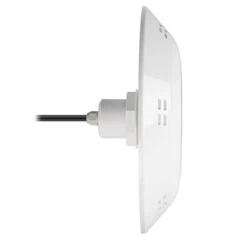
If you're in the market for high-quality swimming pool lights, we offer a wide range of options to suit your needs and preferences. Our Stainless Steel Wall-mounted Swimming Pool Lights and 12v surface mounted pool lights are designed to provide reliable performance and long-lasting durability.
If you have any questions or need further assistance in selecting the right pool lights for your project, please don't hesitate to contact us. We'd be happy to help you find the perfect lighting solution for your pool.
References
- National Electrical Code (NEC)
- Pool & Spa News Magazine
- Professional Pool & Spa Association (PPASA)