






As an LED Spike supplier, I often get asked about the minimum operating temperature of these nifty little lights. So, let's dive right into it and figure out what it takes for LED spikes to keep shining even in the cold.
First off, LED spikes are pretty tough cookies. They're designed to withstand a wide range of temperatures, but like any piece of tech, there's a limit to how cold they can go. The minimum operating temperature of LED spikes can vary depending on a few factors, such as the quality of the components, the design of the light, and the type of LED used.
In general, most LED spikes can operate in temperatures as low as -20°C (-4°F). That's pretty cold, but it's important to note that this is just a general guideline. Some high-quality LED spikes can handle even lower temperatures, while others may start to have issues at slightly warmer temperatures.
One of the main factors that affects the minimum operating temperature of LED spikes is the type of LED used. There are two main types of LEDs: high-power LEDs and low-power LEDs. High-power LEDs are generally more efficient and brighter, but they also generate more heat. This means that they may not be able to operate in extremely cold temperatures as well as low-power LEDs.
Low-power LEDs, on the other hand, generate less heat and are generally more suitable for cold environments. They're also less expensive, which makes them a popular choice for many LED spike manufacturers. However, they may not be as bright as high-power LEDs, so it's important to choose the right type of LED for your specific needs.
Another factor that affects the minimum operating temperature of LED spikes is the quality of the components. LED spikes that are made with high-quality components are generally more reliable and can withstand colder temperatures. This is because high-quality components are designed to operate in a wider range of temperatures and are less likely to fail in cold conditions.
On the other hand, LED spikes that are made with low-quality components may start to have issues at higher temperatures. This is because low-quality components are more likely to expand and contract in cold temperatures, which can cause them to break or malfunction.
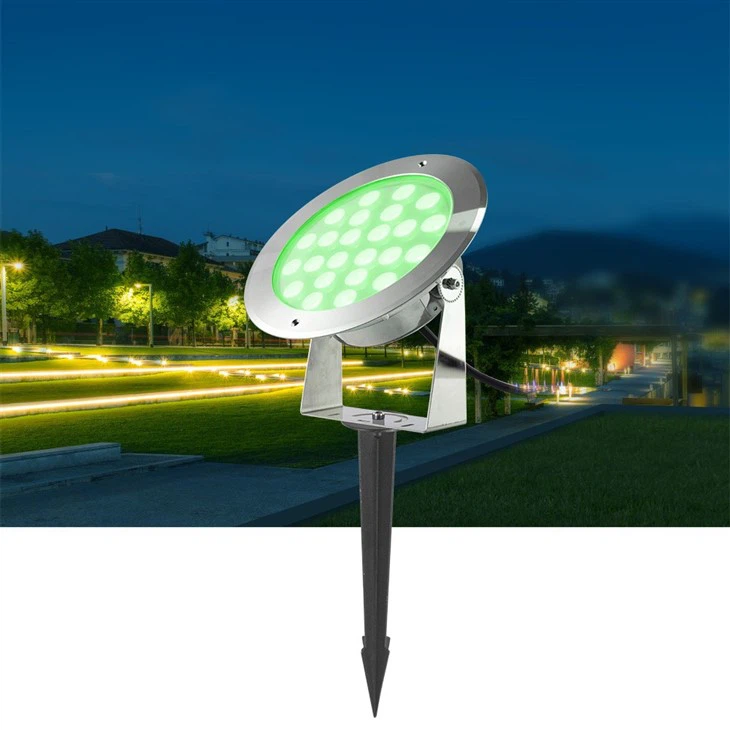
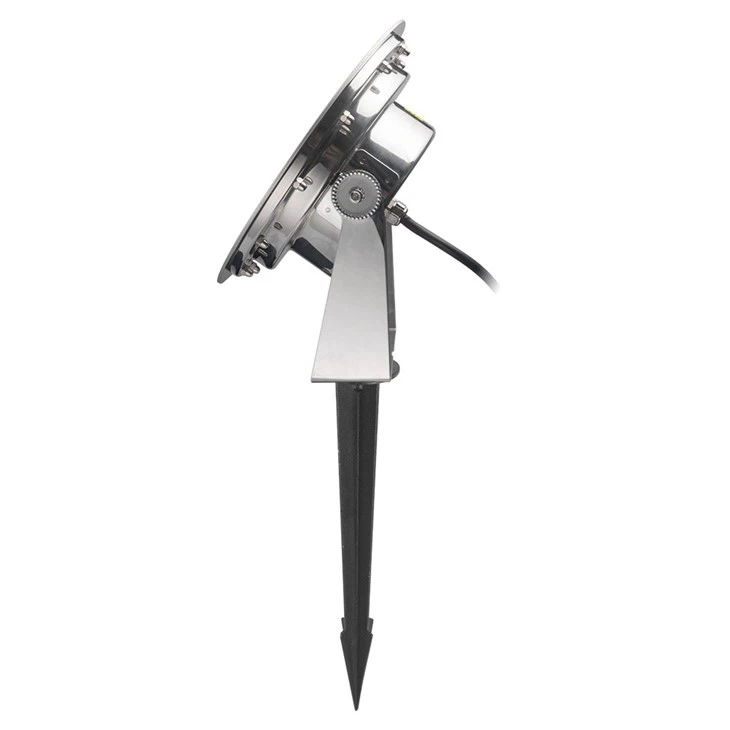
The design of the LED spike also plays a role in its minimum operating temperature. LED spikes that are designed with good heat dissipation are generally more suitable for cold environments. This is because they're able to transfer the heat generated by the LED away from the light, which helps to prevent the LED from overheating and failing in cold conditions.
LED spikes that are designed with poor heat dissipation, on the other hand, may start to have issues at higher temperatures. This is because the heat generated by the LED can build up inside the light, which can cause the LED to overheat and fail in cold conditions.
So, what does all this mean for you as a consumer? Well, if you're looking for LED spikes that can operate in extremely cold temperatures, it's important to choose high-quality LED spikes that are made with high-quality components and have good heat dissipation. You should also look for LED spikes that are specifically designed for cold environments, as these are more likely to be able to withstand the cold.
At our company, we offer a wide range of LED spikes that are designed to operate in a variety of temperatures. Our Lawn Lamp are perfect for adding a touch of elegance to your garden or lawn, while our Stainless Steel Outdoor Spike Lights are ideal for lighting up your pathways and driveways. We also offer Led Stainless Steel Outdoor Spike Lights that are specifically designed for outdoor use and can withstand even the harshest weather conditions.
If you're interested in learning more about our LED spikes or have any questions about their minimum operating temperature, please don't hesitate to contact us. We're always happy to help and can provide you with all the information you need to make an informed decision.
In conclusion, the minimum operating temperature of LED spikes can vary depending on a few factors, such as the type of LED used, the quality of the components, and the design of the light. In general, most LED spikes can operate in temperatures as low as -20°C (-4°F), but it's important to choose high-quality LED spikes that are specifically designed for cold environments if you need them to operate in extremely cold temperatures.
If you're in the market for LED spikes, be sure to check out our website and see our wide range of products. We're confident that you'll find the perfect LED spikes for your needs, and we're always here to help you with any questions or concerns you may have. So, what are you waiting for? Contact us today and let's get started on lighting up your outdoor space!
References
- "LED Lighting Technology: A Guide to the Basics." U.S. Department of Energy, 2023.
- "Temperature Effects on LED Performance." LED Professional Magazine, 2022.
- "Choosing the Right LED for Your Application." LED Magazine, 2021.