






As a seasoned supplier of RGB light controllers, I often encounter questions from customers about various technical aspects of our products. One of the most frequently asked questions is about the refresh rate of an RGB light controller. In this blog post, I'll delve into what the refresh rate means, why it matters, and how it impacts the performance of RGB lighting systems.
Understanding Refresh Rate
The refresh rate of an RGB light controller refers to the number of times per second that the controller updates the color and intensity settings of the connected RGB lights. It is typically measured in Hertz (Hz). For example, a refresh rate of 60 Hz means that the controller updates the light settings 60 times every second.
Think of it like a movie projector. In a traditional film projector, the film is made up of a series of still images, and the projector shows these images in rapid succession. The number of images shown per second is called the frame rate. A higher frame rate results in smoother motion on the screen. Similarly, in an RGB lighting system, a higher refresh rate means that the changes in color and intensity appear smoother and more fluid to the human eye.
Why Refresh Rate Matters
Visual Quality
A higher refresh rate is crucial for achieving high - quality visual effects. When the refresh rate is too low, you may notice visible flickering or stuttering in the color transitions of the RGB lights. This is especially noticeable when the lights are displaying dynamic effects such as color fades, chases, or strobes. For applications where smooth and seamless color changes are desired, such as in stage lighting, architectural lighting, or home theater setups, a high refresh rate is essential.
Compatibility with High - Speed Effects
Many modern RGB lighting systems are designed to create complex and high - speed effects. For instance, in a nightclub or a live concert, the lights may need to change colors and patterns at a very fast pace. A low refresh rate controller may not be able to keep up with these rapid changes, resulting in a choppy or incomplete display of the intended effects. A high - refresh - rate controller, on the other hand, can accurately reproduce these high - speed effects, providing a more immersive and engaging visual experience.
Reducing Eye Strain
In environments where people are exposed to RGB lighting for extended periods, such as in offices or retail stores, a low refresh rate can cause eye strain. The flickering of the lights can be tiring for the eyes, leading to discomfort and reduced productivity. By using a high - refresh - rate RGB light controller, the lights appear more stable and less likely to cause eye strain.
Factors Affecting Refresh Rate
Controller Hardware
The quality and capabilities of the RGB light controller hardware play a significant role in determining the refresh rate. High - end controllers are often equipped with more powerful processors and better - optimized firmware, which allow them to achieve higher refresh rates. Cheaper or older controllers may have limitations in terms of processing power, resulting in lower refresh rates.
Number of Connected Lights
The more RGB lights that are connected to a controller, the more processing power is required to update their settings. As the number of lights increases, the controller may struggle to maintain a high refresh rate. Therefore, it's important to choose a controller that is capable of handling the number of lights in your specific setup.
Communication Protocol
The communication protocol used between the controller and the RGB lights can also affect the refresh rate. Some protocols are more efficient than others in transmitting data, allowing for higher refresh rates. For example, the DMX protocol is widely used in professional lighting systems because it can support high - speed data transfer and relatively high refresh rates.
Our RGB Light Controllers and Refresh Rates
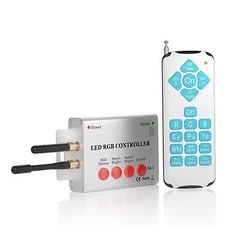
At our company, we offer a range of RGB light controllers with different refresh rates to meet the diverse needs of our customers. Our 5 wires rgb dmx controller is a popular choice for professional lighting applications. It utilizes the DMX protocol, which enables it to achieve a high refresh rate, ensuring smooth and accurate color transitions even in complex lighting setups.
For more basic applications, such as home lighting or small - scale projects, we also have controllers with lower refresh rates that are more cost - effective. However, even these controllers are designed to provide a stable and flicker - free lighting experience.


Refresh Rate in Pool Lighting
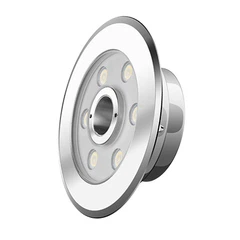
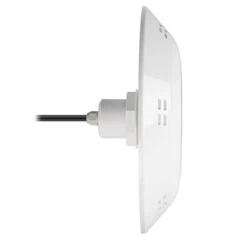
In the context of pool lighting, the refresh rate is also an important consideration. Our Universal Pool Light Remote is designed to work seamlessly with pool lights, providing a range of lighting effects. A high refresh rate in the pool light controller ensures that the color changes in the pool water are smooth and visually appealing. Whether you want to create a relaxing blue glow or a vibrant party atmosphere with multi - colored lights, a high - refresh - rate controller can make a significant difference.
High Luminous Efficiency and Refresh Rate
The refresh rate of an RGB light controller is also related to the luminous efficiency of the LED light source. Our High Luminous Efficiency Of LED Light Source technology ensures that the lights are not only energy - efficient but also capable of producing bright and vivid colors. A high - refresh - rate controller can take full advantage of this high - efficiency LED technology, maximizing the visual impact of the lighting system.
Conclusion
In summary, the refresh rate of an RGB light controller is a critical factor that affects the visual quality, compatibility with high - speed effects, and user comfort. As a supplier, we understand the importance of providing controllers with the right refresh rate for different applications. Whether you are a professional lighting designer, a pool owner, or a homeowner looking to enhance your living space, choosing the right RGB light controller with an appropriate refresh rate is essential.
If you are interested in learning more about our RGB light controllers or have specific requirements for your lighting project, we invite you to contact us for a detailed discussion. Our team of experts is ready to assist you in selecting the best products for your needs and ensuring a successful lighting installation.
References
- Lighting Industry Association. (2023). Technical Guidelines for RGB Lighting Systems.
- LED Lighting Research Institute. (2022). Impact of Refresh Rate on Visual Perception in Lighting Applications.