






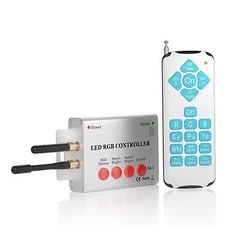
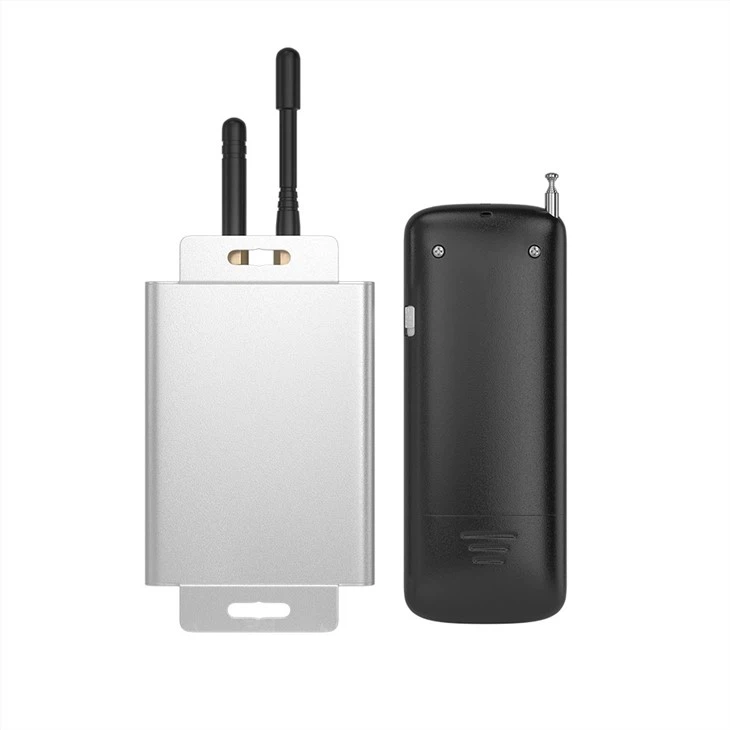
RGB DMX controllers have become an essential component in the world of lighting control, offering unparalleled flexibility and creativity in managing lighting systems. As a leading supplier of RGB DMX controllers, we understand the importance of supporting different color models to meet the diverse needs of our customers. In this blog post, we will explore the support for different color models in an RGB DMX controller, delving into the technical aspects and practical applications.
Understanding Color Models
Before we discuss the support for different color models in an RGB DMX controller, it's crucial to understand what color models are. A color model is a mathematical representation of colors in a specific coordinate system. The most common color models used in lighting applications are RGB (Red, Green, Blue), CMYK (Cyan, Magenta, Yellow, Black), and HSV (Hue, Saturation, Value).
- RGB Color Model: The RGB color model is an additive color model in which red, green, and blue light are added together in various ways to reproduce a broad array of colors. This model is widely used in electronic displays, digital imaging, and lighting systems because it closely mimics the way the human eye perceives color.
- CMYK Color Model: The CMYK color model is a subtractive color model used in printing. It works by subtracting different amounts of cyan, magenta, yellow, and black ink from white paper to create colors. While not as commonly used in RGB DMX controllers, understanding the CMYK model can be useful for translating colors between digital and printed media.
- HSV Color Model: The HSV color model represents colors in terms of hue, saturation, and value. Hue refers to the dominant wavelength of light, saturation represents the purity or intensity of the color, and value indicates the brightness of the color. This model is often more intuitive for humans to understand and manipulate, making it popular in graphic design and color selection tools.
Support for RGB Color Model in RGB DMX Controllers
As the name suggests, RGB DMX controllers are primarily designed to support the RGB color model. They work by controlling the intensity of red, green, and blue LEDs to create a wide range of colors. Each LED channel is typically controlled by a separate DMX channel, allowing for precise control over the color output.
In an RGB DMX controller, the intensity of each LED channel can be adjusted from 0 to 255, corresponding to a range of 0% to 100% brightness. By combining different intensities of red, green, and blue light, the controller can produce over 16 million different colors. This level of control makes RGB DMX controllers ideal for creating dynamic lighting effects, such as color fades, chases, and strobes.
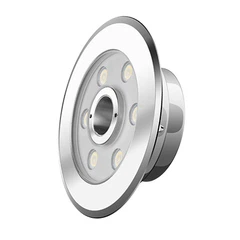
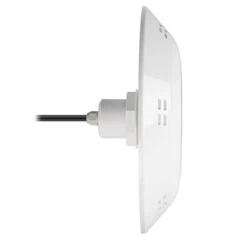
One of the key advantages of using an RGB DMX controller is its compatibility with a wide range of RGB lighting fixtures. Whether you're using RGB LED strips, RGB floodlights, or Color Pool Light with Remote Control, our RGB DMX controllers can provide seamless control over the color and intensity of the lights. This versatility makes them a popular choice for a variety of applications, including stage lighting, architectural lighting, and decorative lighting.
Support for Other Color Models in RGB DMX Controllers
While RGB is the primary color model supported by RGB DMX controllers, some advanced controllers also offer support for other color models, such as HSV. By converting between different color models, these controllers allow users to select colors based on their intuitive understanding of hue, saturation, and value, rather than having to specify the exact RGB values.
For example, if a user wants to create a bright, saturated blue color, they can simply select the appropriate hue, saturation, and value settings in the HSV color model. The RGB DMX controller will then convert these values into the corresponding RGB values and adjust the intensity of the red, green, and blue LEDs accordingly. This makes it easier for users to achieve the desired color effects without having to perform complex calculations.
In addition to HSV, some RGB DMX controllers also support color mixing algorithms that allow users to create custom color palettes. These algorithms use mathematical formulas to blend different colors together, creating smooth transitions and unique color combinations. This feature is particularly useful for creating dynamic lighting effects that change over time, such as color fades and chases.

Practical Applications of Different Color Models in RGB DMX Controllers
The support for different color models in RGB DMX controllers opens up a wide range of practical applications in various industries. Here are some examples:
- Stage Lighting: In the entertainment industry, RGB DMX controllers are used to create dynamic lighting effects on stage. By supporting different color models, these controllers allow lighting designers to create a wide range of colors and effects, from subtle color washes to bold, vibrant displays. For example, a lighting designer can use the HSV color model to create a moody, blue lighting effect for a theatrical performance, or use color mixing algorithms to create a custom color palette for a music concert.
- Architectural Lighting: RGB DMX controllers are also widely used in architectural lighting to enhance the aesthetic appeal of buildings and structures. By controlling the color and intensity of the lights, these controllers can create a variety of lighting effects, such as highlighting architectural features, creating a sense of depth and dimension, and enhancing the overall ambiance of the space. For example, an architect can use an RGB DMX controller to create a warm, inviting lighting effect in a hotel lobby, or use a color-changing lighting system to create a dynamic and engaging facade for a commercial building.
- Decorative Lighting: In the home and commercial decor industry, RGB DMX controllers are used to create decorative lighting effects that add a touch of style and personality to any space. Whether it's creating a cozy, warm lighting effect in a living room or a vibrant, colorful lighting display in a nightclub, these controllers allow users to customize the lighting to suit their individual preferences. For example, a homeowner can use an RGB DMX controller to create a romantic, candlelit atmosphere in the bedroom, or use a color-changing lighting system to create a fun and festive environment for a party.
Benefits of Using an RGB DMX Controller with Support for Different Color Models
There are several benefits to using an RGB DMX controller that supports different color models:
- Increased Flexibility: By supporting different color models, RGB DMX controllers offer increased flexibility in color selection and control. Users can choose the color model that is most intuitive and convenient for them, allowing for easier and more precise color adjustments.
- Enhanced Creativity: The ability to convert between different color models and use color mixing algorithms opens up a world of creative possibilities. Lighting designers and users can experiment with different color combinations and effects, creating unique and engaging lighting displays that stand out from the crowd.
- Improved Compatibility: RGB DMX controllers that support different color models are more compatible with a wide range of lighting fixtures and software applications. This means that users can easily integrate their RGB DMX controllers into existing lighting systems and workflows, without having to worry about compatibility issues.
- Better User Experience: The support for different color models makes RGB DMX controllers more user-friendly and accessible to a wider range of users. Whether you're a professional lighting designer or a DIY enthusiast, these controllers allow you to create stunning lighting effects with ease.
Conclusion
In conclusion, the support for different color models in an RGB DMX controller is an important feature that offers increased flexibility, enhanced creativity, and improved compatibility. As a leading supplier of RGB DMX controllers, we are committed to providing our customers with the latest technology and features to meet their diverse needs. Whether you're looking for a simple RGB DMX controller for a small-scale project or a advanced controller with support for multiple color models and color mixing algorithms, we have the right solution for you.
If you're interested in learning more about our RGB DMX controllers or have any questions about color models and lighting control, please don't hesitate to contact us. Our team of experts is always available to provide you with the information and support you need to make the right decision for your lighting project. We look forward to working with you to create stunning lighting effects that will take your project to the next level.
References
- Smith, J. (2020). Lighting Control Systems: Principles and Applications. New York: Wiley.
- Jones, A. (2019). Color Theory for Designers: Understanding the Basics. London: Thames & Hudson.
- Brown, R. (2018). Digital Lighting and Video Control: An Introduction to DMX512. Burlington, MA: Focal Press.