


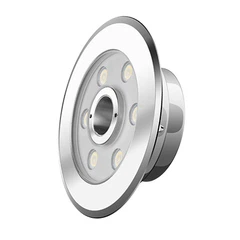


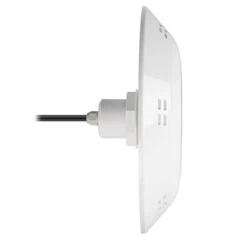


Hey there! As a supplier of PAR56 Pool Lights, I often get asked about the type of bulbs these pool lights use. So, I thought I'd dive right in and share all the details with you.
First off, let's understand what a PAR56 Pool Light is. PAR stands for Parabolic Aluminized Reflector. The 56 in PAR56 refers to the diameter of the light, which is 56 eighths of an inch (that's about 7 inches in total). These lights are commonly used in swimming pools because they're powerful, durable, and can provide great illumination underwater.
Now, onto the main question: what type of bulbs does a PAR56 Pool Light use? Well, there are a few different options, and each has its own pros and cons.

Incandescent Bulbs
Incandescent bulbs were the traditional choice for PAR56 Pool Lights. They work by passing an electric current through a filament, which heats up and produces light. One of the big advantages of incandescent bulbs is that they're relatively inexpensive to buy. They also produce a warm, natural-looking light that many people find appealing.
However, incandescent bulbs aren't very energy-efficient. A lot of the energy they use is wasted as heat, which means they can drive up your electricity bills. They also have a relatively short lifespan compared to other types of bulbs, so you'll need to replace them more often.
Halogen Bulbs
Halogen bulbs are a type of incandescent bulb, but they have some improvements. They contain a small amount of halogen gas inside the bulb, which helps to redeposit the evaporated filament material back onto the filament. This means that halogen bulbs can last longer than regular incandescent bulbs and can also produce a brighter, whiter light.
Like incandescent bulbs, though, halogen bulbs aren't the most energy-efficient option. They still generate a fair amount of heat, and they can be a bit more expensive to buy than regular incandescent bulbs.
LED Bulbs
LED (Light Emitting Diode) bulbs are becoming increasingly popular for PAR56 Pool Lights. LEDs work by passing an electric current through a semiconductor material, which emits light. One of the biggest advantages of LED bulbs is their energy efficiency. They use a fraction of the energy that incandescent and halogen bulbs use, which can save you a lot of money on your electricity bills in the long run.
LED bulbs also have a very long lifespan. They can last up to 50,000 hours or more, which means you won't have to replace them nearly as often as incandescent or halogen bulbs. They're also more durable and resistant to shock and vibration, which is important in a pool environment.
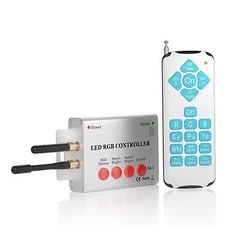
Another great thing about LED bulbs is that they come in a wide range of colors and color-changing options. You can create some really cool lighting effects in your pool, like a rainbow of colors or a slow color fade.
When it comes to choosing the right bulb for your PAR56 Pool Light, there are a few things to consider. First, think about your budget. If you're on a tight budget, an incandescent or halogen bulb might be the way to go. But if you're willing to spend a bit more upfront for long-term savings, an LED bulb is a great investment.
You should also think about the type of light you want. If you prefer a warm, natural-looking light, an incandescent or halogen bulb might be better for you. But if you want a bright, white light or the ability to create colorful lighting effects, an LED bulb is the way to go.
It's also important to make sure that the bulb you choose is compatible with your PAR56 Pool Light. Some lights are designed to work with specific types of bulbs, so be sure to check the manufacturer's specifications before you buy.
As a PAR56 Pool Light supplier, I've seen firsthand the benefits of using LED bulbs. Not only do they save my customers money on their energy bills, but they also reduce the hassle of having to replace bulbs frequently. And the ability to create different lighting effects is a big hit with pool owners.
If you're interested in learning more about the significance of swimming pool light manufacturers' foreign trade export, check out The Significance Of Swimming Pool Light Manufacturers' Foreign Trade Export. It's a great resource that goes into more detail about the global market for pool lights.
Also, if you're curious about the research and development process of swimming pool lights, you can read Research And Development Process Of Swimming Pool Lights. This article gives you an inside look at how these lights are designed and improved.
And don't forget to check out Precautions For Using Swimming Pool Lights to make sure you're using your pool lights safely.
If you're in the market for PAR56 Pool Lights or need help choosing the right bulbs, I'd love to chat with you. We've got a wide range of high-quality pool lights and bulbs to suit different needs and budgets. Whether you're a homeowner looking to upgrade your pool lighting or a contractor working on a new pool project, we can help you find the perfect solution. Just reach out, and let's start the conversation.
References
- General knowledge about lighting technology and pool lights from industry experience.
- Information on the benefits and drawbacks of different bulb types from lighting industry research.