


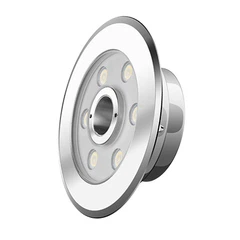


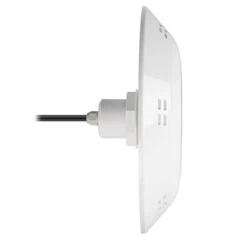


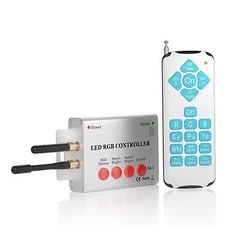
In the realm of pool aesthetics and functionality, LED lights have emerged as a popular choice for swimming pool owners. As a leading supplier of Swimming Pool LED lights, I often encounter the question: "Are Swimming Pool LED lights energy - efficient?" This blog aims to delve deep into this topic, exploring the science behind LED lighting, comparing it with traditional pool lighting options, and highlighting the benefits of choosing our Swimming Pool LED lights.
Understanding the Basics of LED Technology
LED, or Light - Emitting Diode, is a semiconductor device that emits light when an electric current passes through it. Unlike traditional incandescent bulbs, which produce light by heating a filament, or fluorescent lights, which use gas - filled tubes, LEDs generate light through a process called electroluminescence. This process is far more efficient because it converts a higher percentage of electrical energy into light, rather than wasting it as heat.
In the context of swimming pools, this efficiency is crucial. Pools are often used for extended periods, especially during the summer months, and the lighting system can consume a significant amount of electricity. By using LED lights, pool owners can reduce their energy consumption and lower their electricity bills.
Energy Efficiency Comparison: LED vs. Traditional Pool Lights
Incandescent Pool Lights
Incandescent lights have been around for a long time and were once the standard for pool lighting. However, they are extremely inefficient. Up to 90% of the energy they consume is wasted as heat, with only about 10% being converted into light. This not only makes them costly to operate but also poses a safety risk in a pool environment, as the high temperatures can cause burns or even start a fire if the light fixture comes into contact with flammable materials.
Halogen Pool Lights
Halogen lights are a type of incandescent light that uses a halogen gas to increase the efficiency slightly. While they are brighter than traditional incandescent bulbs, they still waste a large amount of energy as heat. They also have a relatively short lifespan, which means they need to be replaced more frequently, adding to the long - term cost of ownership.
Fluorescent Pool Lights
Fluorescent lights are more energy - efficient than incandescent and halogen lights. They convert about 20 - 30% of the electrical energy into light. However, they have some drawbacks. Fluorescent lights contain mercury, which is a toxic substance. If a fluorescent light breaks, it can release mercury into the pool environment, posing a health risk. Additionally, fluorescent lights may not work well in cold temperatures, which can be a problem for outdoor pools in the early spring or late fall.
LED Pool Lights
LED lights, on the other hand, are highly energy - efficient. They can convert up to 80 - 90% of the electrical energy into light, which means they use significantly less electricity than traditional lighting options. For example, a 10 - watt LED pool light can produce the same amount of light as a 60 - watt incandescent light. This translates into substantial energy savings over time.
Benefits of Energy - Efficient Swimming Pool LED Lights
Cost Savings
As mentioned earlier, the energy efficiency of LED lights leads to lower electricity bills. Over the lifespan of the lights, the savings can be quite significant. For commercial pool owners, such as hotels or community centers, these savings can add up to thousands of dollars per year.
Long Lifespan
LED lights have a much longer lifespan than traditional pool lights. While incandescent and halogen lights may last only a few thousand hours, LED lights can last up to 50,000 hours or more. This means fewer replacements, reducing both the cost of purchasing new lights and the labor cost of installation.


Environmental Friendliness
LED lights are more environmentally friendly than traditional lighting options. They do not contain harmful substances like mercury, and their energy - efficient operation reduces greenhouse gas emissions associated with electricity generation. By choosing LED lights for their pools, owners can contribute to a more sustainable future.
Better Lighting Quality
LED lights offer better lighting quality than traditional lights. They can produce a wide range of colors, which can be used to create different moods and atmospheres in the pool area. For example, blue lights can give the pool a cool, relaxing look, while red or green lights can add a festive touch. LED lights also have a high color rendering index (CRI), which means they can accurately reproduce colors, making the pool and its surroundings look more vibrant.
Our Swimming Pool LED Lights
As a Swimming Pool LED supplier, we offer a wide range of high - quality LED lights for different types of pools. Our lights are designed to be energy - efficient, durable, and easy to install. We use the latest LED technology to ensure that our lights provide the best possible lighting performance while consuming the least amount of energy.
Our product line includes Basic Use Of Stainless Steel Pool Lights, which are made of high - quality stainless steel, making them resistant to corrosion and suitable for both indoor and outdoor pools. We also have 12v low voltage pool light, which are safer to use and can be easily integrated into existing pool lighting systems. And for those who want to customize their pool lighting, we offer Lights For Your Pool, which come in a variety of colors and styles.
Contact Us for Purchase and Negotiation
If you are interested in our Swimming Pool LED lights and want to learn more about their energy - efficiency and other features, or if you have any questions about installation or maintenance, please feel free to contact us. We have a team of experienced professionals who can provide you with detailed information and help you choose the right LED lights for your pool. Whether you are a residential pool owner or a commercial pool operator, we are committed to providing you with the best products and services.
References
- "Lighting Basics: LED Lighting", U.S. Department of Energy
- "Energy - Efficient Lighting Options for Pools", Pool & Spa News
- "The Science of LED Lighting", Lighting Research Center