






Hey there! As a supplier of underwater lights, I often get asked about the lifespan of LED underwater lights. It's a super important question, especially if you're thinking about decking out your pool, pond, or any other underwater space with some cool lighting. So, let's dive right in and explore this topic in detail.
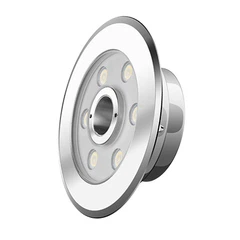
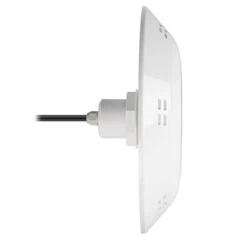
First off, what are LED underwater lights? Well, these are lights specifically designed to work underwater. They're a great choice because they're energy - efficient, offer a wide range of colors, and are generally more durable compared to traditional lighting options. The Underwater Lamp Is A Lamp Specially Installed Under Water, The Main Features Include
Now, to answer the big question: what's the lifespan of LED underwater lights? On average, a good - quality LED underwater light can last anywhere from 25,000 to 50,000 hours. That's a pretty long time! To put it into perspective, if you use your underwater lights for about 4 hours a day, a light with a 25,000 - hour lifespan would last for over 17 years, and one with a 50,000 - hour lifespan could last more than 34 years.
But, and this is a big but, the actual lifespan can vary depending on several factors. Let's take a look at what these factors are.
Quality of the LED Lights
The quality of the LED chips and the overall build of the light play a huge role. High - end LED chips are made with better materials and more advanced manufacturing processes. They're less likely to experience issues like overheating or premature failure. When you're buying LED underwater lights, it's worth spending a bit more on a quality product. Cheaper lights might seem like a good deal at first, but they often don't last as long and can end up costing you more in the long run.
Operating Conditions
The environment in which the lights are used can have a significant impact on their lifespan. For example, if the water in your pool or pond is very dirty or has a high level of chemicals, it can corrode the components of the light. Chlorine, which is commonly used in pools, can be particularly harsh on the light fixtures. Saltwater, on the other hand, is even more corrosive. So, if you're using the lights in a saltwater pool or the ocean, you need to choose lights that are specifically designed to withstand these conditions.
Temperature also matters. LED lights are more efficient and last longer in cooler temperatures. If the water gets too hot, it can cause the LEDs to overheat, which shortens their lifespan. That's why it's important to make sure there's proper ventilation and water circulation around the lights.
Installation and Maintenance
Proper installation is crucial. If the lights aren't installed correctly, they can be damaged more easily. For example, if the wiring isn't properly sealed, water can get in and cause a short - circuit. It's always a good idea to have a professional install the lights, especially if you're not experienced with electrical work.
Regular maintenance is also key. You should clean the lights periodically to remove any dirt or debris that could block the light or cause corrosion. Check the wiring and connections to make sure they're in good condition. If you notice any signs of damage, such as a crack in the housing or a loose connection, it's important to address the issue right away. Underwater lamps insist on lamps and features
Control Systems
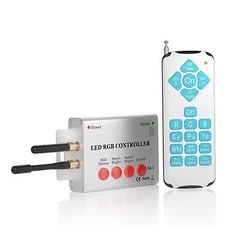
Sometimes, problems with the control system can affect the lifespan of the LED underwater lights. LED Underwater Light Control Failure, What Is Going On? If the control system isn't working properly, it can cause the lights to flicker, turn on and off at the wrong times, or receive an incorrect amount of power. All of these issues can put extra stress on the LEDs and reduce their lifespan.
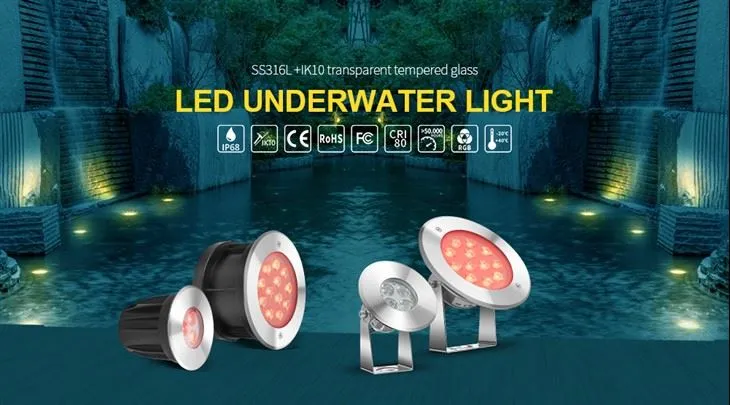
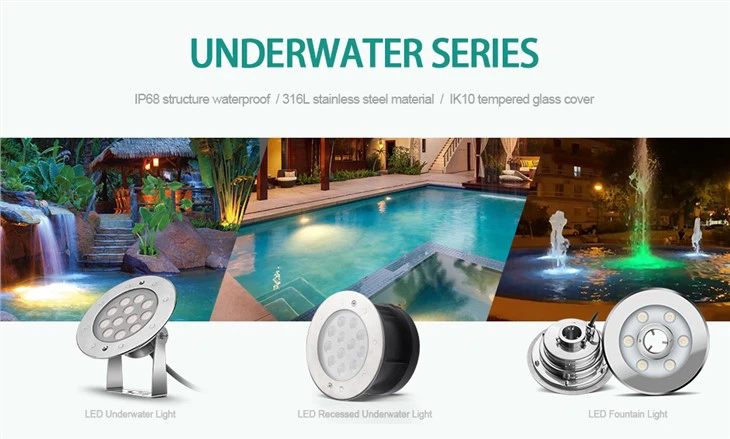
Now, you might be wondering how you can tell if your LED underwater lights are reaching the end of their lifespan. There are a few signs to look out for. One of the most obvious is a decrease in brightness. As the LEDs age, they start to lose their intensity. You might also notice a change in color. The light might start to look a bit duller or have a different hue than when it was new. Flickering or intermittent operation is another sign that something might be wrong.
If you're in the market for LED underwater lights, we've got you covered. Our company offers a wide range of high - quality LED underwater lights that are designed to last. We've taken all the factors we've discussed into account when developing our products. Our lights are made with top - of - the - line LED chips, are built to withstand harsh environments, and come with easy - to - follow installation and maintenance instructions.
Whether you're looking to add some ambiance to your backyard pool, light up a commercial aquarium, or create a stunning underwater display, our LED underwater lights are the perfect choice. And because we know how important it is to have reliable lighting, we offer a great warranty on all our products.
If you're interested in learning more about our LED underwater lights or have any questions, don't hesitate to get in touch. We're always happy to chat and help you find the right lighting solution for your needs. Just reach out to us, and we'll start the conversation about how we can make your underwater space shine.
References
- General knowledge about LED technology and underwater lighting
- Industry reports on the performance and lifespan of LED lights