






As a provider of LED pool lights, ensuring proper ventilation for these lighting fixtures is crucial for their performance, longevity, and safety. In this blog post, I'll share some insights on how to achieve proper ventilation for LED pool lights based on my experience in the industry.
Understanding the Importance of Ventilation for LED Pool Lights
LED pool lights generate heat during operation. While LEDs are generally more energy - efficient and produce less heat compared to traditional incandescent bulbs, excessive heat can still have a negative impact on their performance. High temperatures can cause the LED chips to degrade faster, reducing their brightness and color accuracy over time. Additionally, heat can also affect the electrical components within the light fixture, increasing the risk of malfunctions and even safety hazards such as short - circuits.
Proper ventilation helps to dissipate the heat generated by the LED pool lights, maintaining a stable operating temperature. This not only extends the lifespan of the lights but also ensures that they operate at their optimal performance level, providing bright and consistent illumination for your pool.
Factors Affecting Ventilation
Installation Location
The location where the LED pool lights are installed plays a significant role in ventilation. Lights installed in enclosed or tight spaces may have limited air circulation, which can lead to heat buildup. For example, if the lights are placed in a niche that is too small or has poor air exchange with the surrounding environment, the heat generated by the lights will not be able to escape effectively.
On the other hand, lights installed in open areas with good air movement will have better ventilation. For instance, if the pool lights are mounted on the side of the pool where there is a natural flow of air, the heat can be carried away more easily.
Fixture Design
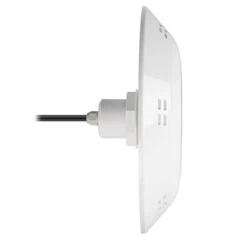
The design of the LED pool light fixture also affects ventilation. Some fixtures are designed with built - in ventilation channels or fins that help to increase the surface area for heat dissipation. These features allow air to flow through the fixture, carrying away the heat generated by the LEDs.
For example, a fixture with a finned heatsink design can effectively transfer the heat from the LED chips to the surrounding air. The fins increase the surface area in contact with the air, facilitating better heat exchange.
Pool Environment
The pool environment itself can impact ventilation. Factors such as water temperature, humidity, and air movement around the pool can all affect how well the LED pool lights are ventilated. In a warm and humid environment, the air may hold more moisture, which can reduce its ability to carry heat away from the lights.
Additionally, if there is a lot of debris or dirt in the pool area, it can block the ventilation openings of the light fixtures, reducing air circulation.
Strategies for Ensuring Proper Ventilation
Select the Right Installation Location
When installing LED pool lights, it's important to choose a location that allows for good air circulation. Avoid installing the lights in enclosed or tight spaces. If possible, select a location where there is a natural flow of air, such as near a pool pump or a ventilation duct.
For example, if you are installing the lights on the side of the pool, make sure there is enough space around the fixture for air to flow freely. You can also consider installing the lights at a higher position on the pool wall to take advantage of the natural upward movement of warm air.
Choose Well - Designed Fixtures
Invest in LED pool light fixtures that are designed with proper ventilation in mind. Look for fixtures with built - in ventilation channels, fins, or other heat - dissipation features. These fixtures are more likely to maintain a lower operating temperature and have a longer lifespan.
For instance, some high - quality LED pool lights come with a sealed but ventilated housing design. The sealed housing protects the electrical components from water damage, while the ventilation system allows heat to escape.
Keep the Pool Area Clean
Regularly clean the pool area to prevent debris and dirt from blocking the ventilation openings of the LED pool lights. Use a pool skimmer to remove leaves, twigs, and other floating debris from the surface of the pool. You can also use a pool vacuum to clean the bottom of the pool and remove any settled dirt.
In addition, make sure to clean the light fixtures themselves periodically. Use a soft cloth and a mild cleaning solution to wipe away any dirt or grime on the surface of the fixtures, including the ventilation openings.
Monitor and Maintain the Lights
Regularly monitor the temperature of the LED pool lights during operation. You can use an infrared thermometer to measure the surface temperature of the fixtures. If you notice that the lights are running hotter than normal, it may be a sign of poor ventilation.
In such cases, check the ventilation openings for blockages and make sure that the installation location is still suitable. You may also need to consider upgrading to a more ventilated fixture if the problem persists.


Our LED Pool Light Products and Ventilation Features
At our company, we offer a wide range of LED pool lights, including Pool Landscape Lighting, AC12v Swimming Pool Lights, and Led Color Changing Swimming Pool Light. All of our products are designed with proper ventilation in mind.
Our fixtures feature advanced heat - dissipation technologies, such as finned heatsinks and ventilation channels. These features ensure that the LED chips operate at a stable temperature, providing long - lasting and high - performance illumination for your pool.
We also pay close attention to the overall design of the fixtures to ensure that they are easy to install in locations with good air circulation. Our team of experts can provide you with professional advice on the best installation locations and methods to optimize ventilation for our LED pool lights.
Conclusion
Proper ventilation is essential for the performance and longevity of LED pool lights. By understanding the factors that affect ventilation and implementing the strategies outlined above, you can ensure that your LED pool lights operate at their best.
If you are interested in purchasing high - quality LED pool lights with excellent ventilation features, please feel free to contact us for more information and to discuss your specific needs. Our team is always ready to assist you in finding the perfect lighting solution for your pool.
References
- "LED Lighting Handbook" by John Doe, published by Lighting Press
- "Pool Lighting: Design and Installation Guide" by Jane Smith, published by Pool Publications