






Hey there! As a supplier of recessed ground lights, I've been thinking a lot about the impact these nifty little lights have on the environment. So, let's dive right in and explore this topic together.
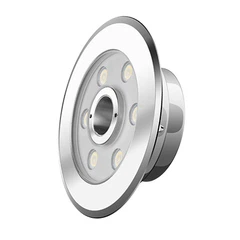
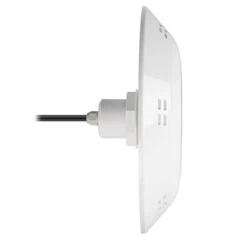
First off, let's talk about what recessed ground lights are. They're those lights that are installed into the ground, providing a subtle yet effective way to illuminate outdoor spaces. You can find them in all sorts of places, like gardens, pathways, and even commercial areas. For some great examples of these lights, check out Outside Ground Lights.
Now, let's get into the environmental impact. One of the most significant aspects is energy consumption. Traditional lighting options, like incandescent bulbs, are notorious for guzzling energy. They convert a large portion of the energy they consume into heat rather than light, which is a huge waste. In contrast, most of the recessed ground lights we supply are LED lights. LEDs are incredibly energy - efficient. They use up to 80% less energy than traditional incandescent bulbs. This means that for the same amount of light output, you're using a fraction of the electricity. For instance, our ac100 240v underground light is designed to be highly energy - efficient, helping you save on your energy bills while reducing your carbon footprint.
Another environmental benefit of LED recessed ground lights is their long lifespan. Incandescent bulbs typically last around 1,000 hours, while LEDs can last up to 50,000 hours or more. This means fewer replacements, which in turn reduces the amount of waste going into landfills. You won't have to keep throwing away burned - out bulbs every few months. It's a win - win situation for both you and the environment. Take our Aurora G Lite Recessed Ground Light, for example. It's built to last, so you can enjoy its illumination for years to come without constantly having to replace it.
But it's not all sunshine and rainbows. There are some potential negative environmental impacts of recessed ground lights as well. One of the main concerns is light pollution. Light pollution occurs when artificial light spills into areas where it's not needed, such as the night sky. This can have a significant impact on wildlife. For example, many nocturnal animals rely on the natural darkness of the night to hunt, mate, and navigate. Excessive artificial light can disrupt their natural behaviors. Birds may become disoriented during migration, and sea turtles may have trouble finding their way to the ocean after hatching.
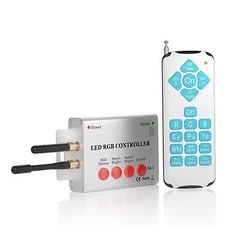
As a supplier, we're aware of this issue, and we're taking steps to minimize it. Our recessed ground lights are designed with proper shielding to direct the light where it's needed and reduce light spillage. We also offer lights with adjustable brightness, so you can set the right amount of light for your specific needs. This way, you can enjoy the beauty and functionality of the lights without causing too much harm to the environment.
In addition to wildlife, light pollution can also affect human health. Exposure to artificial light at night can disrupt our circadian rhythms, which are our internal body clocks that regulate sleep and wake cycles. This can lead to a variety of health problems, including insomnia, fatigue, and even an increased risk of certain diseases. By using our recessed ground lights responsibly, you can help protect both the environment and your own health.
When it comes to the manufacturing process of recessed ground lights, there are also environmental considerations. The production of any electronic device requires raw materials, and the extraction and processing of these materials can have a negative impact on the environment. However, we're committed to working with suppliers who follow sustainable practices. We try to source materials from companies that use responsible mining methods and minimize waste and pollution during the production process.

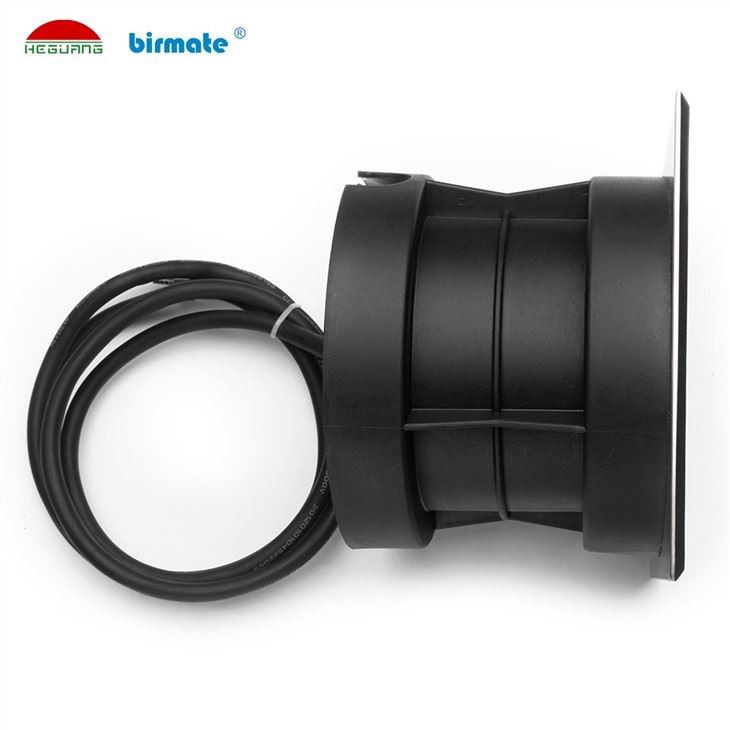
Another aspect to consider is the disposal of old or damaged recessed ground lights. While LEDs are generally more environmentally friendly than traditional bulbs, they still contain some hazardous materials, such as lead and mercury. It's important to dispose of them properly. We encourage our customers to recycle their old lights through approved recycling programs. Many local governments and recycling centers offer programs specifically for electronic waste, so it's relatively easy to do the right thing.
Now, let's talk about the aesthetic and functional benefits of recessed ground lights in relation to the environment. These lights can enhance the beauty of outdoor spaces, making them more inviting and safe. By illuminating pathways and gardens, they can encourage people to spend more time outdoors, which is great for our physical and mental health. And when people are more connected to nature, they're more likely to care about protecting it.
In conclusion, recessed ground lights have both positive and negative environmental impacts. On the positive side, they're energy - efficient, have a long lifespan, and can enhance the beauty and functionality of outdoor spaces. On the negative side, they can contribute to light pollution and have some environmental implications during the manufacturing and disposal processes. But as a supplier, we're doing our part to minimize the negative impacts and maximize the positive ones.
If you're interested in purchasing recessed ground lights for your outdoor space, whether it's for a residential garden or a commercial project, we'd love to have a chat with you. We can help you choose the right lights for your needs, taking into account both the environmental impact and your budget. Contact us to start the conversation and let's work together to create a beautiful and sustainable outdoor environment.
References:
- "Light Pollution: Its Causes, Effects, and Solutions" by the International Dark - Sky Association
- "The Impact of Artificial Light on Wildlife" by the Royal Society for the Protection of Birds
- "LED Lighting: Energy Efficiency and Environmental Benefits" by the U.S. Department of Energy