


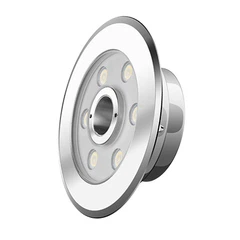


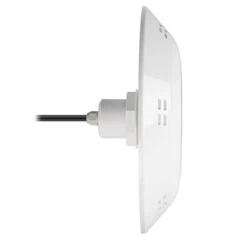


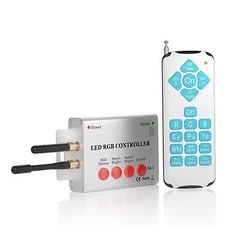
Yo, what's up! I'm a supplier of plastic lights, and today I wanna chat about how plastic lights perform in high - humidity environments. It's a topic that's super relevant, especially when you think about places like swimming pools, bathrooms, or coastal areas where humidity levels are through the roof.
First off, let's talk about what plastic lights are. Plastic lights are basically lighting fixtures that use plastic as a major part of their construction. They're popular for a bunch of reasons. They're lightweight, which makes them easy to install. They're also relatively cheap compared to some other materials, and they can be molded into all sorts of cool shapes and designs.
Now, when it comes to high - humidity environments, there are a few things that can happen to plastic lights. One of the main concerns is moisture ingress. You see, high humidity means there's a lot of water vapor in the air. If the plastic light isn't properly sealed, this water vapor can seep into the fixture. And once that happens, it can cause all kinds of problems.
For example, moisture can damage the electrical components inside the light. If water gets into the wiring, it can cause short - circuits, which not only mean the light might stop working but can also be a safety hazard. Corrosion is another big issue. Metal parts inside the light, like screws or connectors, can start to rust when exposed to moisture for long periods. This can weaken the structure of the light and eventually lead to it falling apart.
But hey, not all plastic lights are created equal. Some plastic lights are specifically designed to handle high - humidity environments. These lights usually have a high IP (Ingress Protection) rating. The IP rating tells you how well the light is protected against dust and water. For example, an IP67 rating means the light is completely dust - tight and can be submerged in water up to a certain depth for a limited time.
If you're looking for plastic lights for a high - humidity area like a swimming pool, you might want to check out 12v swimming pool with led lights. These lights are built to withstand the wet conditions of a pool. They're usually made with high - quality plastics that are resistant to water and chemicals.
When it comes to choosing a plastic light for a high - humidity environment, there are a few things you should look for. First, as I mentioned, check the IP rating. A higher IP rating means better protection. Also, look at the type of plastic used. Some plastics are more resistant to moisture and UV rays than others. For instance, polycarbonate is a popular choice for outdoor and high - humidity applications because it's strong, durable, and has good weather resistance.
Another factor to consider is the design of the light. A well - designed plastic light will have proper drainage channels to let any water that does get inside escape. It will also have seals around the edges to prevent water from seeping in.

Now, let's talk about some real - world scenarios. I've had customers who've installed plastic lights in their bathrooms. Bathrooms are a high - humidity environment because of all the steam from showers and baths. In some cases, if the lights weren't properly installed or didn't have a high enough IP rating, they started to malfunction after a few months. The moisture caused the bulbs to burn out faster, and the electrical components started to corrode.
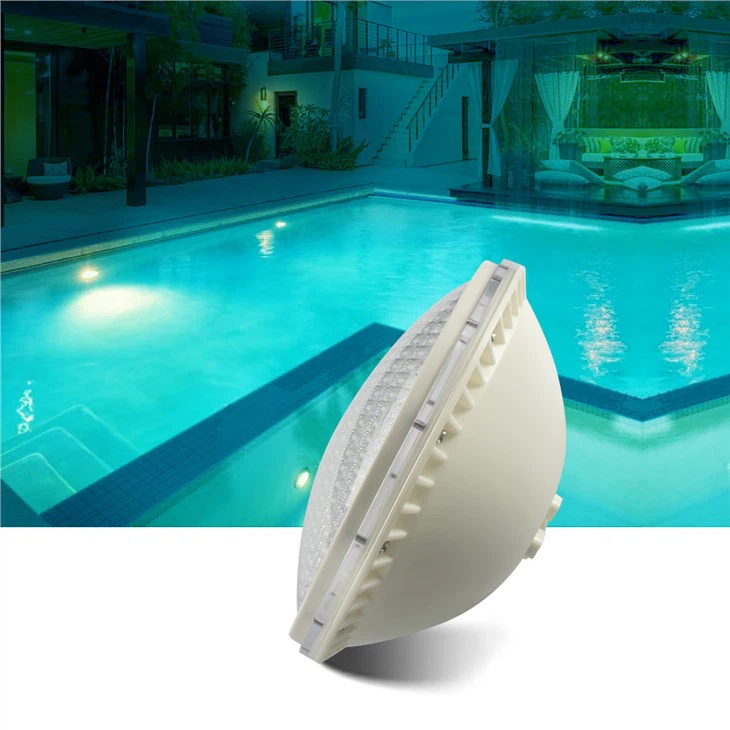
On the other hand, I've also had customers who installed our high - quality plastic lights in their swimming pools. These lights have been performing great for years. They've withstood the constant exposure to water, chemicals, and sunlight without any major issues. That's why I always recommend going for a reliable Pool Lighting Company when you're looking for plastic lights for high - humidity areas.
The performance of plastic lights in high - humidity environments also depends on how well you maintain them. Regular cleaning is important. You should remove any dirt or debris that might block the drainage channels or damage the seals. If you notice any signs of moisture inside the light, like condensation on the lens, you should take action right away. It could be a sign that the seal is broken, and you might need to replace it.
If you're in the market for the best plastic lights for your pool, you might want to check out Best Led Lights For Pool. LED lights are a great choice for high - humidity environments because they're energy - efficient, long - lasting, and produce less heat. Less heat means there's less chance of the plastic warping or melting in the high - humidity conditions.

In conclusion, plastic lights can perform well in high - humidity environments if they're properly designed, installed, and maintained. When you're choosing plastic lights for a high - humidity area, make sure to look at the IP rating, the type of plastic used, and the design of the light. And don't forget about maintenance! If you take good care of your plastic lights, they'll serve you well for a long time.
If you're interested in purchasing plastic lights for your high - humidity project, whether it's a swimming pool, bathroom, or any other area, feel free to reach out. I'm here to help you find the right lights for your needs. Just drop me a message, and we can start discussing your requirements. Let's work together to light up your space in the best way possible!
References

- "Lighting Fixtures in Moist Environments: A Guide", Lighting Research Institute
- "Plastic Materials and Their Performance in Outdoor Conditions", Polymer Science Journal