


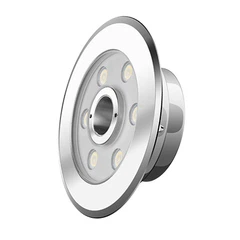


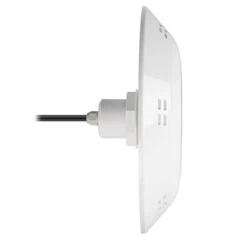


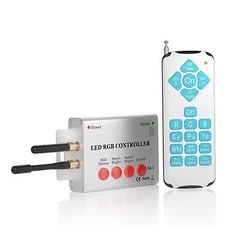
Alright, folks! As a supplier of Fountain Lights, I've seen firsthand how these dazzling lights can transform an ordinary water feature into a magical oasis. But here's the deal: safety should always be our top priority when using fountain lights in water. In this blog, I'm gonna share some crucial tips to make sure you can enjoy these beautiful lights without any worries.
Understanding the Basics: Waterproof Ratings
First things first, you gotta know about waterproof ratings. These ratings are like a secret code that tells you how well a light can handle water. You'll usually see an IP (Ingress Protection) rating on the product. The IP rating consists of two numbers. The first number shows how protected the light is against solid objects like dust, while the second number indicates its protection against water.
For fountain lights, you want a high rating for water protection. An IP68 rating is ideal. This means the light is completely dust - tight and can be continuously submerged in water under specified conditions. When you're looking at our LED Pool Fountain Lights, you can trust that they come with a proper waterproof rating, so you can be confident they'll work safely underwater.
Electrical Safety Precautions
Electrical safety is super important, especially when dealing with water and electricity together. Always use a Ground Fault Circuit Interrupter (GFCI). A GFCI is like a little hero that can quickly cut off the power if it detects an electrical fault. This helps prevent electric shocks.
Before installing any fountain lights, make sure the power source is turned off. And don't take shortcuts with the wiring. Use only the cables and connectors that are specifically designed for underwater use. These are usually well - insulated and can withstand the moisture.
When it comes to our Lumineo Grey Led Rattan Fountain, we've got all the necessary electrical safety features built - in. But it's still up to you to follow the proper installation procedures.
Installation Best Practices
Proper installation is key to ensuring the safety of your fountain lights. First, read the installation instructions carefully. These instructions are there for a reason, and they'll guide you through the process step by step.
Make sure the lights are securely mounted. They should be in a position where they won't get knocked around easily. If the lights are not firmly attached, they could move around in the water, causing damage to the wiring or potentially creating a hazard.
Also, consider the water depth. Different lights are designed for different water depths. Some lights work well in shallow water, while others are meant for deeper pools or fountains. Our lights are designed to work within specific water depth ranges, so make sure to choose the right ones for your water feature.
Regular Maintenance and Inspections
Just like you take your car in for regular check - ups, your fountain lights need some TLC too. Regular maintenance and inspections can help catch any potential problems before they turn into big issues.
Inspect the lights for any signs of damage, such as cracks in the housing or frayed wires. If you notice any damage, stop using the light immediately. It's better to be safe than sorry.
Clean the lights regularly. Algae and other debris can build up on the lights over time, which can affect their performance and potentially cause overheating. You can use a soft brush and some mild detergent to clean the lights, but make sure to follow the manufacturer's cleaning instructions.
Water Quality Considerations
The quality of the water in your fountain or pool can also impact the safety and longevity of your lights. Hard water, which contains a high level of minerals, can cause mineral deposits to form on the lights. These deposits can not only make the lights look dull but can also affect their heat dissipation.
If you have hard water, you might want to consider using a water softener or treating the water regularly to reduce the mineral content. Also, avoid using harsh chemicals in the water that could damage the lights. Our Color Changing Fountain Lights are built to withstand normal water conditions, but extreme water quality can still pose a risk.
Training and Education for Users
If you have a team of people responsible for maintaining or operating the fountain lights, make sure they are properly trained. They should know how to handle the lights safely, including installation, maintenance, and what to do in case of an emergency.
Training can also help users understand the specific features and limitations of the fountain lights. This knowledge can go a long way in preventing accidents and ensuring the lights are used to their full potential.
Overheating and Ventilation
Some fountain lights can generate heat during operation. While our lights are designed to dissipate heat effectively, it's still important to make sure there is proper ventilation. If the lights are enclosed in a tight space or there is no way for the heat to escape, it can lead to overheating.
Make sure the installation area allows for proper air circulation around the lights. This will help keep the temperature in check and reduce the risk of damage to the lights or any associated electrical components.
Seasonal Care
If you live in an area with cold winters, you need to take special care of your fountain lights. Freezing temperatures can damage the lights and the wiring. Before the first frost, it's a good idea to remove the lights from the water and store them in a dry, warm place.
When the warmer weather returns, inspect the lights carefully before reinstalling them. Check for any signs of damage that may have occurred during storage.
Protecting Against Vandalism and Theft
In some public or semi - public areas, there is a risk of vandalism or theft of the fountain lights. To protect your investment, consider installing security measures such as fences, cameras, or alarms.
You can also choose lights that are less likely to be targeted. Some of our more discreet and well - integrated lights are harder to spot and remove, which can act as a deterrent to potential thieves or vandals.


Conclusion
Well, there you have it, folks! These are some of the key things you need to do to ensure the safety of using fountain lights in water. By following these tips, you can create a beautiful and safe water feature that will be the envy of your neighbors.
If you're interested in purchasing high - quality, safe fountain lights, we'd love to talk to you. Whether you're a homeowner looking to spruce up your backyard pool or a commercial property owner in need of a large - scale water feature, we've got the right lights for you. Reach out to us for more information and let's start a conversation about how we can bring your water feature to life.
References
- National Electrical Code (NEC) - for electrical safety standards
- Various lighting industry guidelines on underwater lighting safety
- Manufacturer's installation and maintenance manuals for fountain lights