


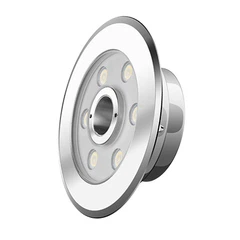


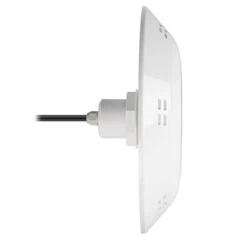


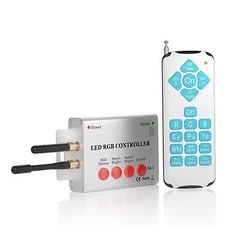
Maintaining swimming pool LED lights is crucial for both the aesthetic appeal and functionality of your pool area. As a swimming pool LED supplier, I've seen firsthand the importance of proper maintenance to ensure these lights last longer and perform at their best. In this blog, I'll share some valuable tips on how to maintain your swimming pool LED lights effectively.
Understanding Your Swimming Pool LED Lights
Before diving into maintenance, it's essential to understand the different types of swimming pool LED lights available. For instance, 6500k swimming pool led offers a bright, white light similar to natural daylight, which can enhance the visibility in and around the pool. On the other hand, Low Voltage LED Pool Light is a safer option, reducing the risk of electrical shock, especially in a wet environment like a pool. And if you're looking to add some color and fun to your pool, 12V Led Color Lights For Pool are a great choice, allowing you to create various lighting effects.
Regular Cleaning
One of the most basic yet important maintenance tasks is regular cleaning. Over time, dirt, debris, and algae can accumulate on the surface of the LED lights, reducing their brightness and overall performance. To clean the lights, first, turn off the power supply to ensure your safety. Then, use a soft cloth or a non - abrasive sponge to gently wipe the surface of the lights. For stubborn stains, you can use a mild detergent mixed with water. Avoid using harsh chemicals or abrasive cleaners as they can damage the protective coating of the lights.
If the lights are installed underwater, you may need to drain a small amount of water from the pool to access them safely. After cleaning, rinse the lights thoroughly with clean water to remove any detergent residue. Make sure the lights are completely dry before turning the power back on.
Inspecting for Damage
Regular inspections are vital to catch any potential issues early. Check the housing of the LED lights for cracks, chips, or signs of wear and tear. A damaged housing can allow water to seep in, which can short - circuit the lights and pose a safety hazard. If you notice any damage, it's important to replace the housing immediately.
Inspect the wiring as well. Look for frayed wires, loose connections, or signs of corrosion. Corroded wires can cause electrical problems and reduce the lifespan of the lights. If you find any issues with the wiring, it's best to consult a professional electrician to make the necessary repairs.
Checking the Water Chemistry
The chemical balance of the pool water can have a significant impact on the lifespan of your LED lights. High levels of chlorine, bromine, or other chemicals can corrode the metal parts of the lights and damage the internal components. Test the pool water regularly to ensure the pH level is between 7.2 and 7.8 and the chlorine level is within the recommended range.


If the water chemistry is off, adjust it accordingly. You can use chemicals specifically designed to balance the pool water. By maintaining proper water chemistry, you can prevent corrosion and extend the life of your swimming pool LED lights.
Replacing Bulbs and Components
Even the highest - quality LED lights will eventually need their bulbs or components replaced. LED bulbs generally have a long lifespan, but they will dim over time. When you notice a significant decrease in brightness, it's time to replace the bulbs.
Most swimming pool LED lights are designed to be easily replaceable. Refer to the manufacturer's instructions for the correct replacement procedure. Make sure to use bulbs that are compatible with your specific light model.
In addition to bulbs, other components such as the driver or the transformer may also need replacement. If you experience issues like flickering lights or the lights not turning on at all, it could be a sign of a faulty component. In such cases, it's advisable to contact the manufacturer or a professional technician for assistance.
Protecting Against Extreme Temperatures
Extreme temperatures can affect the performance and lifespan of swimming pool LED lights. In cold weather, the plastic parts of the lights can become brittle and crack. To protect the lights during the winter, you can cover the pool with a pool cover. This will not only protect the lights from the cold but also prevent debris from falling into the pool.
In hot weather, high temperatures can cause the lights to overheat. Make sure the ventilation around the lights is adequate. If the lights are installed in an enclosed area, consider adding a fan or improving the ventilation system to keep the lights cool.
Professional Maintenance
While you can perform many maintenance tasks on your own, it's also a good idea to schedule professional maintenance at least once a year. A professional technician has the expertise and tools to conduct a thorough inspection of your swimming pool LED lights. They can identify potential issues that you may miss and perform complex repairs or replacements.
Professional maintenance can also ensure that your lights are up to code and meet all safety standards. This can give you peace of mind knowing that your pool lighting system is safe and reliable.
Conclusion
Maintaining your swimming pool LED lights is essential for their longevity and performance. By following these tips, you can keep your lights shining bright and enhance the beauty and safety of your pool area. Whether you have 6500k swimming pool led, Low Voltage LED Pool Light, or 12V Led Color Lights For Pool, proper maintenance will ensure they serve you well for years to come.
If you're in the market for high - quality swimming pool LED lights or need more information on maintenance, don't hesitate to contact us. We're here to help you find the perfect lighting solution for your pool and provide you with the support you need to keep them in top condition.
References
- "Swimming Pool Lighting: A Guide to Installation and Maintenance" by Pool & Spa News
- Manufacturer's manuals for various swimming pool LED lights
- Industry best practices for pool lighting maintenance