


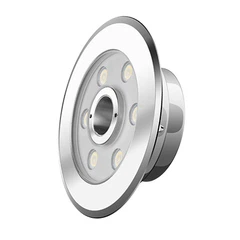


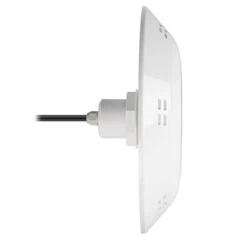


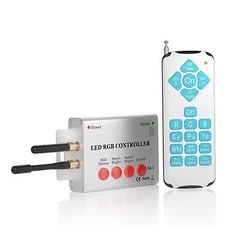
Color stability is a crucial factor when it comes to plastic lights, especially in applications where consistent and reliable lighting is required. As a plastic light supplier, I understand the importance of color stability and its impact on the overall performance and aesthetics of our products. In this blog post, I will delve into what color stability means for plastic lights, the factors that affect it, and how we ensure high - quality color stability in our offerings.
Understanding Color Stability in Plastic Lights
Color stability refers to the ability of a plastic light to maintain its intended color over time and under various environmental conditions. When we talk about plastic lights, we are often dealing with products such as those used in 12v swimming pool with led lights, decorative lighting, and signage. These lights need to project a specific color accurately and consistently to meet the design requirements and user expectations.


The color of a plastic light is determined by several factors, including the type of light source (such as LEDs), the pigments or dyes used in the plastic, and the manufacturing process. A light with good color stability will not fade, shift, or change hue significantly, even after long - term use, exposure to light, heat, or chemicals.
Factors Affecting Color Stability
1. Light Source
The light source is the primary determinant of the initial color of a plastic light. LEDs are commonly used in plastic lights due to their energy efficiency, long lifespan, and the ability to produce a wide range of colors. However, the quality of LEDs can vary significantly. Lower - quality LEDs may experience color shift over time, which can be caused by factors such as the degradation of the phosphor coating, changes in the semiconductor material, or variations in the electrical current.
To ensure color stability, we carefully select high - quality LEDs from reputable manufacturers. We also conduct extensive testing on the LEDs to verify their color accuracy and stability before incorporating them into our plastic lights.
2. Pigments and Dyes
Pigments and dyes are used to color the plastic material in which the light source is housed. The quality and type of pigments and dyes can have a significant impact on color stability. Some pigments are more prone to fading when exposed to ultraviolet (UV) light, heat, or moisture. For example, organic pigments may degrade more quickly than inorganic pigments under certain conditions.
We use high - quality, UV - resistant pigments and dyes in our plastic lights. These pigments are specifically formulated to withstand the harsh environmental conditions that plastic lights may encounter, such as direct sunlight, high humidity, and temperature fluctuations.
3. Manufacturing Process
The manufacturing process also plays a crucial role in color stability. Improper mixing of pigments and plastic resin can result in uneven color distribution, which may lead to color variations in the final product. Additionally, the molding and extrusion processes can affect the color of the plastic. High temperatures during these processes can cause the pigments to degrade or change color.
At our company, we have a well - controlled manufacturing process. We use advanced mixing equipment to ensure uniform distribution of pigments in the plastic resin. We also carefully monitor the temperature and other process parameters during molding and extrusion to prevent any negative impact on color stability.
4. Environmental Conditions
Environmental conditions such as temperature, humidity, and exposure to chemicals can all affect the color stability of plastic lights. High temperatures can accelerate the degradation of pigments and the light source, while high humidity can cause moisture absorption, which may lead to color changes or corrosion. Exposure to chemicals, such as cleaning agents or pollutants, can also have a detrimental effect on the color of plastic lights.
Our plastic lights are designed to be resistant to a wide range of environmental conditions. We conduct environmental testing on our products to ensure that they can maintain their color stability in different settings. For example, we test our Best Led Lights For Pool in simulated pool environments to ensure that they can withstand the chlorine, salt, and other chemicals present in pool water.
How We Ensure Color Stability in Our Plastic Lights
1. Quality Control
We have a strict quality control system in place throughout the production process. From the selection of raw materials to the final inspection of the finished products, every step is carefully monitored to ensure color stability. We use color measurement devices to accurately measure and control the color of our plastic lights. These devices can detect even the slightest color variations, allowing us to make adjustments as needed.
2. Research and Development
We invest heavily in research and development to continuously improve the color stability of our plastic lights. Our R & D team is constantly exploring new materials, pigments, and manufacturing techniques to enhance the performance of our products. We also collaborate with leading research institutions and industry experts to stay updated on the latest advancements in color stability technology.
3. Customer Feedback
We value customer feedback and use it as an important source of information for improving our products. If a customer reports any issues with color stability, we conduct a thorough investigation to identify the root cause and take appropriate measures to address the problem. This feedback - driven approach helps us to continuously refine our products and ensure high - level color stability.
Importance of Color Stability in Different Applications
1. Pool Lighting
In ac12v rgb led pool light applications, color stability is of utmost importance. Pool lights are often used to create a beautiful and inviting atmosphere, and any color shift or fading can significantly affect the overall aesthetic appeal. Moreover, pool lights are exposed to water, chemicals, and sunlight, which can pose challenges to color stability. Our plastic pool lights are designed to maintain their vibrant colors even in these harsh conditions, providing a long - lasting and visually appealing lighting solution for pools.
2. Decorative Lighting
Decorative lighting is used to enhance the ambiance of indoor and outdoor spaces. Color stability is essential in decorative lighting to ensure that the intended color scheme is maintained over time. Whether it's for a commercial establishment or a residential property, our plastic lights with excellent color stability can create a consistent and attractive lighting effect.
3. Signage
In signage applications, color stability is crucial for brand recognition and visual communication. A sign with faded or inconsistent colors can be less effective in attracting attention and conveying the intended message. Our plastic lights for signage are engineered to provide long - term color stability, ensuring that the signs remain bright and vivid.
Conclusion
Color stability is a vital characteristic of plastic lights, and it is influenced by multiple factors, including the light source, pigments, manufacturing process, and environmental conditions. As a plastic light supplier, we are committed to providing high - quality products with excellent color stability. Through strict quality control, continuous research and development, and a focus on customer feedback, we ensure that our plastic lights can meet the diverse needs of our customers in various applications.
If you are in the market for plastic lights with outstanding color stability, we invite you to contact us for a detailed discussion about your requirements. Our team of experts is ready to assist you in finding the perfect lighting solution for your project. We look forward to the opportunity to work with you and provide you with top - notch plastic lights that will exceed your expectations.
References
- Smith, J. (2020). "The Science of Color in Lighting". Lighting Technology Journal, Vol. 15, Issue 2.
- Johnson, A. (2021). "Factors Affecting the Color Stability of Plastic Materials". Plastic Engineering Review, Vol. 22, Issue 3.
- Brown, C. (2022). "Advances in LED Lighting Color Stability". LED Technology Today, Vol. 18, Issue 4.