


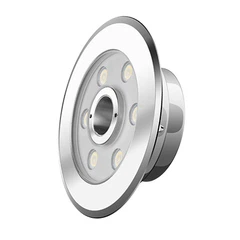




Hey there! As a supplier of underwater lights, I often get asked about the heat output of these nifty devices. It's a crucial aspect, especially when you're thinking about installing them in your pool, aquarium, or any underwater setting. So, let's dive right in and explore what the heat output of underwater lights is all about.
First off, why does the heat output matter? Well, excessive heat can cause a bunch of problems. In a pool, it might affect the water temperature, which could be a big no - no if you're aiming for a cool and refreshing swim. In an aquarium, it can stress out the fish and other aquatic life, throwing off the delicate balance of the ecosystem. Also, too much heat can reduce the lifespan of the light itself, leading to more frequent replacements and higher costs in the long run.
Now, the heat output of underwater lights mainly depends on the type of lighting technology used. There are three common types: incandescent, halogen, and LED.
Let's start with incandescent underwater lights. These are the old - school ones. They work by passing an electric current through a filament, which heats up until it glows. The problem is, a large portion of the energy they consume is converted into heat rather than light. In fact, up to 90% of the energy in an incandescent bulb goes towards generating heat. This makes them incredibly inefficient and a major source of heat in an underwater environment. If you've got a small pool or aquarium, using an incandescent underwater light could quickly raise the water temperature. And let's not forget about the short lifespan. The high heat also causes the filament to degrade faster, meaning you'll be replacing these bulbs more often.
Halogen underwater lights are an improvement over incandescent ones, but they still produce a fair amount of heat. Halogen bulbs are a type of incandescent bulb, but they have a halogen gas inside the bulb that helps to recycle the evaporated tungsten from the filament. This makes them a bit more efficient and gives them a longer lifespan. However, they still generate a significant amount of heat. The heat output can vary depending on the wattage of the bulb, but generally, they're not the best option if you're worried about heat in your underwater setup.
Then we have LED underwater lights. These are the real game - changers when it comes to heat output. LEDs, or light - emitting diodes, are semiconductor devices that convert electricity directly into light. They are extremely energy - efficient, with a much higher percentage of the energy being used to produce light rather than heat. Most LED underwater lights convert around 80 - 90% of the energy into light, leaving only 10 - 20% as heat. This means that they run much cooler than incandescent or halogen lights.
Another advantage of LED underwater lights in terms of heat is that they can be designed with heat - sinking technology. Heat sinks are components that help to dissipate the heat away from the LED chips. They work by increasing the surface area through which the heat can be transferred to the surrounding water. This keeps the temperature of the LED chips down, ensuring that they operate at an optimal level and have a longer lifespan.
The heat output of an LED underwater light also depends on its wattage. Higher - wattage LEDs will generally produce more heat, but even then, it's significantly less compared to incandescent or halogen lights of the same brightness. For example, a 50 - watt LED underwater light might produce only a fraction of the heat that a 50 - watt incandescent light would.
Now, you might be wondering about the impact of the heat output on the surrounding environment. In a pool, the heat from an underwater light can be a concern, especially if you have a small pool or if you're using multiple lights. However, with LED lights, the heat is usually not a major issue. The water in the pool acts as a natural coolant, absorbing the heat and dissipating it. As long as you choose the right wattage and number of lights for your pool size, you shouldn't notice a significant increase in water temperature.
In an aquarium, the situation is a bit more delicate. Aquatic life is very sensitive to changes in water temperature. A sudden increase in temperature can stress the fish and other organisms, making them more susceptible to diseases. That's why LED underwater lights are a great choice for aquariums. Their low heat output means that they won't disrupt the temperature balance in the tank.
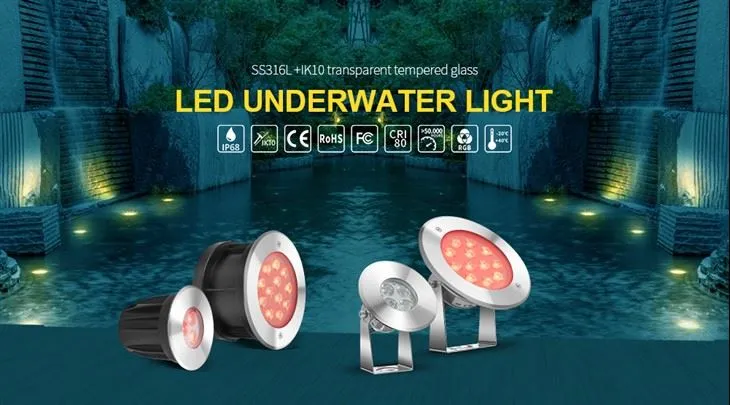

If you're interested in learning more about underwater lights, you might want to check out these articles: What Color Underwater Light Is Best, Why Does The LED Underwater Light Suddenly Turn Off?, and LED Underwater Light Control Failure, What Is Going On?.
As a supplier of underwater lights, I can attest to the benefits of LED technology. Not only do they offer low heat output, but they also come in a wide range of colors and styles, allowing you to create a unique and beautiful underwater lighting effect. Whether you're looking to add some ambiance to your pool party or create a stunning display in your aquarium, LED underwater lights are the way to go.
If you're in the market for underwater lights, I'd love to have a chat with you. We can discuss your specific needs, whether it's for a residential pool, a commercial aquarium, or any other underwater application. I can help you choose the right lights with the appropriate heat output for your setup. So, don't hesitate to reach out and start a conversation about your underwater lighting project.
References:
- General knowledge about lighting technology and its heat characteristics from industry experience.
- Studies on the energy efficiency and heat output of different types of light bulbs.